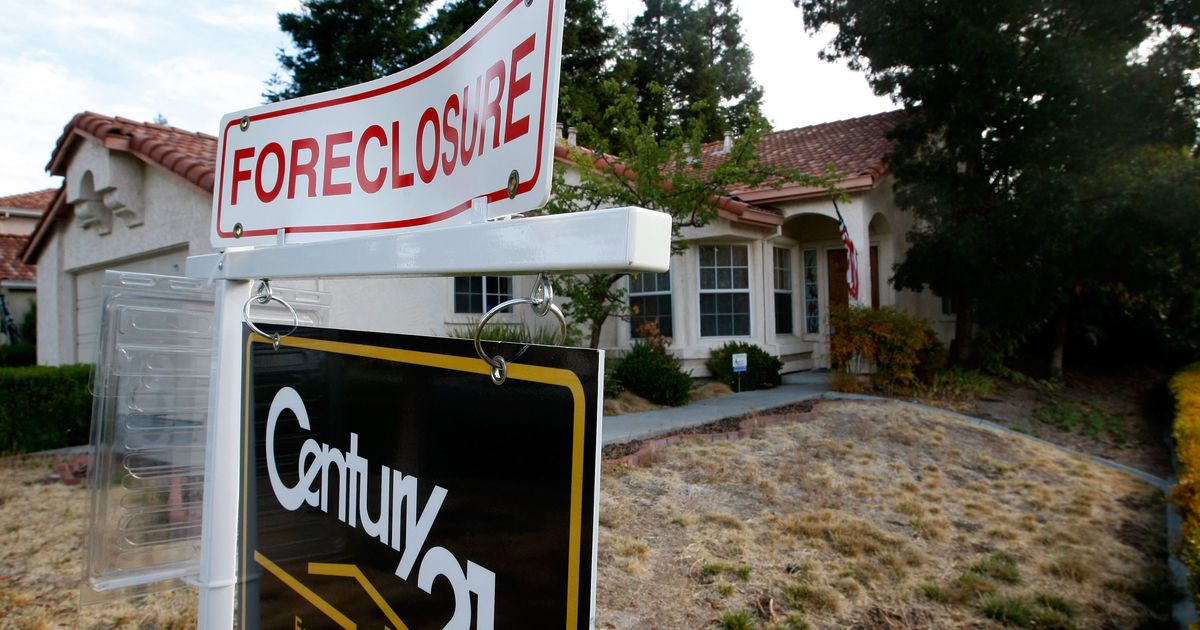
Florida recorded more foreclosure filings than any other state in the country during the first half of 2026, according to a new report from property data firm ATTOM.
The report found Florida logged the highest average annual foreclosure filings per ZIP code in the nation, at 4,871, ahead of New Jersey, Delaware, Nevada and South Carolina. In Central Florida, Osceola County ranked among the top four counties statewide for foreclosure activity.
Nationally, foreclosure filings rose 21% in the first half of 2026 compared with the same period last year, with more than 39,000 properties receiving default notices, scheduled auctions or bank repossessions. ATTOM’s data shows foreclosure filings have climbed 71% since 2020.
Real estate professionals point to a mix of factors driving the increase, including the overall cost of living, rising homeowners insurance premiums, HOA fees, property taxes and lingering effects from the COVID-19 pandemic.
Central Florida real estate agent Ali Partovi said the added costs are hitting homeowners who were already stretched thin. Rising insurance and tax bills factor directly into monthly mortgage payments, he said, leaving little room for borrowers who were near the edge of what they could afford.
Chris Atwell, president and board chairman of the Orlando Regional Realtor Association, said part of the increase reflects a delayed reckoning from the pandemic, when many foreclosure proceedings were put on hold. He said the current wave includes homeowners who have struggled financially for years and are now facing the consequences. Atwell added that broader economic uncertainty tends to ripple through the housing market, often contributing to increases in foreclosures.
Partovi said loss of income remains the most common reason homeowners fall behind on payments, though illness and divorce can also play a role.
Experts encourage homeowners at risk of foreclosure to act quickly rather than avoid the issue, noting that lenders often have options to restructure loans or add missed payments to the end of a mortgage term. They also recommend that prospective buyers ensure they can comfortably afford monthly payments before purchasing, and that current homeowners maintain roughly six months of housing expenses in reserve.
Follow the St. Pete-Clearwater Sun on Facebook, Google, & X
St. Pete-Clearwater Sun: local St. Pete-Clearwater & Tampa Bay, FL news at PIE-Sun.com

Leave a Reply