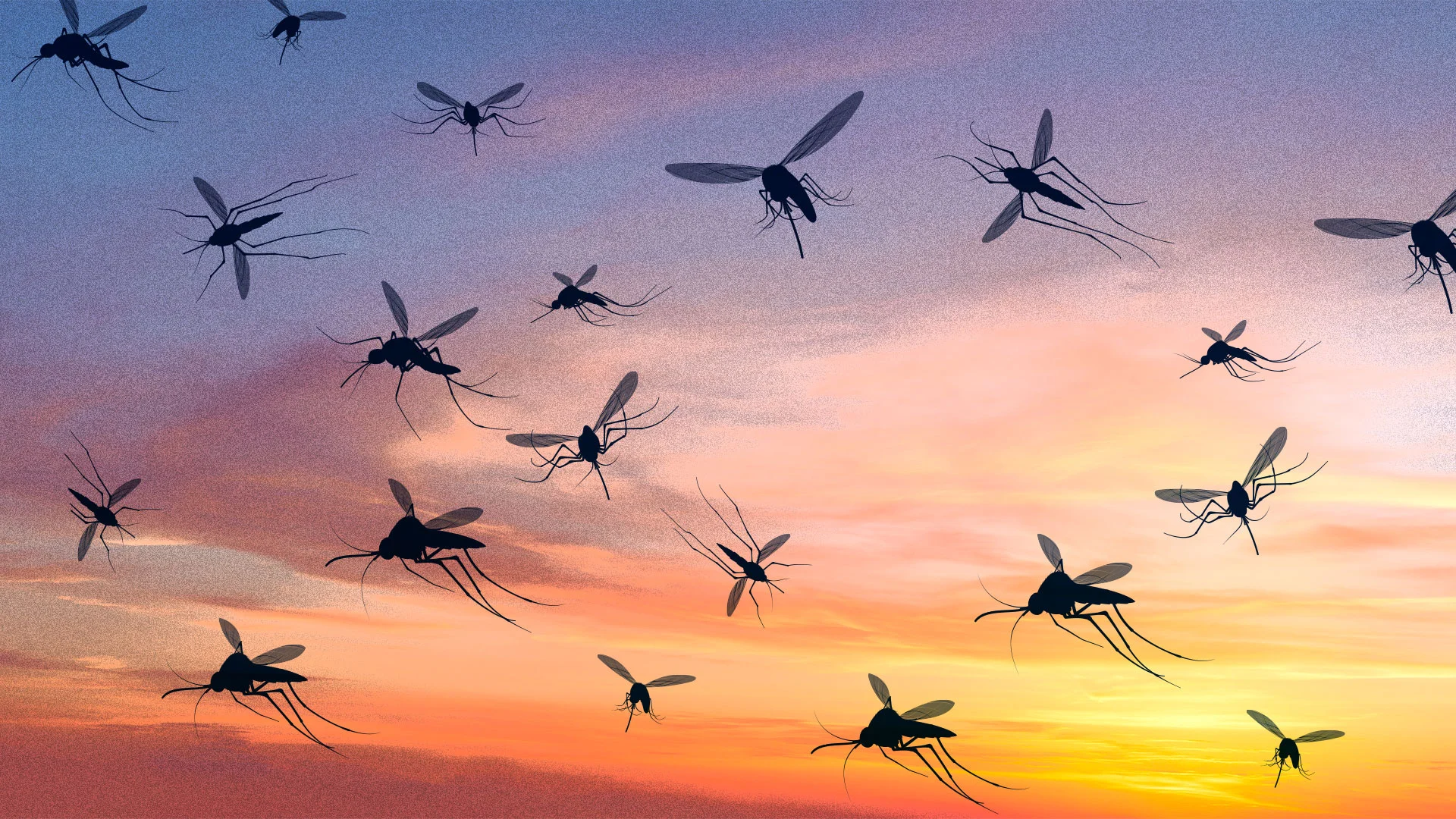
Google is asking federal regulators for permission to release up to 32 million mosquitoes in Florida and California as part of an effort to reduce populations of the insects that spread dangerous diseases.
The initiative, called the “Debug” program, involves releasing sterile male mosquitoes carrying a naturally occurring bacterium called Wolbachia, which prevents them from producing offspring with wild females. Because only female mosquitoes bite, the released insects pose no direct risk to humans. Over time, the theory goes, the targeted mosquito population would decline significantly.
The program focuses on Aedes aegypti, a species responsible for spreading dengue fever, Zika, and chikungunya — illnesses that affect hundreds of millions of people annually. The Centers for Disease Control and Prevention identifies mosquitoes as the deadliest animals on Earth.
According to a notice in the Federal Register, the Environmental Protection Agency is reviewing Google’s applications for Experimental Use Permits under the Federal Insecticide, Fungicide and Rodenticide Act. The proposal calls for up to 16 million mosquitoes to be released in Florida in the first year, followed by another 16 million in California in the second year.
Google says the approach uses no chemicals, toxins, or genetic modification and is an extension of the Sterile Insect Technique, which has been used in pest control for decades. The company says it applies data analytics, sensors, and automation to scale the effort.
Members of the public can comment on the proposal by visiting regulations.gov and searching docket number EPA-HQ-OPP-2025-3951.
Follow the St. Pete-Clearwater Sun on Facebook, Google, & X
St. Pete-Clearwater Sun: local St. Pete-Clearwater news at PIE-Sun.com



Leave a Reply