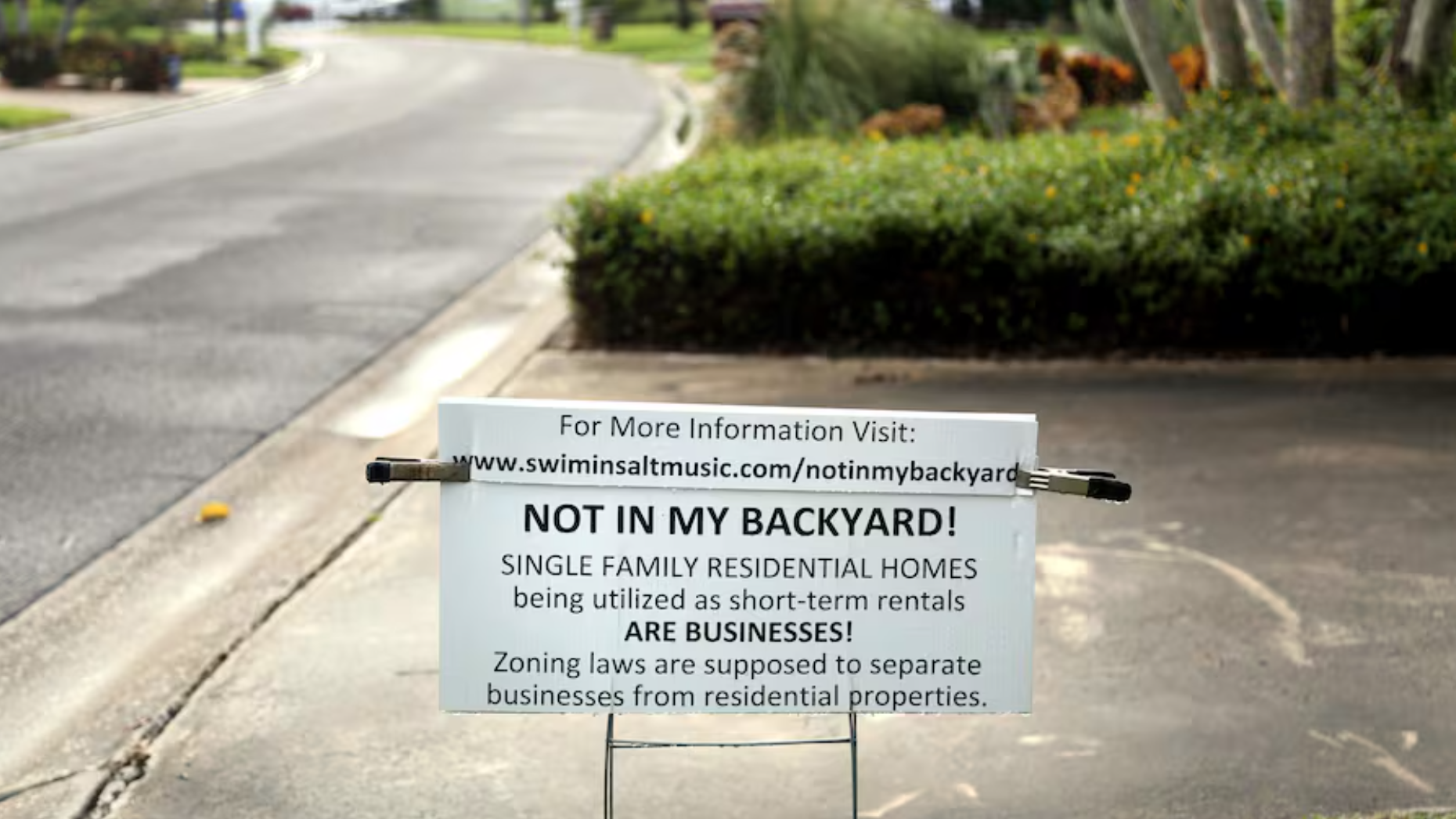
Pinellas County, Florida, continues to refine its approach to short-term rentals in unincorporated areas. Officials seek to balance tourism benefits with neighborhood stability. The primary development centers on a comprehensive ordinance adopted in March 2025. This measure introduced structured regulation for properties rented for less than 30 days more than three times per year.
The Pinellas County Commission unanimously approved the ordinance on March 25, 2025. Commissioners responded to resident concerns about noise, occupancy, and property maintenance. The rules promote owner accountability, guest safety, and a high quality of life in residential areas. County Chair Brian Scott emphasized the ordinance’s focus on enforcement and data collection for future adjustments.
Key requirements under the ordinance include a mandatory Certificate of Use. Owners must obtain this permit for each qualifying property. The certificate costs $450 annually, with the initial year split into two payments. Certificates are nontransferable; new owners must apply within 30 days of purchase. Applications began March 31, 2025, with phased deadlines based on ZIP codes. These deadlines extended into late 2025 to allow compliance time.
Maximum occupancy stands at 10 people. The limit allows two guests per bedroom plus two in common areas. Bedrooms must meet Florida Building Code standards, including exterior wall placement, closets, doors, and emergency egress. Properties undergo inspections every two years to verify safety compliance with building and fire prevention codes.
Quiet hours run from 10 p.m. to 9 a.m. Operators must display a notice inside the property near the main entrance. This notice outlines rules, including occupancy limits and emergency contacts. Parking regulations apply to prevent street congestion. Advertising must include the Certificate of Use number. A sexual predator notification requirement aligns with state law.
Enforcement relies on increased code compliance staff. Violations trigger citations, fines, or certificate revocation. The county established a complaint hotline for noise and other issues. Data from registrations and inspections will inform potential refinements.
The program has seen operational updates. Authorities streamlined the application process by reducing required documents. Renewals emphasize egress window safety. Extended deadlines accommodated owners. As of early 2026, the Certificate of Use program remains active and streamlined.
These regulations apply solely to unincorporated Pinellas County areas. Incorporated cities maintain separate rules. For instance, St. Petersburg restricts short-term rentals in residential zones to three per year. Clearwater prohibits them in residential districts for periods under 31 days.
Resident complaints persist in some neighborhoods. Reports of disruptions prompted discussions on noise ordinance updates in September 2025. Officials considered adjustments to address short-term rental impacts. No major countywide changes emerged from those talks by early 2026.
The ordinance reflects broader Florida trends. State law permits local regulation of short-term rentals following 2014 changes. Pinellas County’s approach avoids outright bans while imposing accountability measures. Tourism remains vital to the region. Officials aim to mitigate negative effects without stifling economic contributions.
Property owners should consult the official Pinellas County website for current details. Compliance ensures smooth operations and avoids penalties. Residents with concerns can use established reporting channels. The framework continues to evolve based on enforcement outcomes and community feedback.
Follow the St. Pete-Clearwater Sun on Facebook, Google, & X
St. Pete-Clearwater Sun: local St. Pete-Clearwater news at PIE-Sun.com


Leave a Reply