
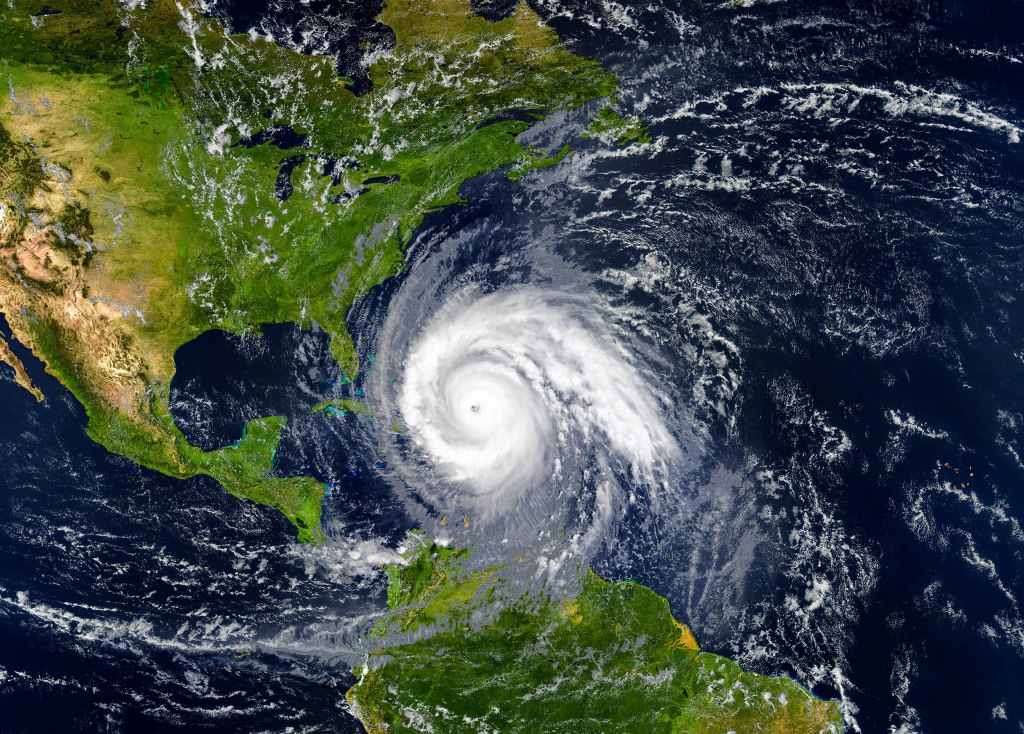
For decades, the Saffir-Simpson scale has ranked hurricanes only by wind speed, ranging from Category 1 to 5. But experts say that the system overlooks the deadliest threats: storm surge and flooding.
University of South Florida geosciences professor Jennifer Collins, working with researchers from a university in the Netherlands, has helped design a new system called the Tropical Cyclone Severity Scale. Unlike the current model, it accounts for three factors—wind, storm surge, and rainfall.
Collins points to Hurricane Florence in 2018 as an example. Although Florence made landfall as a Category 1, its catastrophic flooding and surge caused far greater destruction than its rating suggested. “With our scale, it would have been four for surge and five for rainfall. So we would have given it a Cat 5,” Collins said. “If people had heard a Category 5, those who evacuated wouldn’t have come back—they would have stayed away.”
The new scale also makes room for a Category 6, reserved for storms with multiple extreme hazards. “For instance, if you have two Cat 4s and a Cat 5, we can have a Cat 6. Or if we have two Cat 5s, we can have a Cat 6,” Collins explained.
The system was finalized in 2021, and this month the team published survey results from 4,000 participants. Collins said many people who reviewed the new scale were better able to identify the main hazards of a hypothetical hurricane compared to those relying on Saffir-Simpson ratings.
The next step is submitting the proposal to the National Hurricane Center. Collins said the mission is straightforward: to give communities more explicit warnings and ultimately save lives.
Follow the St. Pete-Clearwater Sun on Facebook, Instagram, Threads, Google, & X
(Image credit: Earth.com)
PIE-Sun.com: local St. Pete-Clearwater news

 St. Pete-Clearwater Sun
Leave a comment