
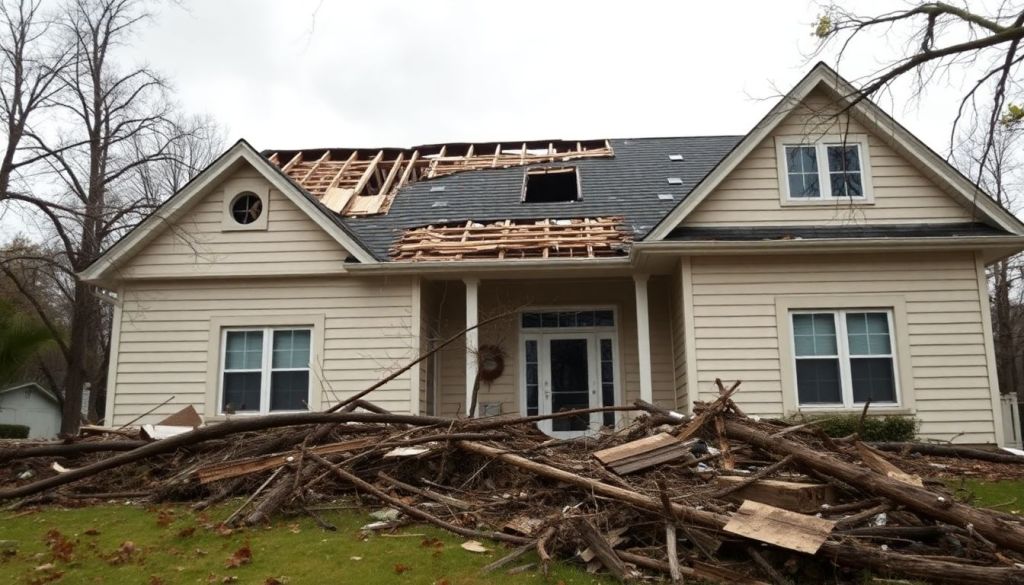
Navigating the aftermath of a storm can be overwhelming. Damage to your home poses challenges not only physically but also emotionally and financially. Many people face the harsh reality of needing to sell their storm-damaged homes but dread the repairs they can’t afford. A critical aspect of this is understanding FEMA’s 50% rule, which complicates the situation further.
Selling a storm-damaged home when repairs are unaffordable due to FEMA’s 50% rule can be very difficult, but it’s possible with strategic planning. FEMA’s 50% rule limits the extent of repairs to a building if the cost exceeds 50% of its pre-damage market value, unless it is brought into compliance with current floodplain regulations.
The Emotional and Financial Toll of Storm Damage
Experiencing storm damage can bring feelings of loss and despair. It disrupts lives, leads to unexpected expenses, and can make you feel isolated. Many homeowners grapple with debt as repair costs soar. You are not alone in this journey, but recognizing the emotional burden is crucial for navigating the next steps.
Understanding FEMA’s 50% Rule and Its Implications
The FEMA 50% rule sets a strict guideline that limits the amount of federal disaster assistance a homeowner can receive. If the cost of repairs exceeds 50% of the pre-disaster value of the home, FEMA may not cover the entire cost. This can leave homeowners with a significant financial burden, especially if they lack adequate insurance coverage.
Again, FEMA’s 50% rule states that if the repairs exceed 50% of your home’s value, you may be required to bring the entire structure up to code. This can mean extensive renovations that are financially unfeasible for many. Understanding what this rule entails helps you strategize your sale.
Assessing Your Property’s Damage and Value
Professional Inspection: Getting an Accurate Assessment
Start with a thorough inspection by a licensed professional. They can provide a clear picture of the damage and help you understand the costs involved. The inspection will allow you to determine the current market value of your home’s structure. This will help you understand if the repairs needed will trigger the 50% Rule.
Also, consult local officials. Reach out to local floodplain managers or building officials to get a substantial damage determination. They can provide guidance on what repairs are necessary and how to comply with local regulations
Determining Fair Market Value After Storm Damage
Consider using comparable recent sales of similar homes in your area to gauge your home’s worth post-damage. A professional appraiser can help with this as well.
Documenting Damage with Photos and Videos
Capture the state of your home through photos and videos. Documentation can assist in negotiations with buyers and help in any insurance claims.
Exploring Your Options: Selling “As-Is” vs. Partial Repairs
You can sell the home “as-is” to a buyer who is willing to take on the repairs, or you can look for investors or companies that specialize in buying and renovating storm-damaged properties.
Selling “As-Is”: Advantages and Disadvantages
Selling as-is means you won’t do any repairs.
Advantages:
- Quick sale process.
- Less upfront cost.
Disadvantages:
- Lower sale price.
- Potentially narrower buyer pool.
Negotiating with Cash Buyers: Strategies and Tips
Cash buyers often look for properties needing work. Research local investors and understand their criteria. Build rapport and be transparent about issues to ease negotiations.
Partial Repairs: A Cost-Benefit Analysis (Considering FEMA Limits)
If it’s financially feasible, doing partial repairs before selling may increase your home’s value. Weigh the cost of repairs against potential increases in selling price. If the cost of repairs is close to the 50% threshold, consider making only the bare minimum repairs to make the home livable. You can then plan to make additional repairs over time to stay within the value versus repair cost limit.
Other Storm-Damaged Selling Options to Explore
The devastating impact of natural disasters often leaves homeowners facing a difficult decision: what to do with a storm-damaged home when insurance and FEMA assistance fall short. So, if you aren’t approved for the amount needed, the first thing to do is to file a FEMA appeal.
RELATED: How Many FEMA Assistance Applications Have Been Denied to Hurricane Helene and Milton Victims?
FEMA Appeals:
- Pros: A FEMA appeal can result in a possible increase in FEMA funds for repairs.
- Cons: Lengthy process and uncertain outcome.
Sell to a Land Buyer:
- Pros: Might be an option if the land is valuable.
- Cons: Loss of the structure’s value.
Land Contract:
- Pros: Potential for financing options for the buyer.
- Cons: More complex and risky for the seller.
Finding the Right Buyer for Your Damaged Property
Targeting Cash Buyers and Investors
Focus on cash buyers who are more likely to purchase storm-damaged homes. They can close quickly and will likely be less concerned about repairs. Highlight the potential of the property and the benefits of its location. Be transparent about the damage and the necessary repairs, and provide estimates to help buyers understand the scope of the work needed.
Utilizing Specialized Real Estate Agents
Consider enlisting real estate agents who specialize in distressed properties. They can provide valuable expertise and help you market your home effectively. Additionally, explore wholesale real estate options. Consider working with wholesalers who can quickly connect you with cash buyers.
Marketing Your Property Effectively: Online and Offline
Utilize online platforms and traditional methods.
- List on real estate websites.
- Use social media.
- Create flyers to distribute in your community.
Navigating Legal and Insurance Processes
Working with Your Insurance Company: Claims and Settlements
Contact your insurance company soon after damage occurs. Provide all necessary documentation to support your claim.
Understanding Disclosure Requirements for Damaged Properties
Most states require sellers to disclose certain property conditions (and Florida is one of them). Understand these regulations to avoid legal complications.
Effective October 1, 2024, Florida enacted a new law requiring property sellers to provide comprehensive disclosure of past flood damage and related federal assistance. House Bill 1049 introduces a crucial transparency measure designed to protect potential homebuyers by ensuring they have full knowledge of a property’s flood history.
Disclosure Requirements
Under the new statute, sellers must now explicitly inform potential buyers about:
- Any flood insurance claims filed
- Federal flood-related assistance received
- Specific hurricane-related flood damage to the property
The law covers claims including those submitted to the National Flood Insurance Program, ensuring buyers have a complete picture of the property’s vulnerability to water damage.
Purpose and Significance
This legislative change aims to:
- Provide buyers with critical information about a property’s flood risk
- Increase transparency in real estate transactions
- Help potential homeowners make informed purchasing decisions
- Mitigate future financial risks associated with flood-prone properties
By mandating these disclosures, Florida is taking a proactive approach to addressing the increasing challenges of climate-related property damage, particularly in hurricane-prone regions.
Potential buyers are encouraged to carefully review all flood damage disclosures and consider additional property assessments when evaluating a real estate purchase.
Legal Advice: Protecting Your Rights
Consider consulting with a real estate attorney to ensure you’re protected during the sales process. They can help clarify your rights and responsibilities.
Successfully Closing the Deal: Protecting Your Interests
Negotiating the Sale Price and Closing Costs
Be clear about your minimum acceptable price. Negotiate closing costs as well, as buyers may ask sellers to cover these.
Ensuring a Smooth Transaction with Clear Communication
Maintain open lines of communication with potential buyers. Clear communication can prevent misunderstandings and facilitate a smoother sale.
Post-Sale Considerations: Tax Implications and Documentation
After the sale, keep all documents related to the transaction. Consult a tax advisor to understand how the sale may impact your taxes.
Rebuilding Your Financial Future After a Disaster
Key Takeaways: Actionable Steps for a Successful Sale
- Assess damage and get a professional inspection.
- Decide whether to sell as-is or make partial repairs.
- Target cash buyers and market effectively.
- Understand legal obligations and insurance claims.
Resources: Where to Find Further Assistance and Support
Seek assistance from local disaster recovery programs, real estate agents, and legal professionals who can provide support specific to your situation.
Looking Ahead: Financial Recovery Strategies
After selling, focus on rebuilding your financial stability. Explore options like savings plans, budgeting strategies, and resources for disaster recovery to help navigate the road ahead.
Selling a storm-damaged home can be daunting, but with the right knowledge and resources, it can also pave the way for a better future. Taking action today is the first step towards recovery.
Follow us on Facebook, Instagram, Threads, Google, & X
(Image created with AI)


 St. Pete-Clearwater Sun
Leave a reply to Realtor Warns Buyers to Exercise Caution When Purchasing Hurricane-Damaged Homes – St. Pete-Clearwater Sun Cancel reply