
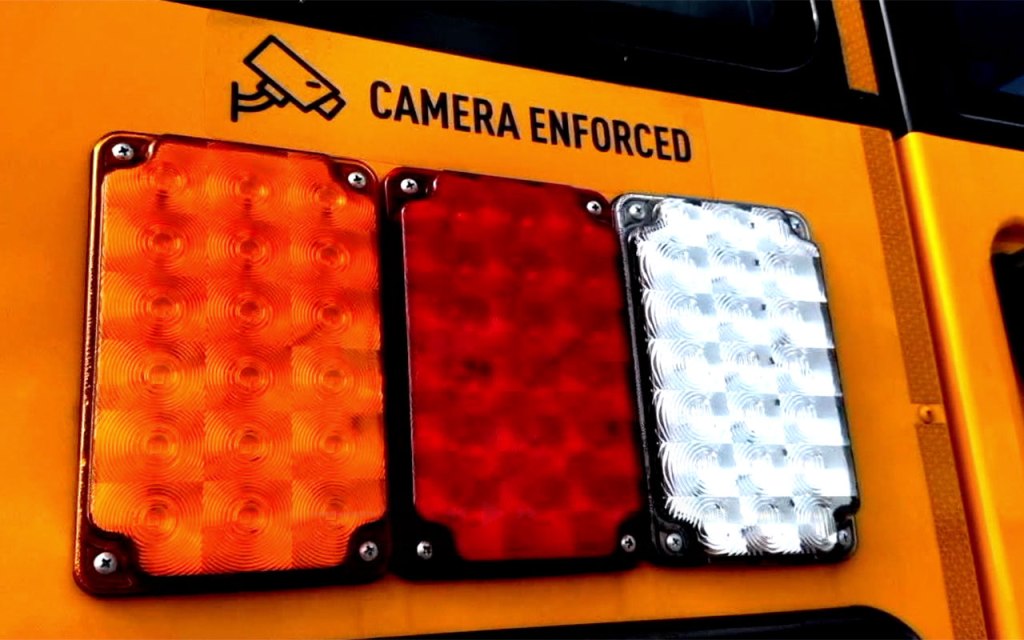
Florida’s school bus camera program, designed to catch drivers who illegally pass stopped buses, is facing growing scrutiny from state lawmakers and drivers who say the system has generated unfair tickets and offered little recourse to contest them.
State Sen. Nick DiCeglie (R-Indian Rocks Beach) has raised concerns about drivers receiving citations even when bus warning lights were not yet activated and the stop arm was not fully extended. “I’ve seen videos where a motorist is getting a ticket when the school bus lights are not on, and it’s created a lot of confusion,” DiCeglie said.
Since Florida authorized the camera program, a handful of counties have collectively issued nearly 500,000 violations, generating close to $50 million in fines. Critics have questioned whether the program has become more of a revenue tool than a safety measure.
One Tampa Bay-area driver, Stanley Shultz, became a flashpoint in the debate. After contesting a $225 violation, he found himself spending more on court fees than the fine itself — paying $293 just to file a second appeal, bringing his total potential costs to nearly $600.
In response to widespread complaints about the appeals process, the Florida legislature passed legislation allowing drivers to challenge fines without going to court or paying additional fees to defend themselves. The new law also extends the time drivers have to contest a fine and allows school districts to manage the appeals process instead of local courts.
On the regulatory side, Senate Bill 654 seeks to ensure school-zone speed cameras operate only when speed limits are actually in effect — such as during student arrival and dismissal — rather than throughout the day. It also requires school boards to hold a public discussion and vote before entering into agreements with private camera companies.
DiCeglie also pushed for reforms during the most recent legislative session, but his efforts stalled amid disagreements between the House and Senate. The House favored expanding the program, while DiCeglie argued existing problems should be fixed first. He said he does not expect the issue to be addressed in the upcoming special sessions and plans to revisit it next year.
Follow the St. Pete-Clearwater Sun on Facebook, Google, & X
St. Pete-Clearwater Sun: local St. Pete-Clearwater news at PIE-Sun.com


 St. Pete-Clearwater Sun
Leave a comment