
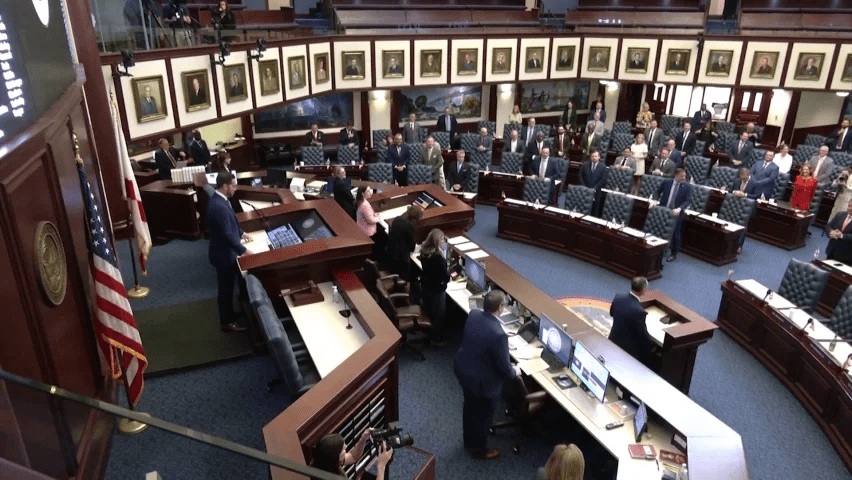
The Florida Legislature officially adjourned its 2026 regular legislative session sine die on March 13, marking the end of a whirlwind sixty days of policy debate. While the traditional dropping of the handkerchief signaled the conclusion of standard business, the work is far from over, as leadership has already signaled a return to the Capitol for multiple special sessions in April.
Fiscal and Tax Deadlock
Despite reaching a consensus on several high-profile cultural and environmental bills, lawmakers exited the regular session without a finalized state budget. The impasse centers primarily on a robust property tax relief package intended to address rising costs for Florida homeowners.
House and Senate negotiators remain divided on the scale of a proposed constitutional amendment that would further expand homestead exemptions. Because the Florida Constitution requires a balanced budget to be passed before the new fiscal year begins on July 1, a special session has been tentatively scheduled for mid-April to resolve these fiscal discrepancies.
Redistricting Mandate
In addition to budgetary concerns, Governor Ron DeSantis and legislative leaders have formally called for a special session focused on congressional redistricting, scheduled for April 20 to April 24.
This move follows recent judicial rulings regarding the state’s current district boundaries. Lawmakers are tasked with redrawing several key districts to comply with state and federal standards. The outcome of this five-day stretch in late April will likely have significant implications for the 2026 midterm election cycle.
Legislative Wins and Losses
The 2026 session saw the passage of several key initiatives, including:
- Infrastructure Funding: Significant allocations for statewide drainage and sewage system upgrades following record-breaking rainfall across the peninsula.
- Education Reform: Updates to the state’s merit-based scholarship criteria, aimed at broadening eligibility for vocational and technical programs.
- Small Business Regulations: New protections for independent contractors and updates to digital commerce statutes.
However, many bills failed to clear the final hurdle before the March 13 deadline. Dozens of proposals related to insurance reform and local zoning authority died on the floor as the clock ran out, leaving stakeholders to wait until 2027—unless they are added to the upcoming special session agendas.
Executive Review
The focus now shifts to the Governor’s desk. Hundreds of enrolled bills are currently undergoing executive review. Under Florida law, the Governor has 15 days to sign, veto, or allow a bill to become law without a signature once it is formally presented.
As Tallahassee prepares for the return of its representatives in three weeks, the quiet in the Capitol is expected to be short-lived.
Follow the St. Pete-Clearwater Sun on Facebook, Google, & X
St. Pete-Clearwater Sun: local St. Pete-Clearwater news at PIE-Sun.com


 St. Pete-Clearwater Sun
Leave a comment