
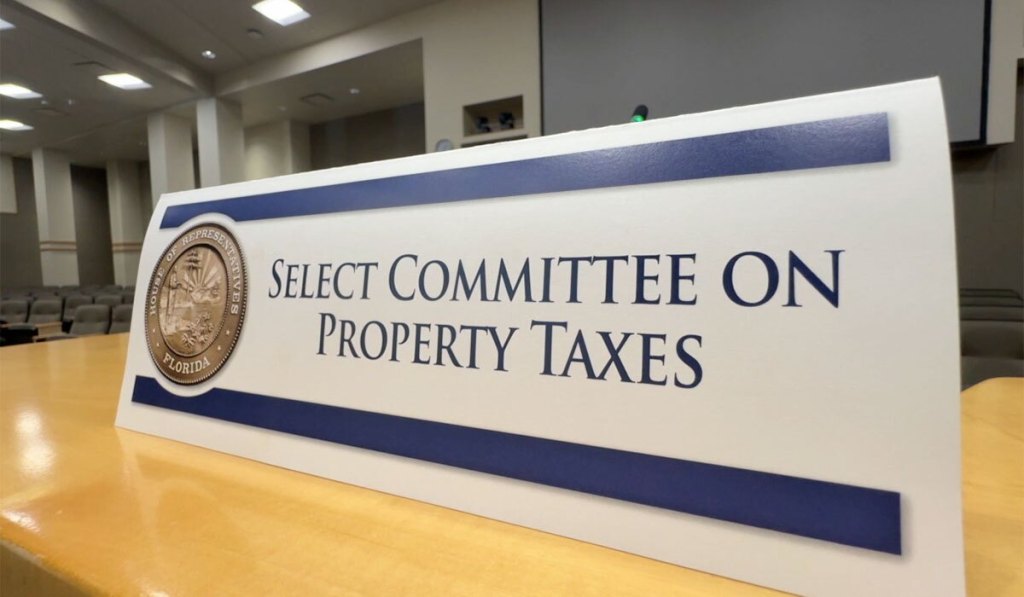
Florida lawmakers returned home Friday without delivering on one of their most-hyped promises to the state’s homeowners: property tax reform. The 2026 legislative session wrapped up without passing a state budget or agreeing on a plan to cut property taxes, sending the Legislature into overtime for a second year in a row.
What Happened?
Republican leaders called for eliminating property taxes but failed to pass a plan during the regular session. The breakdown came down to a fundamental disagreement between the two chambers. The House passed a proposal to place a new non-school homestead exemption on the 2026 ballot, but the Senate declined to take it up, raising concerns about its impact on smaller local governments.
The dysfunction runs deeper than policy differences. Bruised feelings left over from the 2025 session — when Senate President Ben Albritton reneged on a deal with House Speaker Daniel Perez about a $2.8 billion tax cut — have been at the heart of the failure to close a $1.4 billion spending gap between the two chambers this year.
The acrimony was palpable on the final day. Lawmakers left Tallahassee without the traditional “hanky drop” ceremony marking the end of session — a symbolic reminder that the Legislature is not truly finished yet. Former Senate President Don Gaetz said the session went out with a “whimper.”
What’s Next for Homeowners?
The property tax fight is not over — it’s just moving to a different arena. Gov. Ron DeSantis has already called a special session next month to address the budget and congressional redistricting, and Senate President Albritton confirmed that a special session on property tax reform is coming as well, though the schedules remain up in the air.
If lawmakers can reach a deal in a special session, the stakes for homeowners would be significant. The House’s passed proposal, HJR 203, would eliminate all non-school property taxes on homesteaded properties — meaning primary residences — and phase in the change over 10 years. Any changes resulting from a ballot measure would take effect for the 2027 tax year at the earliest, and any proposal would need to clear a 60% supermajority in both chambers before reaching voters, who would then need to approve it by 60% on the November 2026 ballot.
Critics warn that the relief may not be as clean as advertised. Eliminating non-school property taxes for homesteads would cost localities between $6.7 billion and $18.3 billion annually, potentially forcing local governments to cut public services or raise other taxes and fees to offset the loss.
For now, the biggest question heading into April is whether — or how — lawmakers will finally reach agreement, with no written plan and deep mistrust between the House and Senate still unresolved. Florida homeowners, many of whom have watched their tax bills climb alongside soaring property values, will be watching closely.
Follow the St. Pete-Clearwater Sun on Facebook, Google, & X
St. Pete-Clearwater Sun: local St. Pete-Clearwater news at PIE-Sun.com

 St. Pete-Clearwater Sun
Leave a comment