
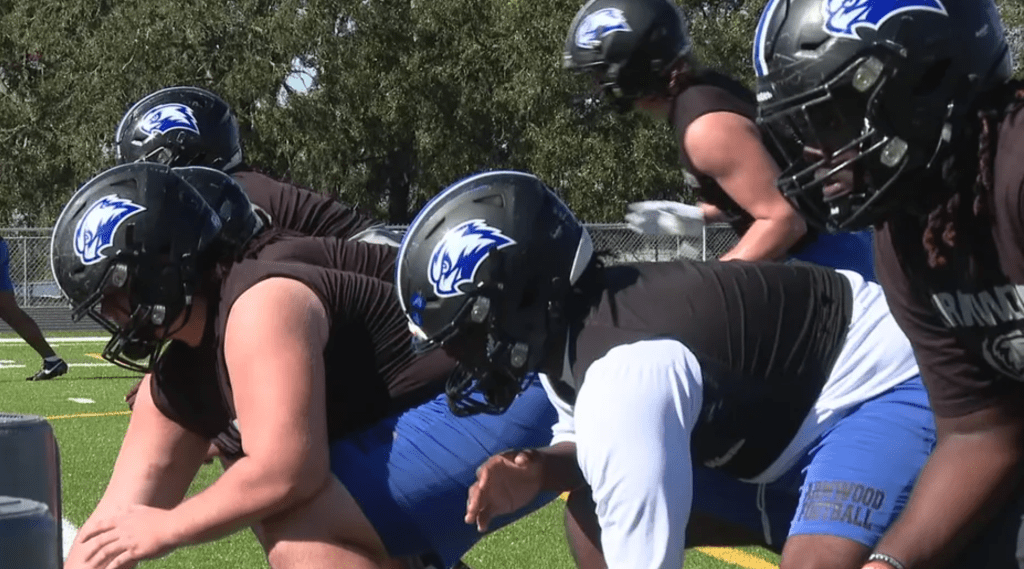
The Florida Legislature has passed a bill that would allow booster clubs to supplement the pay of high school coaches and other extracurricular sponsors, while also tightening student-athlete transfer rules. The measure now heads to Gov. Ron DeSantis for his signature.
The legislation, carried in a Senate companion bill to CS/HB 731, permits school districts to allow booster clubs to use voluntary donations to compensate coaches and extracurricular activity sponsors. It also gives superintendents the authority, at a coach’s request, to classify them as administrative personnel, enabling their coaching pay to be negotiated separately.
Bill sponsor Rep. David Abbott said the measure addresses student eligibility requirements, fixes issues with athletic transfers, and opens the door for booster clubs to compensate coaches, directors, and extracurricular sponsors. He framed the bill as broader than just athletics, pointing to potential benefits for STEM clubs and other programs where community professionals could take on sponsorship roles.
Supporters argued that coaches and extracurricular mentors play an outsized role in students’ lives and that Florida risks losing talented coaches to other states without better compensation.
The bill drew opposition from some Democratic lawmakers, who raised concerns that booster-funded pay could deepen inequality between wealthier and lower-income school districts, and that it might signal misplaced priorities. Abbott pushed back against suggestions the bill elevates sports over academics, saying it does the opposite. He also acknowledged the legislation does not include explicit liability protections for school districts that implement booster-funded compensation programs.
Beyond pay, the bill tightens student eligibility and transfer rules amid concerns about a growing transfer culture in high school sports. It requires the Florida High School Athletic Association to adopt sport-specific manuals and formalize the appeals process for eligibility decisions.
If signed by DeSantis, the law would take effect July 1, 2026.
Follow the St. Pete-Clearwater Sun on Facebook, Google, & X
St. Pete-Clearwater Sun: local St. Pete-Clearwater news at PIE-Sun.com

 St. Pete-Clearwater Sun
Leave a comment