
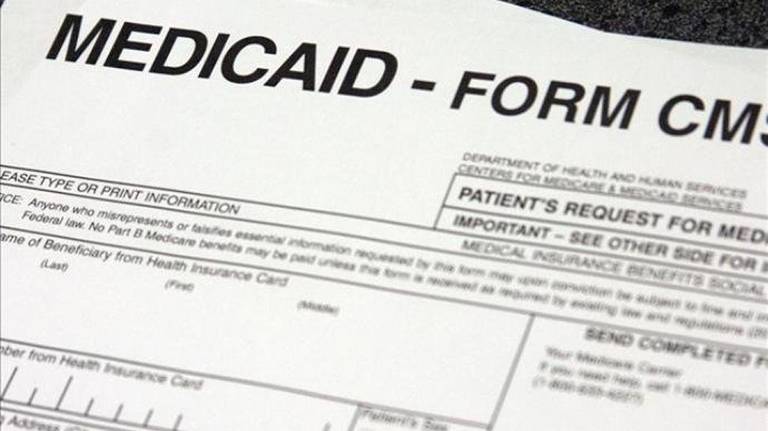
The Florida Senate passed legislation Monday that would require some of the state’s poorest Medicaid recipients to work or participate in education programs to maintain their health coverage, a provision that has no counterpart in the House version of the bill.
Senate Bill 1758 would impose 80 hours of monthly work or education requirements on roughly 1,100 low-income Floridians who rely on Medicaid. Because Florida has not expanded Medicaid under the Affordable Care Act — unlike 40 other states — none of these individuals would be subject to work requirements under federal law.
The House companion bill does not include the Medicaid work requirements, which is one of several differences the two chambers must resolve before the legislative session is scheduled to end Friday. Even the bill’s sponsor, Sen. Don Gaetz (R-Crestview), acknowledged passing the measure is an “uphill battle.”
Critics argue the requirements are unworkable given Florida’s existing income eligibility thresholds. The Florida Policy Institute noted that earning even minimum wage at 80 hours per month could push recipients over the income limit, costing them their benefits. The organization also raised concerns about an exemption for terminally ill patients that applies only to those with a prognosis of six months or less to live.
Senate Democrats attempted to amend the bill so that work requirements would not take effect unless Florida first expands Medicaid, but that effort failed.
Both chambers’ bills would also extend work requirements for recipients of food assistance through the Supplemental Nutrition Assistance Program (SNAP), raising the current age threshold from 59 to 65. The House bill additionally includes a provision to defund Planned Parenthood, which is absent from the Senate version.
Follow the St. Pete-Clearwater Sun on Facebook, Google, & X
St. Pete-Clearwater Sun: local St. Pete-Clearwater news at PIE-Sun.com


 St. Pete-Clearwater Sun
Leave a comment