
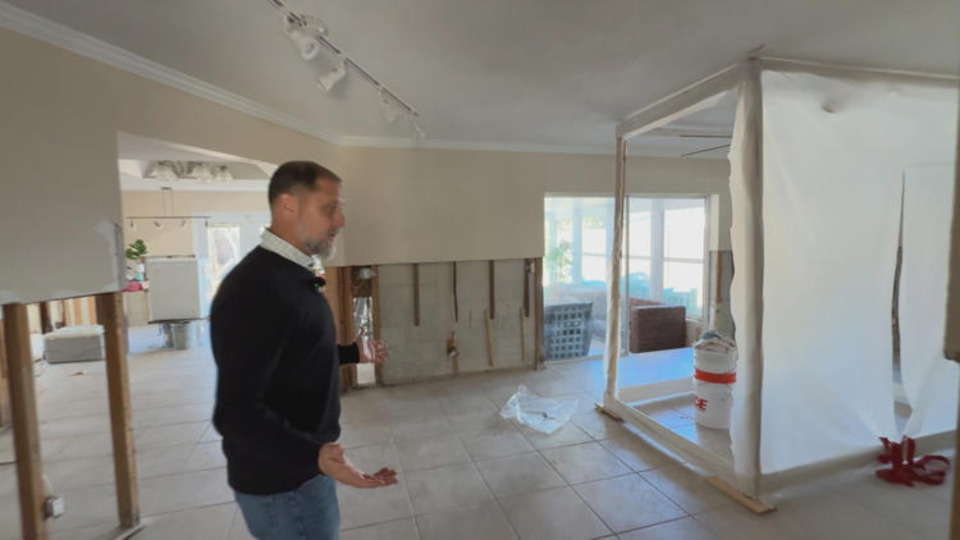
More than a year and a half after back-to-back hurricanes struck Tampa Bay—Helene and Milton—residents who opted into Elevate Florida continue to wait for federal approval. The program, administered by the Florida Division of Emergency Management (FDEM), received over $400 million in federal funding, primarily through FEMA programs such as the Hazard Mitigation Grant Program. It promised a streamlined path for eligible homeowners to elevate homes directly, bypassing slower local government-led projects.
Yet progress has stalled at the federal review stage. Homeowners report frustration as applications linger without final funding determinations. For instance, individuals in hard-hit neighborhoods like St. Petersburg’s Shore Acres express mounting impatience. One homeowner, Jason Nash, stands among roughly 2,000 statewide applicants accepted into the program; however, he has received no further movement toward construction. These delays prevent families from beginning elevation work, leaving properties vulnerable to future flooding and prolonging displacement or substandard living conditions.
Program Structure and Timeline Expectations
Elevate Florida opened applications from February 7 to April 11, 2025, drawing more than 12,000 submissions. The process unfolded in stages. Initial review and prioritization occurred through 2025. By August 2025, over 10,200 property owners learned their status—some advanced, others waitlisted or deferred. Approved applications then moved to FEMA for funding decisions on a rolling basis from July 2025 through March 2026.
FEMA typically requires an average of four months for review after submission, though timelines vary based on application volume and complexity. Construction was projected to begin on a rolling basis from September 2025 through December 2026, with project closeout extending into 2027 and beyond. Despite these benchmarks, many participants report extended hold times during the FEMA approval phase. The state submits prioritized cases, works closely with federal reviewers to address questions, and notifies owners of outcomes via email or letter once the determinations are available.
Broader Context of Federal Review Bottlenecks
These holdups align with wider challenges in federal disaster assistance processing. Recent directives have imposed additional scrutiny on large expenditures, creating significant backlogs. For example, requirements for high-level approval on grants exceeding certain thresholds have extended timelines from weeks to months. A reported $17 billion bottleneck in pending disaster funds illustrates the scale; mitigation projects, including flood elevation efforts, face particular delays amid efforts to curb perceived inefficiencies.
In Florida, such scrutiny compounds recovery strains. The state grapples with substantial unmet needs following major storms—billions in documented gaps even after historic federal infusions. Programs like Elevate Florida prove essential for hardening residences, stabilizing property markets, and maintaining tax bases. Overparticipation underscores demand; many applicants advance slowly or not at all.
Impacts on Homeowners and Communities
Affected residents face tangible hardships. Without elevation funds, families cannot comply with floodplain regulations—such as the 49% substantial damage rule—that mandate repairs for homes exceeding a certain threshold of their pre-storm value. Properties remain at risk, insurance costs may rise, and long-term habitability suffers. Some homeowners turn to personal savings or alternative loans, while others remain in temporary housing or endure ongoing flood threats.
Local governments, meanwhile, coordinate separate recovery efforts—Pinellas County has launched major initiatives with federal dollars—but direct homeowner programs like Elevate Florida were designed to accelerate individual relief. Prolonged waits undermine that intent.
Path Forward and Implications
The situation highlights tensions between ambitious state mitigation goals and federal administrative realities. Homeowners should monitor their Elevate Florida portal accounts for updates, respond promptly to any requests, and explore interim options such as FEMA individual assistance, SBA loans, or private insurance claims where applicable. For those waitlisted, alternative funding streams may emerge, though none match the program’s scale.
Ultimately, resolving these delays requires streamlined federal processes without sacrificing oversight. Florida’s vulnerability to intensifying storms demands proactive, efficient mitigation. Until FEMA approvals accelerate, thousands of accepted applicants—and the communities they anchor—will remain in a frustrating holding pattern, their recovery deferred by bureaucracy rather than nature itself.
Follow the St. Pete-Clearwater Sun on Facebook, Google, & X
St. Pete-Clearwater Sun: local St. Pete-Clearwater news at PIE-Sun.com
 St. Pete-Clearwater Sun
Leave a comment