

Florida’s property insurance market is breathing a sigh of relief as Citizens Property Insurance Corporation, the state’s insurer of last resort, accelerates its depopulation efforts. Once bloated to over 1.4 million policies amid a crisis of soaring premiums and fleeing private carriers, Citizens has shed hundreds of thousands of policies this year alone.
The depopulation program—mandated by state law—is at the heart of this transformation, shifting homeowners back to private insurers and restoring balance to a market battered by hurricanes and litigation.
What Is the Depopulation Plan?
The Citizens Depopulation Program is a structured initiative designed to transfer eligible policies from Citizens to approved private insurance companies. Launched as part of Florida’s broader insurance reforms, it matches policyholders with carriers eager to “assume” blocks of coverage. All participating insurers must be vetted and approved by the Florida Office of Insurance Regulation (OIR), ensuring consumer protections and financial stability.
Unlike voluntary switches, the program is proactive: Private firms propose to take over specific numbers of policies, often in batches of tens of thousands, after regulatory green lights.
This isn’t a one-off event but an ongoing process. In 2025, regulators have approved multiple rounds, including a mid-November surge where nine companies targeted policies for early 2026 takeovers. As of late November, Citizens’ policy count had plummeted to around 569,000—its lowest since 2019—down from 942,000 in February.
Why Is It Necessary?
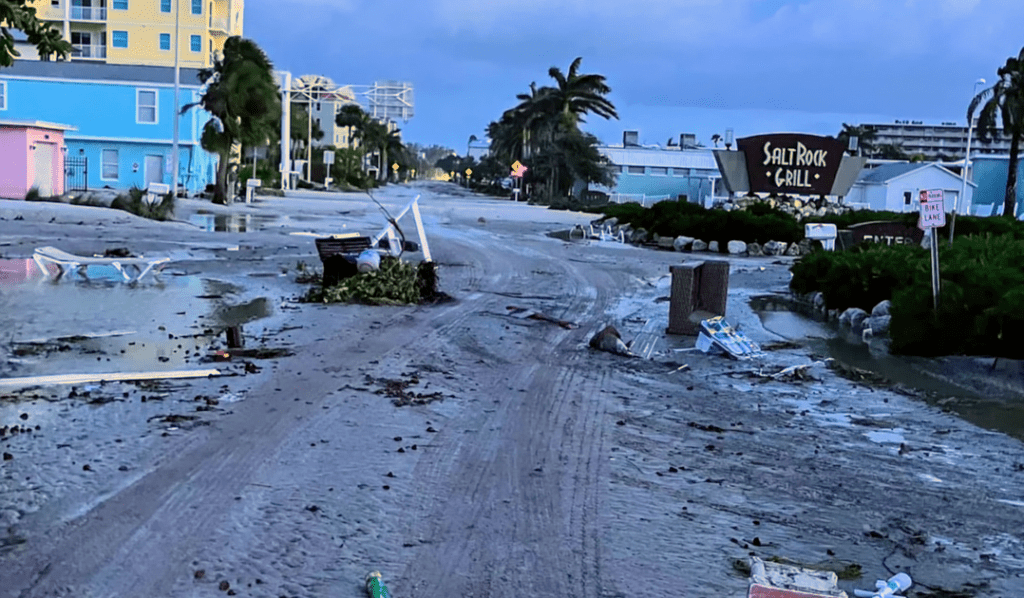
Citizens was never meant to be Florida’s dominant insurer. Created in 2002 as a safety net for high-risk properties rejected by private markets, it ballooned during the 2020s due to a “perfect storm”: devastating hurricanes like Ian in 2022, rampant lawsuit abuse, and skyrocketing reinsurance costs that drove private firms to drop coverage or hike rates by 40-50% annually.
By 2023, Citizens held 1.4 million policies, exposing the state to catastrophic risk. A major storm could trigger billions in claims, forcing “assessments”—emergency surcharges on all Florida policyholders, including those with private insurance, to cover shortfalls. Governor Ron DeSantis’s 2022 and 2023 reforms, including tort reform, stabilized the private sector, making depopulation feasible. Without it, Citizens remains a ticking time bomb, potentially saddling taxpayers and homeowners with massive bills.
How Does It Work?
The process is methodical and homeowner-focused. Private insurers submit proposals to the OIR, outlining how many Citizens policies they want to assume—typically filtered by location, risk profile, or coverage type (personal lines like homes or commercial).
Once approved, Citizens notifies eligible policyholders via mail or email, offering a seamless transfer. Key safeguard: Homeowners must accept if the private premium is no more than 20% higher than their current Citizens rate (recently tightened from 15% in some cases). This “take-it-or-leave-it” rule prevents cherry-picking low-risk policies while protecting affordability.
Transfers are automatic unless opted out within a window, with no lapse in coverage. In October 2025, for instance, 199,000 policies moved in one wave, led by firms like Slide Insurance (60,000 policies) and Manatee Insurance Exchange (50,000). February saw another 102,000 depopulated across eight carriers.
Timeline: A Multi-Year Effort
Depopulation isn’t a sprint. Florida law requires ongoing rounds, with OIR approvals staggered quarterly or post-hurricane season to avoid market disruptions. In 2025, 18 companies assumed over 1.2 million policies cumulatively, slashing Citizens’ exposure by $170 billion in insured value.
Projections show Citizens ending 2025 at 430,000 policies—the lowest since 2018—with further drops to 300,000-400,000 by mid-2026 via approved February-April rounds.
Leaders like Citizens CEO Tim Cerio aim for a “magic number” of 500,000-700,000 policies long-term, shrinking to true last-resort status. Full stabilization could take 2-3 more years, depending on storm activity and private market growth.
Benefits for Homeowners
For Florida’s 6 million+ homeowners, depopulation promises relief. A leaner Citizens means lower assessment risks—potentially saving non-Citizens policyholders hundreds annually—and a 5.6% rate cut for remaining Citizens customers in early 2025, the first in years. Private transfers often unlock broader coverage, like better windstorm or flood options, and competitive pricing as the market softens—some carriers filed for decreases in 2025.
Critics warn of potential premium hikes (up to 20%) for some, but overall, it’s a win: Citizens no longer Florida’s largest insurer, signaling a healthier ecosystem. “This returns Citizens to its roots,” Cerio said, “with more surplus for claims and less burden on everyone.”
As 2026 dawns, Florida homeowners can look forward to a more resilient market—one where depopulation isn’t just a plan, but progress.
Follow the St. Pete-Clearwater Sun on Facebook, Instagram, Threads, Google, & X
St. Pete-Clearwater Sun: local St. Pete-Clearwater news at PIE-Sun.com


 St. Pete-Clearwater Sun
Leave a comment