
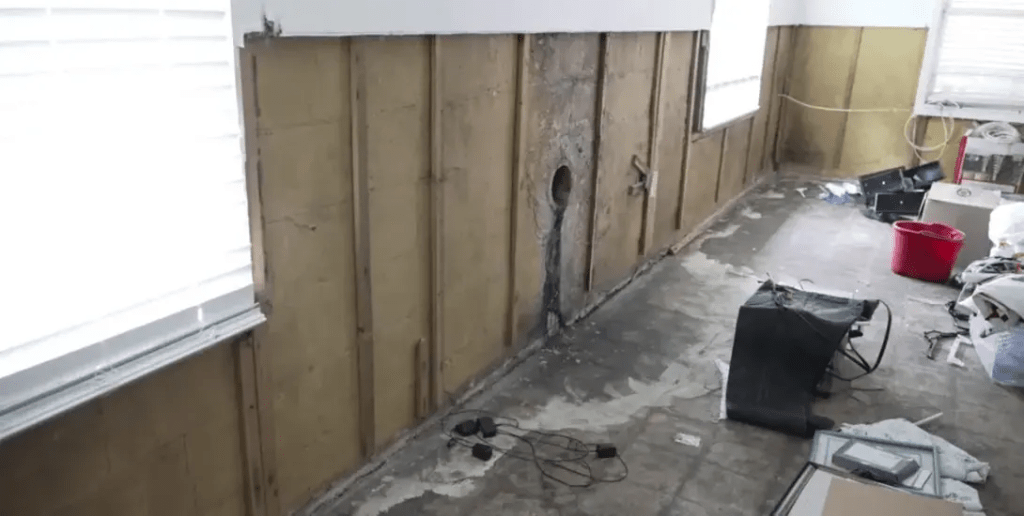
If you’re a Pinellas County homeowner who watched Hurricanes Helene and Milton turn your place into a soggy mess last fall, you know the drill: Floodwaters recede, but the real nightmare? Getting back to normal.
It’s been over a year since those back-to-back beasts slammed the Gulf Coast in September and October 2024, leaving thousands of properties gutted. Yet, as of early 2025, folks are still tangled in red tape for permits, aid bucks, and trustworthy crews to fix it all. Why the drag? And what’s changing? Let’s break it down—no sugarcoating.
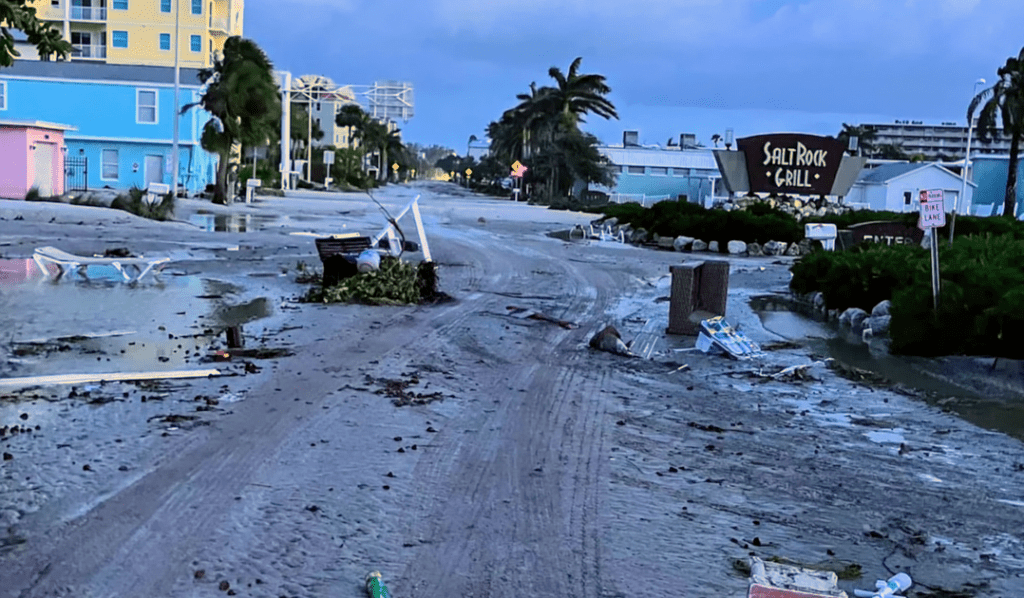
First off, the sheer chaos of 2024’s storm season was a gut punch. Helene hit first, churning up 8-foot storm surges that drowned barrier islands like Madeira Beach and Redington. Then, just two weeks later, Milton roared in, piling on wind damage and more flooding. Pinellas saw three major hits that year, including Idalia in 2023, overwhelming an already stretched system. Officials were slammed: Debris piled high, power flickered out for weeks, and boil-water alerts lingered into November.
Recovery? It meant juggling immediate rescues—over 300 by the Florida State Guard alone—with long-term rebuilds. But the bottlenecks? Permits, funds, and fly-by-night contractors. Permits were the biggest headache. Pinellas issued over 4,500 storm repair permits in unincorporated areas alone, but demand skyrocketed.
Homeowners had to navigate the “49% rule“—a local tweak on FEMA’s 50% substantial damage threshold. If repairs exceed 49% of your home’s value, you might need to elevate it or meet stricter flood codes, triggering pricey engineering reports and inspections.
Add in mold checks and structural assessments post-flooding, and wait times stretched months. One Madeira Beach resident vented online in April 2025: Still displaced, begging for faster processing. Cities like St. Pete hosted info sessions by November, but for many, it felt like shouting into the wind.
Disaster funds? Yeah, about that. FEMA aid rolled out quickly for basics like tarps and temporary housing, but bigger bucks—like HUD’s $813 million CDBG-DR pot for Helene, Milton, and Idalia—took time to divvy up. Programs like the Income-Eligible Hurricane Home Repair (up to $30K grants) and Elevate Florida didn’t open till spring 2025, with apps closing amid funding crunches.
Low- to moderate-income households received priority, but duplication rules (no double-dipping with insurance) slowed approvals. By August 2025, some applicants were ghosted as pots ran dry, leaving neighbors in limbo—paying taxes on unlivable homes while crashing with family. SBA loans helped small biz, but homeowners griped about endless paperwork.
Then there were the contractors. Post-storm, shady operators swarmed, promising quick fixes then vanishing with deposits. Unlicensed crews botched jobs, leading to “stop work orders” from inspectors who spotted code violations—such as improper elevations or electrical hazards. These halts froze progress, stranding families mid-rebuild and racking up fines. Pinellas warned early: Vet your hires via the county’s contractor database. But desperation bred mistakes; one person on X called it a “scam artist’s paradise.”
Municipalities dragged their feet too, buried under the backlog. With staff diverted to debris hauls (roving teams fed thousands) and shelter ops (13,000 sheltered countywide), permitting offices couldn’t scale fast. Back-to-back storms meant no breather—Helene’s mess wasn’t cleared before Milton struck. Rural edges like Oldsmar fared better with state aid, but beach towns? Gridlock. Critics, including fed-up locals, pointed fingers at Rep. Anna Paulina Luna for not pushing harder on relief.
A year on, changes are kicking in. Pinellas released a 60-page “After Action Report” in June 2025, spotlighting wins such as in-person permitting hubs that sped up 4,500+ approvals. They’ve beefed up the People First programs, opening apps in October 2025 for rehab grants and reimbursements—150-day construction timelines baked in for snags. Surveys now guide the $813 million spend, prioritizing housing over infrastructure.
Fraud crackdowns? Tighter contractor licensing pushes and volunteer muck-out teams to bridge gaps. And for next season? Enhanced partnerships with FEMA for quicker trailer placements and food distro.
It’s not perfect—some beaches are just now renourished, sans full fed help—but it’s progress. Pinellas learned the hard way: Storms don’t wait, but systems can adapt. If you’re in the thick of it, hit up recover.pinellas.gov. Hang in there; the tide’s turning.
Follow the St. Pete-Clearwater Sun onFacebook, Instagram, Threads, Google, & X
St. Pete-Clearwater Sun: local St. Pete-Clearwater news at PIE-Sun.com
 St. Pete-Clearwater Sun
Leave a comment