

Rising costs and declining availability of home insurance are fundamentally changing communities across the United States as climate-related disasters become more frequent and expensive. The crisis, which was once concentrated in hurricane and wildfire-prone regions, has now spread to areas previously considered low-risk.
Between 2018 and 2022, home insurance costs increased approximately 8% faster than overall inflation nationwide, according to a January Treasury Department report. This year, homeowners are paying an average of $2,450 annually, but costs vary dramatically by region. Florida residents face average premiums near $5,800, while Nebraskans pay approximately $6,400—the highest in the nation and nearly $4,000 above the national average.
The Great Plains has emerged as an unexpected hotspot for insurance problems due to increasingly severe hailstorms. In 2024 alone, hail damage caused an estimated $160 billion in property losses nationwide. Last year, a single hailstorm in Cozad, Nebraska—a town of just 4,000 residents—resulted in approximately $100 million in damages, leading many insurers to drop customers or sharply raise premiums.
Increased frequency and severity of hurricanes, wildfires, floods, and hailstorms all contribute to the trend. Meanwhile, continued development in vulnerable coastal and forested areas puts more property at risk, while inflation has significantly increased rebuilding costs.
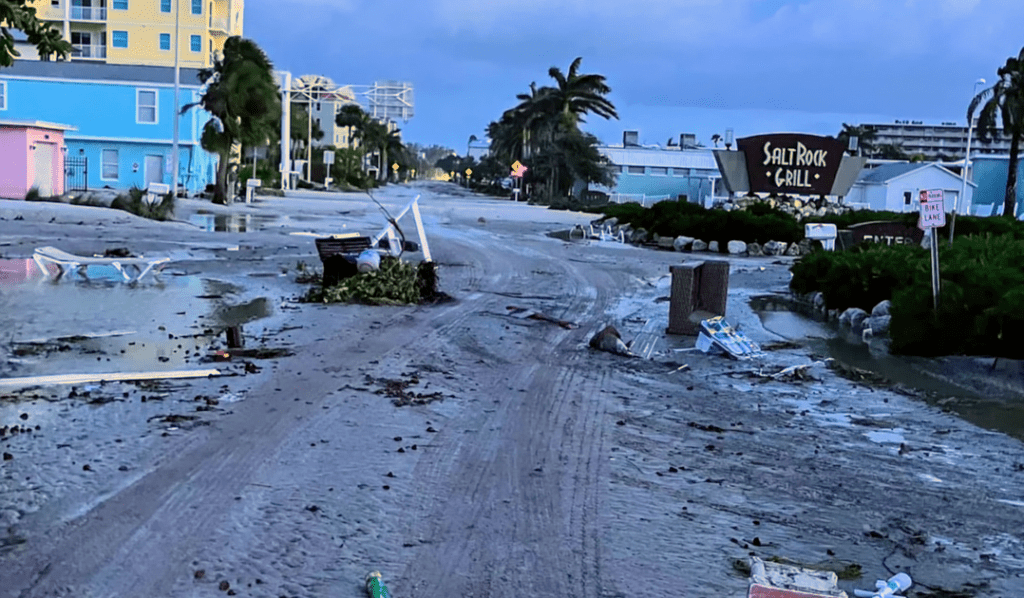
The insurance crisis is already displacing middle-class residents in Florida’s southwest coast, where realtors report potential foreclosure waves as residents on fixed incomes struggle to afford both homeownership and flood insurance. In Lee County, home values dropped more than 10% between September 2023 and September 2024, and are nearly 16% lower than before Hurricane Ian struck in 2022.
Research from investment firm DeltaTerra Capital suggests that in approximately one in five U.S. communities, home values may fall by about 30% to offset rising insurance costs. Widespread foreclosures could raise mortgage costs nationwide, according to analysts.
Some communities are taking proactive measures. Lake County, California, which has experienced nine wildfires since 2015, is retrofitting homes with fire-resistant features and creating community-wide fuel breaks. However, despite these efforts, policy cancellations in the county continue rising faster than almost anywhere else in the country.
Insurance companies have begun offering limited discounts for individual home improvements, but experts say insurers need better data on community-wide risk reduction efforts. A new database, the WUI Data Commons, is being developed to aggregate information on wildfire mitigation projects, though challenges remain with implementation and industry adoption.
Consumer advocates note that despite various protective measures, homeowners have not yet seen significant reductions in insurance costs or greater availability.
Follow the St. Pete-Clearwater Sun on Facebook, Instagram, Threads, Google, & X
St. Pete-Clearwater Sun: local St. Pete-Clearwater news at PIE-Sun.com



 St. Pete-Clearwater Sun
Leave a comment