
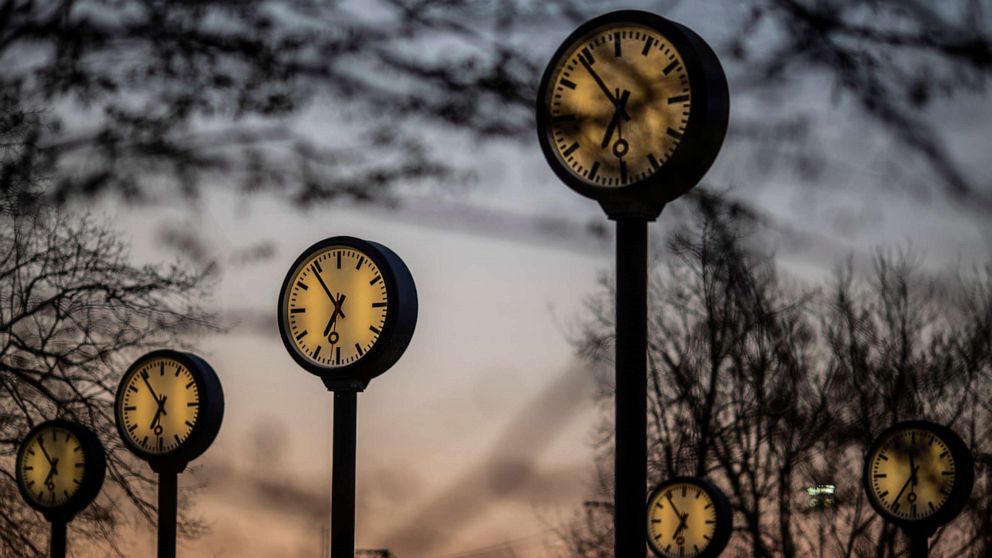
Clocks will fall back one hour at 2 a.m. on Sunday, November 2, marking the end of daylight saving time for 2025, despite years of legislative efforts to make the time change permanent.
Over the past seven years, 18 states have passed legislation or resolutions supporting year-round daylight saving time—a movement called “lock the clock“, according to the National Conference of State Legislatures. In 2025, at least 31 states considered or are still considering legislation related to daylight saving time.
However, none of those state bills or laws can take effect until there is a federal repeal of the congressional act that governs time changes. At the federal level, the Sunshine Protection Act, which would make daylight saving time permanent across the U.S., was reintroduced in both the U.S. House of Representatives and the Senate in January 2025, but the legislation has not yet been brought to a vote.
Frequent measures in Congress have sought to make daylight saving time permanent to eliminate the twice-yearly clock changes, but the bills usually die before they come close to becoming law.
With the time change, Americans will gain an extra hour of sleep but will experience earlier sunsets and darker evenings. It won’t be until March 2026 that clocks “spring forward” again. Hawaii, most of Arizona, and several U.S. territories do not observe daylight saving time.
Follow the St. Pete-Clearwater Sun on Facebook, Instagram, Threads, Google, & X
(Image credit: ABC News)
St. Pete-Clearwater Sun: local St. Pete-Clearwater news at PIE-Sun.com



 St. Pete-Clearwater Sun
Leave a comment