
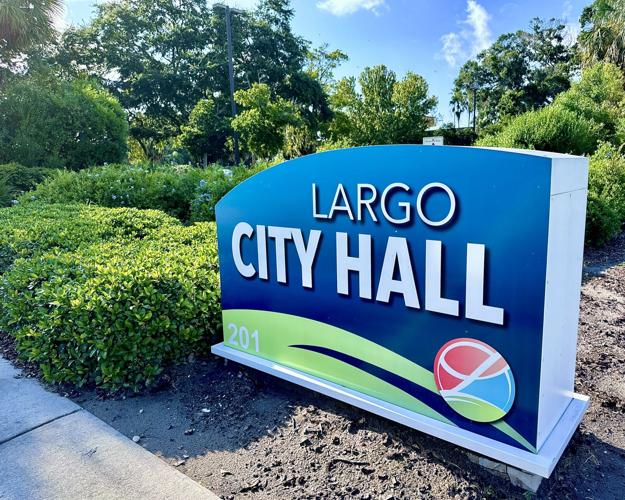
Largo city commissioners are expressing doubts about the city’s participation in a Duke Energy solar program that has already cost taxpayers more than $150,000, with questions mounting about whether the 33-year commitment will deliver promised returns.
During a September 9 commission work session, several commissioners criticized the 2020 decision to join Duke Energy’s solar program, which allows small businesses and homeowners to pay monthly fees for solar energy through Duke’s network. The city contributed significant startup costs as part of its participation in a national clean energy initiative.
Commissioner Mike DiBrizzi voiced strong opposition to the arrangement, saying he has “a philosophical issue with the city providing capital money to a multibillion-dollar public company whose purpose is to make money for shareholders.” He expressed doubt that the city would see expected returns on the investment.
The program requires a 33-year commitment, with the city initially projecting to break even after 12 years and potentially earn up to $1.5 million in profit by 2054.
Commissioner John Lauser echoed concerns about subsidizing a profitable corporation, noting that “Duke profited $971 million in the third quarter of Fiscal Year 2025.” He said Duke “saw an opportunity to take advantage of communities looking to invest in renewable energy” while passing risks to local governments.
Vice Mayor Curtis Holmes characterized the arrangement as Duke borrowing customers’ money upfront and paying it back through energy credits.
City staff warned that backing out of the agreement would forfeit the $152,000 already invested. Mayor Woody Brown argued that leaving now would guarantee a loss since the city cannot recover its initial investment.
However, DiBrizzi countered that while exiting would cost $150,000 immediately, continuing the program over 25 years could result in losses exceeding potential earnings.
Brown and Commissioner Chris Johnson requested updated financial projections and proposed waiting another year before making a final decision. Commissioner Michael Smith called for Duke representatives to attend the next discussion.
The commission reached consensus to have staff return with updated financial data at a future meeting.
In other business, Assistant City Manager Meridy Semones outlined changes to Largo’s strategic plan through 2030, calling it “a roadmap that guides our daily operations.” A first public reading is scheduled for October 7. Semones noted that completing the work in-house saved the city hundreds of thousands of dollars in consulting fees.
Follow the St. Pete-Clearwater Sun on Facebook, Instagram, Threads, Google, & X
(Image credit: Jeff Rosenfield/TBN)
PIE-Sun.com: local St. Pete-Clearwater news



 St. Pete-Clearwater Sun
Leave a comment