
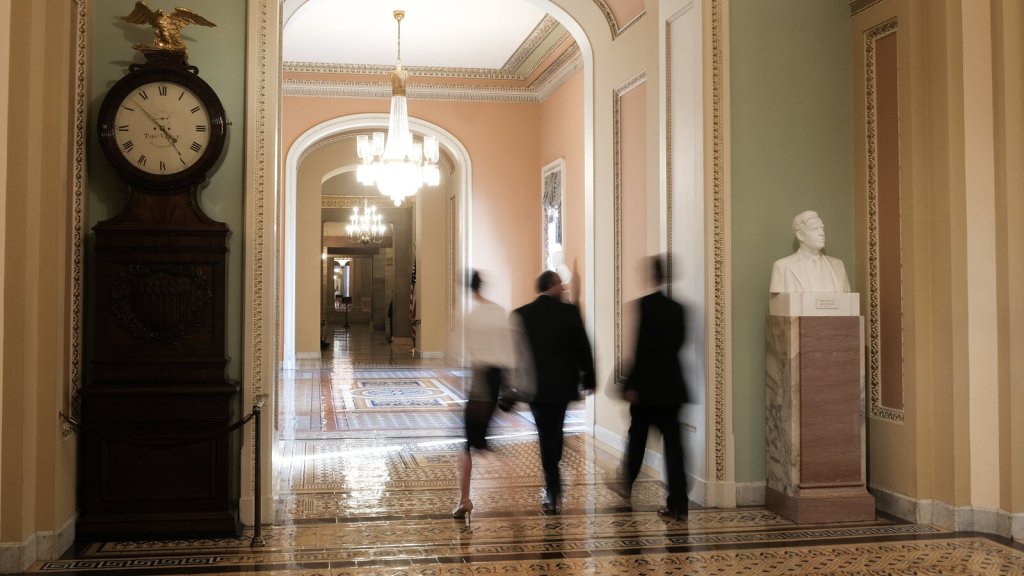
In less than two months, Americans will once again turn their clocks back an hour as daylight saving time comes to an end, bringing earlier sunsets.
Some lawmakers want this to be the last time the nation makes the switch. While states are pursuing different approaches — from permanent daylight saving to permanent standard time — federal proposals focus on keeping the country on daylight saving time year-round.
As of early September, four bills are pending in Congress. Two would establish permanent daylight saving time nationwide, while two others would let states choose whether to adopt it. All remain in committee, with one requiring a revote.
The Sunshine Protection Act, first introduced years ago by then-Sen. Marco Rubio of Florida, is once again at the center of the debate. Rep. Vern Buchanan (R-FL) reintroduced the measure in the House, while Sen. Rick Scott (R-FL) sponsored the Senate version. Rubio’s earlier version passed the Senate in 2021 with bipartisan support but stalled in the House.
Buchanan’s current bill has more than two dozen Republican cosponsors, including members from Florida, Pennsylvania, Alabama, and other states. Scott’s Senate bill has drawn a wider mix of support, with backers from both parties, including Sens. Patty Murray (D-WA), Ron Wyden (D-OR), Rand Paul (R-KY), and Marsha Blackburn (R-TN).
The Senate Committee on Commerce, Science, and Transportation advanced Scott’s bill in April, though it still needs a revote under Senate rules.
Unless Congress acts, most Americans will set their clocks back one hour on Nov. 2.
Follow the St. Pete-Clearwater Sun on Facebook, Instagram, Threads, Google, & X
(Image credit: Michael A. McCoy/NYT)
PIE-Sun.com: local St. Pete-Clearwater news




 St. Pete-Clearwater Sun
Leave a comment