
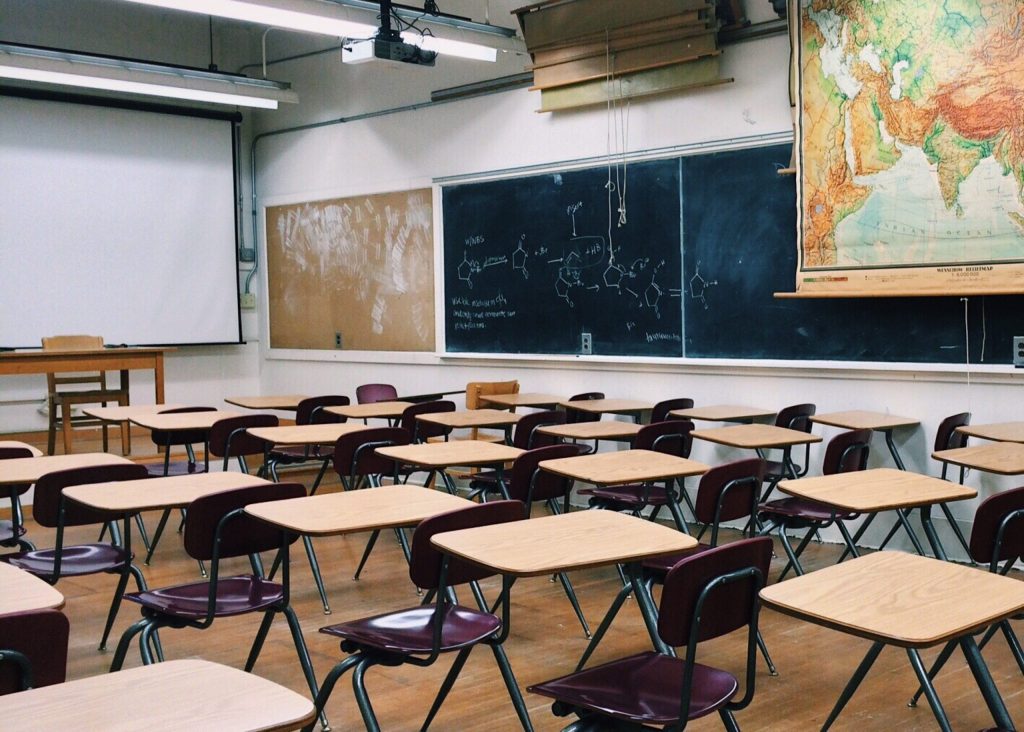
Florida’s climbing eviction rates are affecting more than housing — they’re disrupting classrooms across the state. Teachers and researchers say the crisis is forcing students to change schools, miss class, and fall behind academically.
In Orange County, over 8,800 students lack a permanent home — a 50% jump since 2019, district records show. Most are staying in shared housing or motels. In Hillsborough County, 1.2% of public school students are experiencing homelessness.
Eviction Lab research finds children in families facing eviction are three times more likely to change schools mid-year, miss an average of two additional school days, and face higher suspension rates. Many end up in lower-performing schools with fewer resources, deepening academic setbacks.
“Children whose families are evicted are more likely to be moved to new schools, suspended, and accumulate absences. That impacts a child’s stability beyond the home,” said Carmen Vallejo, communications specialist at Eviction Lab.
Federal law allows homeless students to stay in their original school, even after moving districts. But April Cobb, chair of the Sunshine Education Coalition, says transportation delays can keep students out for weeks. “Sometimes they could be out of school up to 30, sometimes 60 days. It’s not a quick transition,” she said.
Advocates urge families to seek help before an eviction notice is issued. “Being proactive puts you in a better position to get support versus getting the 30-day notice,” Cobb said.
Eviction Lab warns the effects reach far beyond academics, linking evictions to poorer health outcomes and shorter lifespans. Without more rental assistance, affordable housing, and better transportation for displaced students, local leaders caution, more children risk losing both their homes and their place in the classroom.
Follow the St. Pete-Clearwater Sun on Facebook, Instagram, Threads, Google, & X
(Image credit: iStock)
PIE-Sun.com: local St. Pete-Clearwater news




 St. Pete-Clearwater Sun
Leave a comment