
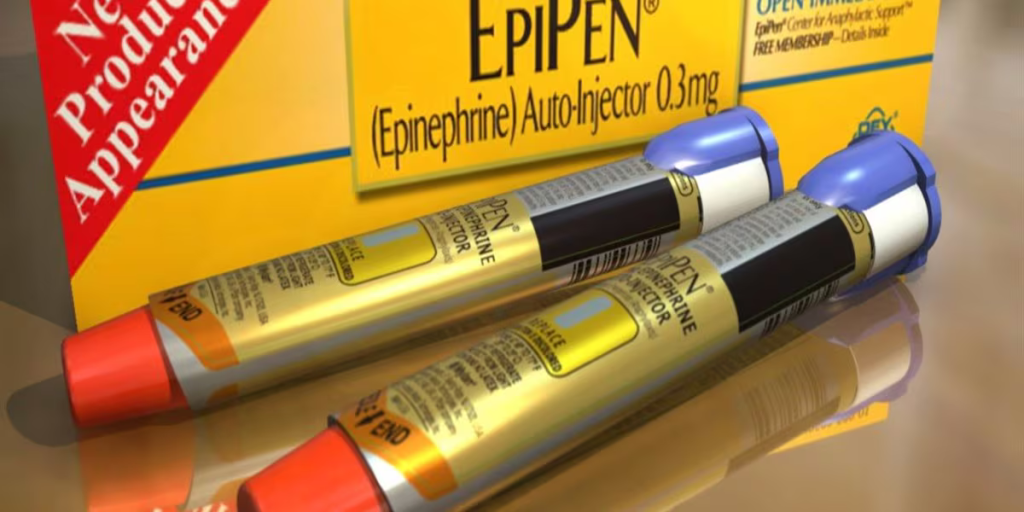
As students return to class, Alicia Smith is heading back more prepared than most — not just with school supplies, but with life-saving knowledge.
“I have an allergy to coconut,” Alicia told Bay News 9. “When I touch it, I break out in rashes and hives. But when I eat it, my throat starts to close up.”
That exact scenario happened during her freshman year, when Alicia accidentally ingested coconut. She had to use her EpiPen to save her life.
“It’s heart-wrenching,” said her mother, Cynthia Smith. “Especially when you get a call from school saying she’s on her way to the ER after using her EpiPen.”
While Alicia knew how to respond, younger children may not — which is why a new Florida law now requires public schools serving kindergarten through 8th grade to be equipped and trained to respond to severe allergic reactions, including anaphylaxis.
Dr. Siddarth Goyal, an emergency physician at Orlando Health Bayfront Hospital, says anaphylaxis is a medical emergency that demands immediate action.
“People may have trouble breathing or swallowing. Their lips and tongue swell, they may vomit, feel stomach pain, or have a drop in blood pressure,” he said. “It’s very severe, and seconds matter.”
The law mandates that school personnel be able to recognize the signs of a reaction and administer emergency epinephrine when needed.
“I think it’s extremely important,” Goyal said. “Not only does it save lives, but it also brings peace of mind to families and students.”
Alicia and her mom say the law is long overdue.
“It gives us peace of mind,” said Cynthia.
According to a bill analysis, approximately 76,000 Florida students have life-threatening allergies. Another 112,000 students with asthma may also be at risk of severe allergic reactions if exposed to certain allergens.
Follow the St. Pete-Clearwater Sun on Facebook, Instagram, Threads, Google, & X
(Image credit: WCTV)
PIE-Sun.com: local St. Pete-Clearwater news



 St. Pete-Clearwater Sun
Leave a comment