
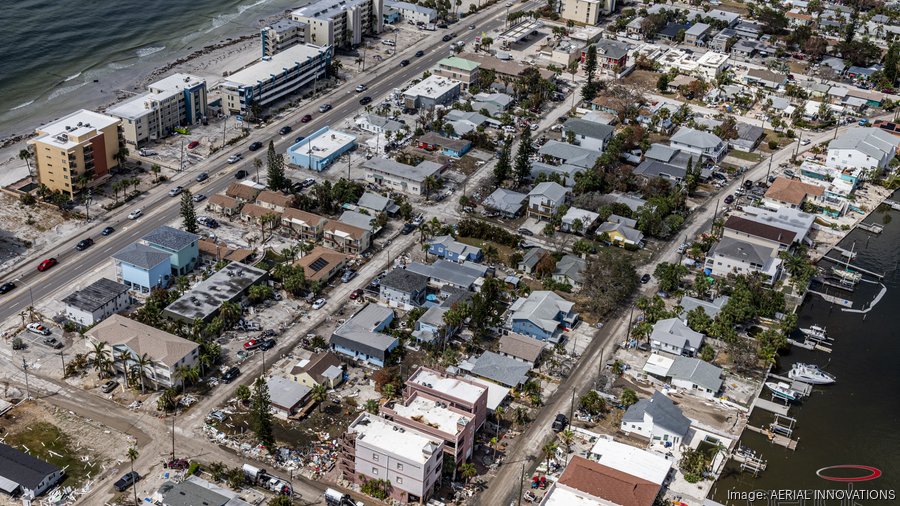
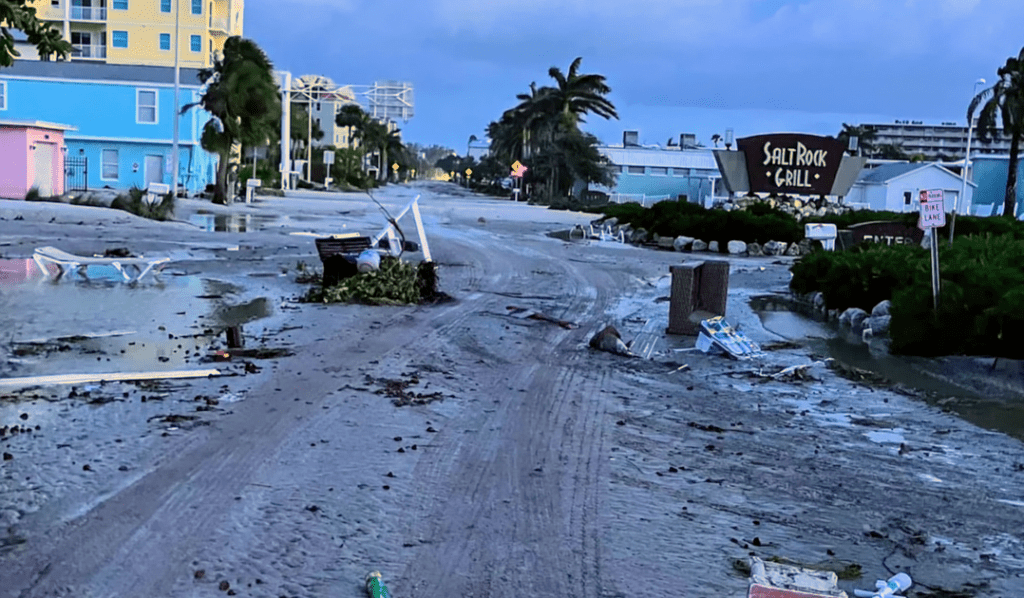
Ann Haendel spent more than 30 years in her St. Pete Beach cottage before Hurricane Helene sent three feet of water rushing through her home. When she returned, it looked like a tornado had torn through it—soaked books, flipped furniture, and extensive damage.
The city later deemed the home “substantially damaged,” meaning repair costs exceeded half its value. At 89, Haendel said rebuilding or elevating the home wasn’t realistic. So when HomeGo, a property investment company, offered her more than $250,000—nearly triple what she originally paid—she sold and relocated to California to live with her daughter.
Haendel’s home is one of at least 58 properties that HomeGo, an arm of Texas-based New Western, purchased across Tampa Bay after last year’s devastating hurricane season.
A Tampa Bay Times analysis of residential property sales from October to March found that corporate buyers—primarily LLCs—snapped up more than a quarter of the 3,300 homes sold in areas hit hard by storm surge. In those neighborhoods, the share of properties purchased by companies more than doubled, while sales in drier areas remained stable.
Experts say this is a common trend following natural disasters. As homeowners confront financial losses and the emotional toll of repeated evacuations and repairs, many opt to sell—often quickly and at reduced prices. That creates a prime opportunity for investors, developers, and house flippers.
“People throw up their hands and walk away,” said Susan Heffron of real estate analytics firm Zonda. “That’s when investors swoop in.”
Some investors plan to rebuild more resilient homes. One South Tampa developer who acquired 30 flood-damaged homes said all would be torn down and replaced with hurricane-hardened structures. But others flip homes without proper permits, raising concerns about quality and safety.
And as older homes are replaced with pricier new builds, affordability takes a hit. “If it’s rehabbed, it’s going to cost more to live there,” Heffron said.
Hurricanes Bring Change—and Opportunity
The Times reviewed nearly 1,000 storm-damaged home sales using permitting records and local damage reports. Because some municipalities don’t track storm impacts consistently, the actual number may be higher.
Heffron estimates about 7% of the region’s housing stock sustained some damage. After a lull in the market during initial recovery, listings rebounded by 26% by December.
Some of the most flood-prone areas, including Shore Acres, Gulfport, and barrier islands, actually saw more activity—8% more sales compared to the same period the previous year. Sales in the rest of Pinellas County dropped by 8%. Hillsborough County saw less disruption in flooded zones.
“Every time there’s a major storm, people think it’s going to scare buyers away from Florida,” said Brad O’Connor, chief economist at Florida Realtors. “But people still want to move here.”
Older homeowners especially are deciding to sell. Some are simply exhausted by the cycle of repairs and evacuations.
After flooding damaged their Treasure Island home, Carol Crane and her husband debated their next steps. At 77, they decided it was time to simplify. “We just needed something safer,” she said. The couple now lives in The Villages, far from the coast.
A Gold Mine for Investors
The Times identified nearly 1,000 homes in the hardest-hit areas that were scooped up by LLCs or corporate buyers after Hurricanes Helene and Milton.
Unlike large investment firms that operate under consistent branding, many flippers create shell LLCs for each purchase and list the property address as the business address—making them hard to trace. Once the home is sold, the LLC is often dissolved.
Jorge Vazquez, CEO of Tampa-based Graystone Investment Group, said the investor market heated up in February. In a blog post, he described distressed homes as a “goldmine”—either as flips or rentals.
But many investors are still watching from the sidelines, waiting to see whether the recent wave of Gulf Coast storms signals a new normal. “It’s all about risk tolerance,” Vazquez said.
Lysette Ketterer, a Century 21 agent who works with waterfront sellers, said investors flooded her phone lines after the storms—but she often advises clients to wait and avoid panic-selling. She helped the Cranes secure a deal that earned them $875,000—about $250,000 more than what they paid in 2008.
Prices Drop, Then Recover—But Affordability Lags
In the months after Hurricane Helene, prices in storm-surge areas dropped sharply. The median sale price in August 2024 was $754,000. By February, it had fallen to $445,000. While prices have since rebounded somewhat, they remain below pre-storm levels.
Investors, with cash in hand, can afford the costly repairs needed to restore or upgrade properties. But most homeowners lack the resources—and energy—for such a rebuild.
“They just want to move on,” said Mark Bogue of Property Solutions of Tampa Bay, which has remodeled hundreds of damaged homes since the ’90s. His company has sidestepped demolition rules by successfully arguing that repair costs were under the 50% threshold, reversing “substantial damage” designations.
That’s exactly what happened with Haendel’s home. Though she thought it would be torn down, HomeGo sold it two weeks later to Dematteo Investments LLC for $300,000. By February, the home had been renovated and listed for rent.
Despite no permits on file and the home still officially considered “substantially damaged,” a Times reporter found a tenant living there in June.
Neighborhoods in Transition
Haendel’s block is a snapshot of what’s happening across Tampa Bay. Since October, at least 10 homes nearby have changed hands. Some remain vacant. Others have demolition signs out front or visible water damage.
Developers like Homes By WestBay are transforming storm-ravaged streets. The company has purchased over 30 homes in South Tampa for around $700,000 each—and plans to replace them with multimillion-dollar new builds.
“The neighborhood will look completely different,” said CEO Willy Nunn. “It could create a serious affordability issue.”
Historically, neighborhoods hit hardest by hurricanes see sharper price increases during recovery. Resilient construction adds value—but pushes prices beyond the reach of many longtime residents.
Nunn believes local leaders must act to preserve housing affordability, including changes to zoning that allow for higher-density rebuilding.
Vazquez sees a coming wave. If the 2025 season ends quietly, investor activity in Florida could explode.
“If there’s no big storm,” he said, “the floodgates will open. Everyone and their mother will want to invest in Florida.”
Follow the St. Pete-Clearwater Sun on Facebook, Instagram, Threads, Google, & X
(Image credit: Aerial Innovations)
PIE-Sun.com: local St. Pete-Clearwater news

 St. Pete-Clearwater Sun
Leave a comment