

A new report from the insurance industry reveals a significant barrier facing many Florida homeowners as this year’s hurricane season intensifies: nearly 30% say the cost of preparation is preventing them from getting ready.
But former Florida Deputy Insurance Commissioner Lisa Miller says there are still essential, budget-friendly steps homeowners can take to stay protected.
She advises starting with three key areas: the roof, windows, and — most importantly — insurance coverage.
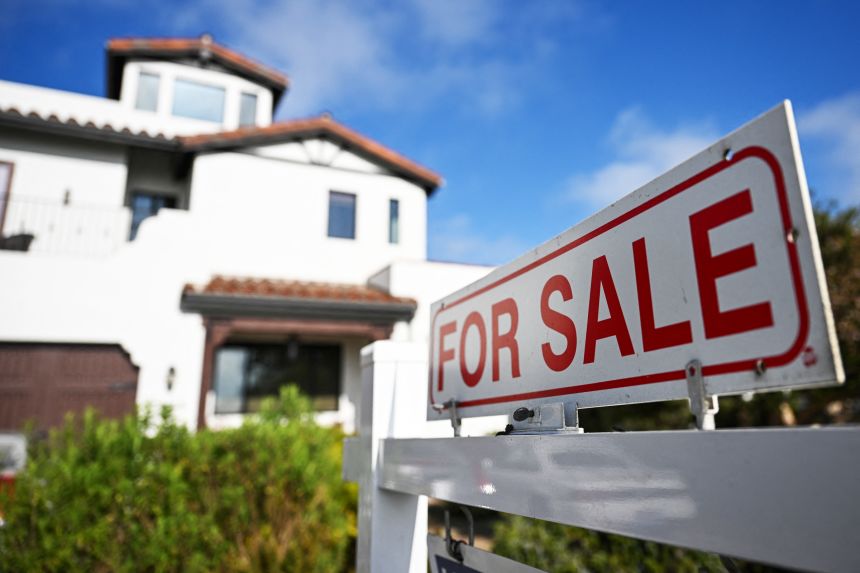
“Look at the front page of your homeowner’s insurance policy,” Miller said. “Find the Coverage Amount. That’s what your insurer will pay to rebuild your home.” For example, if the amount is $300,000, Miller urges homeowners to ask a local contractor whether that’s enough to cover a full rebuild in today’s market.
“Inflation has pushed material costs way up. A sheet of plywood that used to be $9 is now $25,” she noted.
If the rebuild cost exceeds the coverage limit, Miller recommends updating your policy — especially as federal disaster assistance becomes less dependable. “The government is focused on cutting back spending, not increasing it,” she warned.
She also strongly encourages homeowners to consider flood insurance, even if they’re not in a high-risk zone.
“You might pay $500 a year — that’s about $60 a month,” she said. “Skip a couple of meals out or a car wash. Try to budget that $60 to $100 monthly to protect your home from flooding.”
While homeowners insurance can be adjusted at any time — even during hurricane season — flood insurance typically takes 30 days to go into effect. Miller says it’s critical to purchase it before a storm forms.
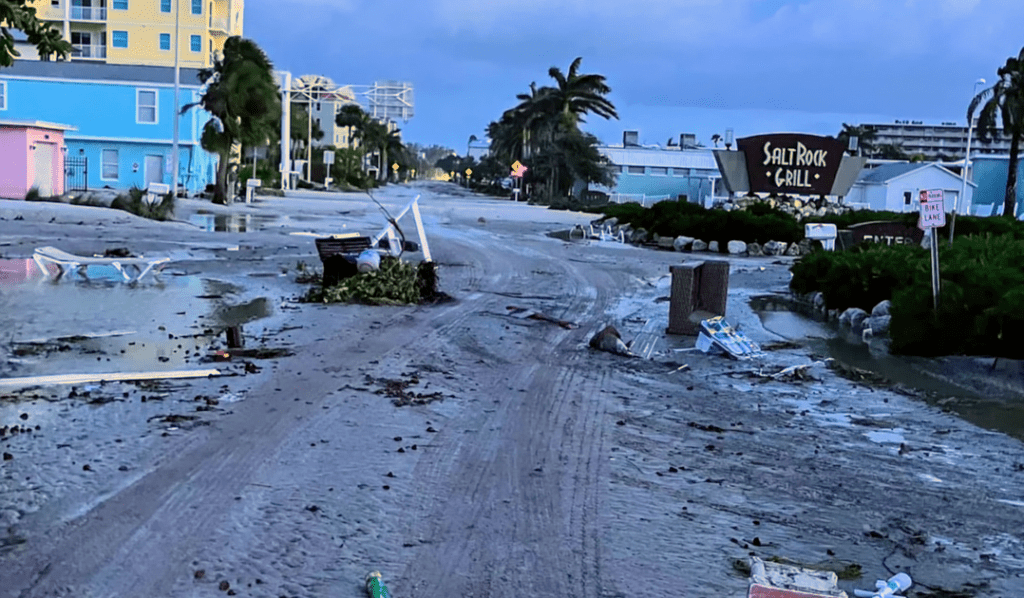
To support vulnerable communities hit hardest by past storms like Helene and Milton, organizations like the Community Development Corporation (CDC) of Tampa are stepping in. Their research shows that neighborhoods already dealing with food insecurity, housing shortages, and job loss were disproportionately affected.
In response, the American Red Cross is investing $1 million to launch Disaster Recovery Centers in East Tampa and St. Petersburg.
“Education is everything,” said Dr. Chamain Moss-Torres, COO of the CDC of Tampa. “These centers will help families prepare, recover, and access the support they need after a storm.”
Follow the St. Pete-Clearwater Sun on Facebook, Instagram, Threads, Google, & X
(Image credit: Getty Images)
PIE-Sun.com: local St. Pete-Clearwater news

 St. Pete-Clearwater Sun
Leave a comment