
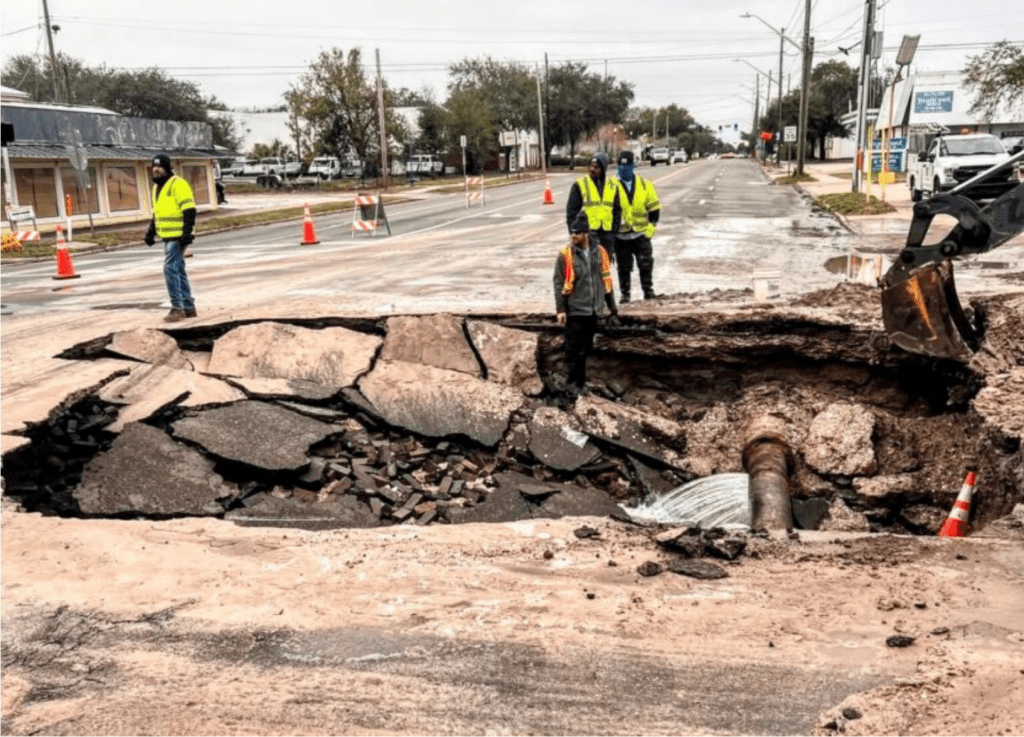
Most roads in St. Petersburg remain in satisfactory or good condition, but city officials say they’re falling behind in efforts to keep up with long-term deterioration — a challenge made worse by recent storms.
When the city conducted its first pavement condition assessment in 2019, 37 roadway segments were deemed failed. In 2024, that number dropped to just one. Officials presented the updated findings to city council members during a July 10 committee meeting.
Michael Gebler, senior capital projects coordinator, said the city aims to preserve 110 miles of pavement each year, but currently has the resources to maintain only 50.
“If we do 110 next year, that’s not going to help,” Gebler told council. “We’ve deferred a lot of maintenance over the past 10 years, and we need to catch up.”
The average citywide pavement condition score slightly declined from 75 in 2019 to 74.3 in 2024. A score of 55 or below is considered the critical threshold for full reconstruction. Nearly 1,500 roadway segments now fall into that category.
While road segments in serious or very poor condition have dropped significantly since the initial study, Gebler noted that the number of roads rated satisfactory has increased — while those rated good have decreased. “That tells us more roads are deteriorating faster than we can maintain them,” he said.
Once a road falls below the critical threshold, preservation is no longer an option. Reconstruction — which is significantly more expensive — becomes the only path forward.
To reduce costs, city engineers try to coordinate roadwork with other infrastructure upgrades. Brejesh Prayman, director of engineering and capital improvements, said aligning repaving with streetscaping and stormwater improvements can save money across departments.
However, rising costs are compounding the challenge. Material prices have nearly tripled since 2019. Updated design requirements — such as ADA-compliant curb ramps and added safety features for pedestrians and cyclists — have also slowed progress.
Gebler said these new standards, along with the city’s rapid growth, have contributed to completing less than half of the annual pavement preservation goal. Construction-heavy downtown projects bring in more heavy trucks, and more residents means more traffic — both accelerate wear and tear.
“We have aging infrastructure,” Gebler said. “A lot of roadway depressions are the result of that. And poor patchwork can fail in weeks or months.”
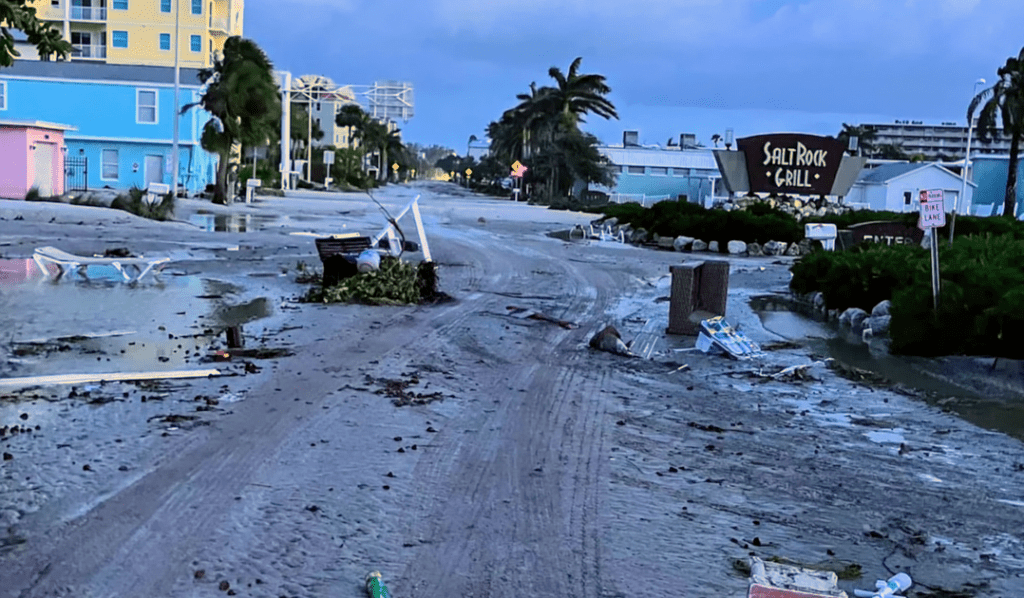
Storm and wastewater issues are also a factor for St. Pete Public Works. Since the fiscal year began in October 2024, residents have submitted over 1,500 repair requests — many from flood-prone areas repeatedly impacted during hurricane season.
Prayman noted that many of those roads were built in the 1920s using lime rock, which dissolves easily during flooding. The city now uses crushed concrete, which is more water-resistant but requires more prep work.
To better track road conditions, officials plan to update their pavement condition database annually. Prayman said this will help prioritize projects, manage storm impacts, and strengthen cases for FEMA reimbursements after major weather events.
Council Chair Copley Gerdes asked if FEMA could help fund regular roadway projects. Prayman responded that the city must first show a consistent pattern linking storm damage to roadway degradation.
Councilmember Mike Harting suggested allocating more money upfront to prevent higher costs down the road. Public Works Administrator Claude Tankersley estimated the city would need $18 million per year to meet its pavement preservation goals.
“We’re doing everything the right way,” Gebler said, “but we’re just missing that one piece — and right now, that’s the funding.”
Follow the St. Pete-Clearwater Sun on Facebook, Instagram, Threads, Google, & X
(Image credit: City of St. Petersburg)
PIE-Sun.com: local St. Pete-Clearwater news


 St. Pete-Clearwater Sun
Leave a comment