
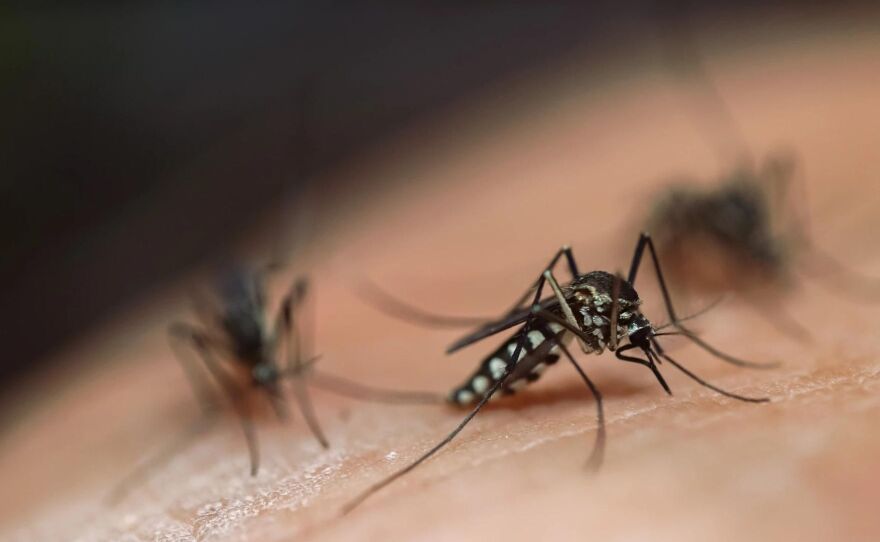
Coastal communities across Tampa Bay — particularly in places like Treasure Island — are battling a surge in mosquitoes this summer, and experts say recent hurricanes are to blame.
Flooding and debris left behind by Hurricanes Helene and Milton have created ideal breeding grounds for mosquitoes, with more than 40 species now buzzing through the region — including some not previously seen in the area.
“It’s not just neglected pools,” Laurie, a local resident, told WTVT. “It’s the standing water, the debris, the homes that still haven’t been repaired. Empty lots have been scraped, and now every time it rains, they turn into little lakes. You can’t even sit outside without getting swarmed.”
Officials with Pinellas County Mosquito Control confirmed an increase in mosquito reports, particularly around abandoned pools and storm debris.
“If a pump breaks or repairs are delayed, pools quickly become breeding sites,” said Alissa Berro of Mosquito Control. “And some homeowners just aren’t in a position to fix them right away.”
Counties including Pinellas are offering free services to help — residents can call Mosquito Control for assistance with standing water or out-of-service pools.
One natural line of defense? Mosquito fish — small native minnows that can consume up to 100 mosquito larvae per day.
“They’re incredibly effective,” Berro said. “They’re like mosquito specialists.”
Health officials also urge residents to:
- Drain standing water around homes
- Remove yard debris
- Report neglected pools and vacant properties
Taking action now, they say, can help stop a summer surge from turning into a full-blown health risk.
Follow the St. Pete-Clearwater Sun on Facebook, Instagram, Threads, Google, & X
(Image credit: parianto keraton/Getty Images/iStock)
PIE-Sun.com: local St. Pete-Clearwater news


 St. Pete-Clearwater Sun
Leave a comment