

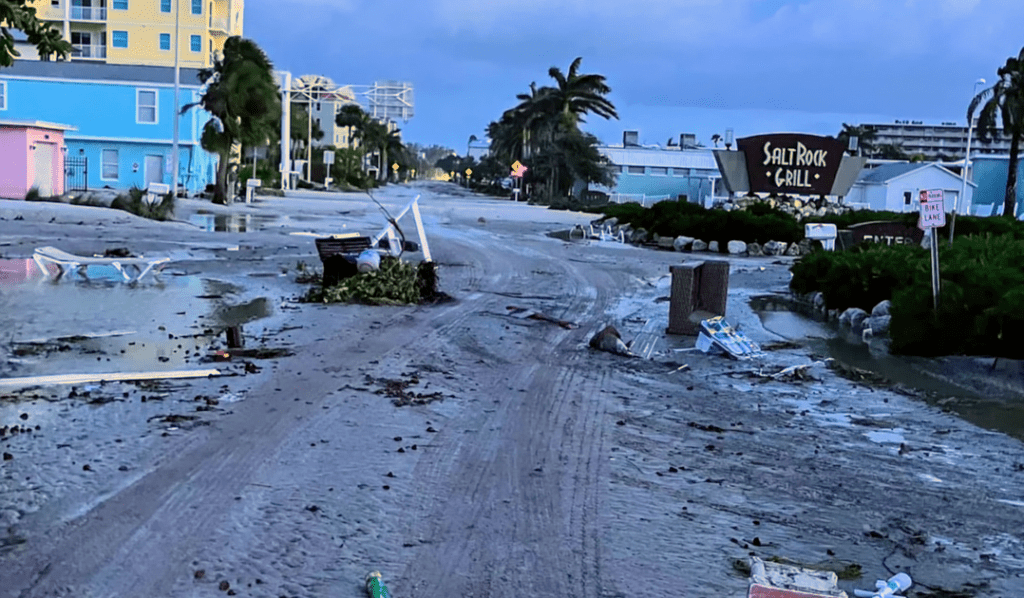
The St. Petersburg City Council has unanimously approved a sweeping $159.8 million federal disaster recovery plan to help the city rebuild from the devastating 2024 hurricane season. The vote came June 12 after a thorough discussion and public hearing on the “Sunrise St. Pete” initiative, which aims to address $1.68 billion in unmet storm-related needs.
Funded through reimbursements from the U.S. Department of Housing and Urban Development (HUD), the plan will inject support into housing, infrastructure, and hazard mitigation over the next six years. The city must initially front the money and submit expenses to HUD for reimbursement — a cash-flow challenge that concerned some council members.
“Where are we going to find the $159 million to front this money?” asked Councilmember Brandi Gabbard. Assistant City Administrator Tom Greene said reimbursement typically takes three days and that the city will manage spending gradually, with quarterly updates provided to a council committee and made available to the public online.
During the hearing, residents urged the city to simplify application processes and increase access to mental health services. One storm victim noted that while fees were waived for repairs, new construction still incurs permitting costs. Gabbard and Councilmember Gina Driscoll advocated for extending those waivers through June 30 and including permitting reimbursements in the plan.
“That’s the least we can do right now,” Driscoll said. Housing and Neighborhood Services Administrator Amy Foster responded that the city is seeking HUD guidance on whether such costs are reimbursable. “If we can do it, we absolutely will waive those fees,” she said.
The city plans to use a “no wrong door” system for intake, allowing storm victims to receive tailored support from case managers. Officials hope to partner with community groups and faith-based organizations to enhance outreach and cut red tape.
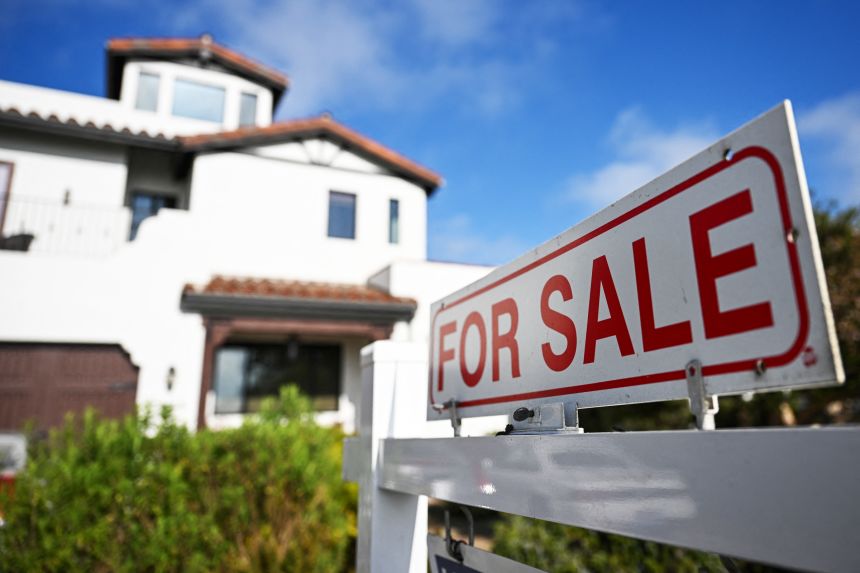
Of the $160 million, about $105 million will go toward housing, including $5 million for voluntary buyouts. Officials estimate that could fund the purchase of 14 damaged homes. Driscoll questioned the plan’s lack of support for small businesses, but Foster said existing local funds have been used for business relief, and the city continues to explore more options.
“We felt that our highest priorities were on the housing side, the infrastructure side, and then on the reimbursement side,” said City Administrator Rob Gerdes.
Eligibility for assistance will prioritize households earning up to 50% of the Area Median Income (AMI), especially those with seniors, disabled residents, or essential workers. Homeowners may receive up to $100,000 for repairs, $375,000 for reconstruction, and $50,000 in reimbursements for pre-plan expenses.
The city allocated $7.9 million for administrative costs — the maximum allowed by HUD — to fund staff for financial oversight, compliance, and community engagement. Foster said the figure could be adjusted after the action plan is submitted.
Council Chair Copley Gerdes praised city staff and consultants for laying the groundwork for what he called only the beginning of the recovery effort.
“I’m very much looking forward to getting this money out in the streets,” Gerdes said.
Residents can submit written feedback on the plan through June 23. More information is available on the city’s Sunrise St. Pete website.
Follow the St. Pete-Clearwater Sun on Facebook, Instagram, Threads, Google, & X
(Image credit: WTSP)
PIE-Sun.com: local St. Pete-Clearwater news

 St. Pete-Clearwater Sun
Leave a comment