
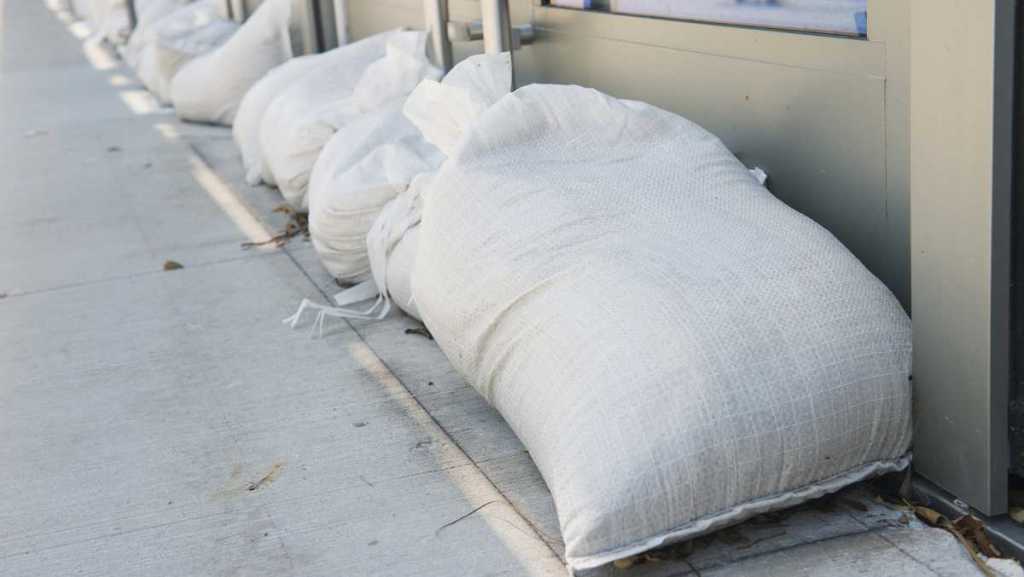
Largo resident Nancy Jones doesn’t live in a flood zone or evacuation area—but that didn’t stop her from picking up sandbags as hurricane season began.
“I’m not worried about major flooding, but when we get heavy rain and strong winds, water seeps in under the doors,” Jones told WUSF.
She joined many others at a Pinellas County sandbag giveaway on Friday, where residents were able to collect up to 10 free sandbags.
Andrea Moreira, a county emergency response officer, stressed the importance of early preparation.
“It’s much easier to get ready now than to wait until a storm is coming and deal with five-hour lines,” Moreira said.
Redington Shores resident Rick Townsley agreed. “We’re getting ready for any hurricanes that might come our way,” he said. “We’d rather be proactive than reactive.”
While Pinellas County does distribute sandbags when storms are imminent, officials encourage residents to take advantage of early giveaways to avoid the last-minute rush.
How to Use Sandbags Properly
Sandbags should be stored in a cool, dry place until needed. They’re most effective at blocking slow-moving floodwaters less than 15 inches deep. For best results, fill bags halfway and tie them at the top to allow for flexibility when laying them flat.
Before stacking sandbags, line entry points like doorways with plastic sheeting. A standard door typically requires about 10 sandbags, so residents with multiple entryways may need to attend more than one event.
Officials caution against relying solely on emergency events for sandbags, as supplies may be limited. Consider purchasing reusable flood protection options like water-activated barriers or flood gates from hardware stores or online.
After the Storm
Used sandbags should be handled carefully, as floodwaters may contain sewage, chemicals, or other hazardous materials. Wear gloves and a mask when cleaning up, and dispose of used bags at the Pinellas County Solid Waste Disposal Complex—not in household trash or yard waste.
Where to Get Sandbags
Sandbags are available year-round at the St. Petersburg Pavement and Traffic Operations Building, Monday through Friday and every second Saturday of the month.
During storm season, additional self-serve sites open across the county—but they close two days before expected landfall. Cities including Clearwater, Dunedin, Pinellas Park, Indian Rocks Beach, St. Pete Beach, and Belleair also offer sandbags ahead of major weather events.
Follow the St. Pete-Clearwater Sun on Facebook, Instagram, Threads, Google, & X
(Image credit: WESH)
PIE-Sun.com: local St. Pete-Clearwater news



 St. Pete-Clearwater Sun
Leave a comment