
The United States Postal Service is alerting customers to a rise in sophisticated scams, including “brushing” schemes and digital frauds like phishing and smishing.
According to postal officials, scammers are becoming more deceptive in their attempts to steal personal information through emails, texts, and unsolicited packages. USPS Postal Inspector Damien Kraebel said the agency continues to see a wide range of fraud types, including lottery scams, Publisher’s Clearinghouse impersonations, and romance cons.
“We’ve seen victims in our area fall prey to all kinds of scams,” Kraebel noted. “The tactics are constantly changing.”
Phishing emails and smishing text messages are among the most common methods. The USPS warns that fraudulent messages often pretend to be about tracking packages or confirming deliveries—but there are several warning signs to watch for.
“If the message includes a country code, especially from overseas, it’s not from the U.S. Postal Service,” Kraebel said. “We don’t send texts from places like the Philippines.” He also pointed out that poor grammar and spelling errors are common red flags, and legitimate USPS messages will never contain clickable links.
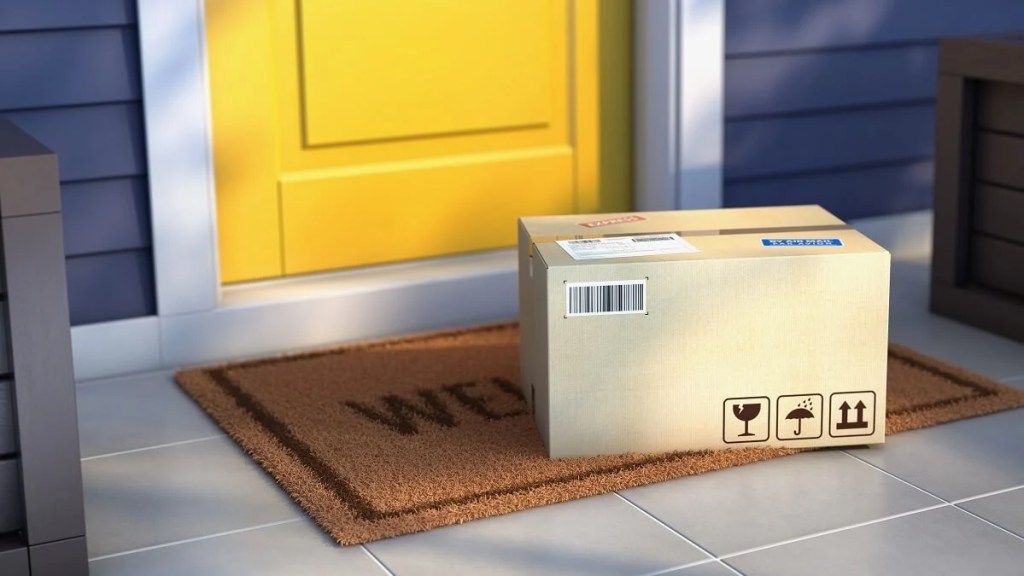
A growing concern is “brushing” scams. These involve fake sellers sending people unsolicited items, then using their information to post fake reviews in an effort to boost product rankings online.
“In some scams, like those mimicking Publisher’s Clearinghouse, victims receive fake phone calls or mailings that even include counterfeit checks,” Kraebel explained.
In response to rising mail-related crimes, the USPS launched Project Safe Delivery in 2023. In its first year, the initiative led to over 2,800 arrests and helped reduce letter carrier robberies by 27%.
Kraebel said scammers often target different demographics with tailored schemes—job scams for younger individuals, and romance or “honorary winner” scams aimed at seniors.
While it’s easy to become a victim, recovering stolen funds or information is rarely simple. “They certainly don’t make it easy,” Kraebel said. “And the international nature of these scams makes prosecution even harder.”
If you suspect you’ve been targeted, officials recommend monitoring your credit, requesting annual credit reports, and freezing your credit if necessary.
The USPS urges customers to report scam emails by forwarding them to spam@uspis.gov and to report scam texts by sending them to 7726 (SPAM).
Follow the St. Pete-Clearwater Sun on Facebook, Instagram, Threads, Google, & X
(Image credit: iStock)
PIE-Sun.com: local St. Pete-Clearwater news



 St. Pete-Clearwater Sun
Leave a comment