
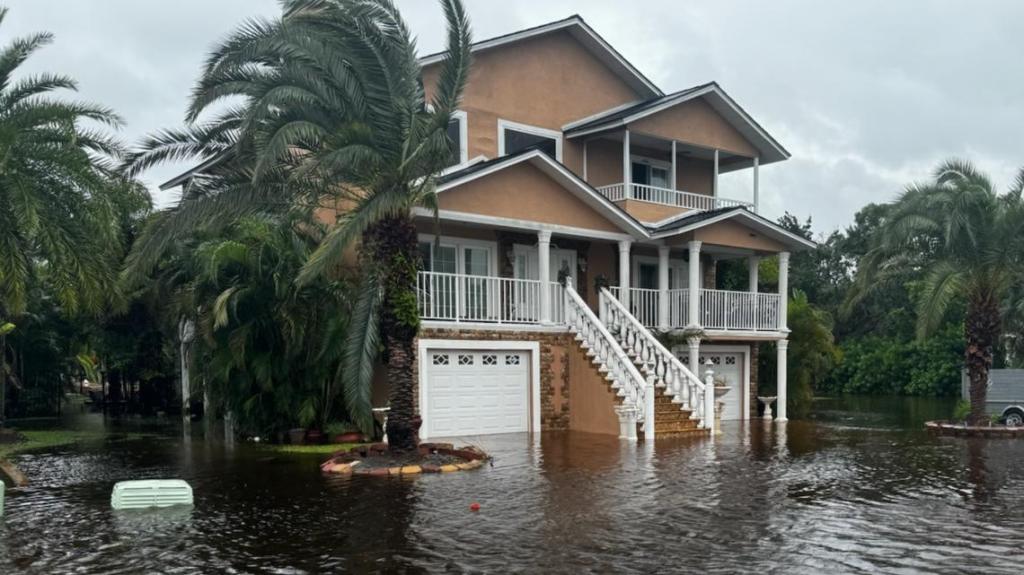
When Hurricane Helene tore through Hudson, Florida last year, Steve Papola’s home was no match for the floodwaters. Seven feet of storm surge devastated the property—warping wood floors, soaking drywall, and frying the electrical system.
Determined not to relive the destruction, Papola is now rebuilding with resilience in mind.
Helene became the deadliest U.S. hurricane since Katrina, and just weeks later, Hurricane Milton dumped over 18 inches of rain across parts of Florida, compounding the damage inland. As this year’s hurricane season begins, anxiety is rising for residents from North Carolina to Florida—many of whom are still reeling from last year’s storms.
“My wife watches the weather every day,” Papola told WUSF. “She’s listening to the weatherman intently.”
So, what can you do now to protect your home from future flooding? Here’s what experts and storm survivors like Papola recommend.
Know the Risk—and Accept It’s Growing
Papola’s neighborhood took on four feet of storm surge. His experience reflects a broader trend: climate change is making hurricanes wetter and flooding more widespread—even away from the coast.
More intense rainstorms, aging drainage systems, and rising rivers are contributing to inland flood threats. NASA reports that the global population in flood-prone areas has surged up to 24% since 2000—ten times faster than previously thought.
Federal forecasters expect an above-average 2025 hurricane season, with 13 to 19 named storms and as many as five major hurricanes.
Use Smarter Materials
After a flood, floors and drywall are often a total loss. To minimize future damage, many homeowners are ditching carpet and wood in favor of ceramic or porcelain tile. These materials resist water and are easier to clean—though coastal mud can make the process messier.
Drywall acts like a sponge during floods and can harbor mold if not removed quickly. Cement board, a sturdier and water-resistant alternative, can be dried out and reused. Wooden baseboards? Replace them with PVC to avoid warping and rot.
Elevate—If You Can
Raising an entire home is costly—usually starting around $200,000—but it’s mandatory in some flood zones. FEMA guidelines require homes be built or elevated at least one foot above base flood elevation, and some Florida neighborhoods are lifting houses 15 to 20 feet on concrete pilings.
Programs like Elevate Florida have helped homeowners offset these costs, covering up to 75% of elevation expenses earlier this year.
Don’t forget to elevate inside your home, too. Moving electrical outlets higher on the walls can prevent shorts or fires during flooding.
Invest in Flood Insurance
If you live—or rent—in a flood-prone area, you’ll need more than hope and duct tape. Homeowners and renters alike should consider flood insurance, as standard policies don’t cover water damage from hurricanes.
It’s not cheap, but it can be the difference between recovery and financial ruin. Rebuilding Papola’s home after Helene cost an estimated $145,000. Fortunately, he had flood insurance to cover most of it. Elevating the home, however, will be an additional cost.
“The water is not a game for the middle class or lower-middle class unless you’re insured and prepared to handle the fallout,” he says.
Weigh the Costs of Resilience
Upgrading your home for flood protection is rarely cheap. Cement board can cost more than twice as much as drywall. Tile flooring also comes with higher material and installation costs.
Raising electrical outlets, Papola says, cost him between $4,000 and $5,000.
But the cost of doing nothing? It could be even higher.
With stronger storms and rising flood risks, preparing your home now could save you from heartbreak—and a hefty price tag—later.
Follow the St. Pete-Clearwater Sun on Facebook, Instagram, Threads, Google, & X
(Image credit: WTSP)
PIE-Sun.com: local St. Pete-Clearwater news


 St. Pete-Clearwater Sun
Leave a comment