
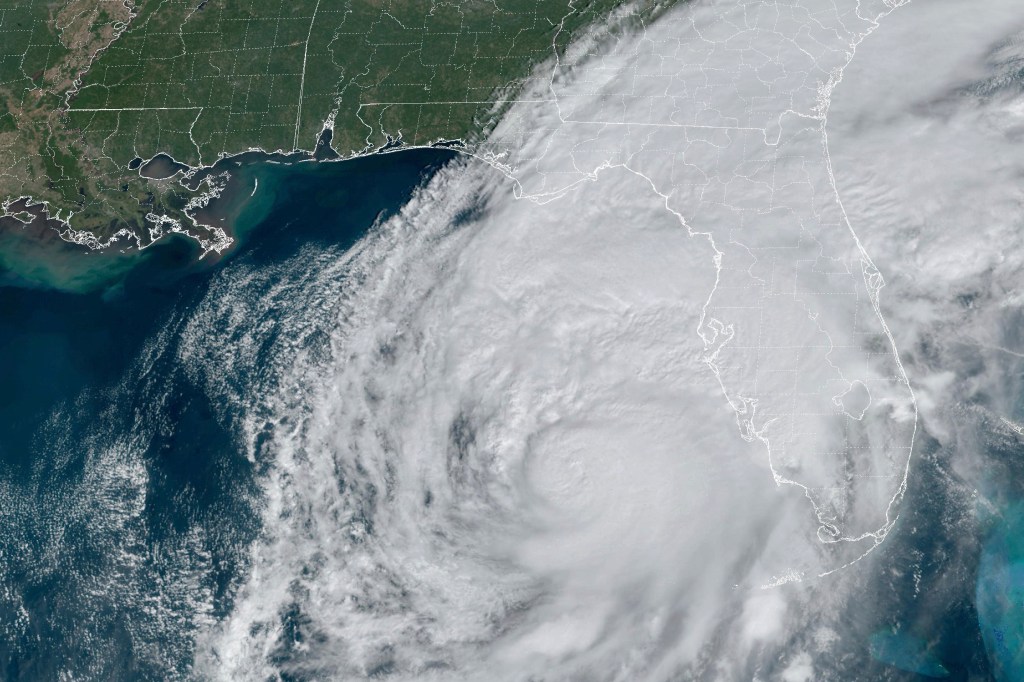
As the 2025 hurricane season approaches, residents of the Tampa Bay region, particularly in Pinellas County, are bracing for what forecasters predict could be another active year. After the devastating impacts of Hurricanes Helene and Milton in 2024, which caused unprecedented flooding, widespread power outages, and billions in damages across the region, local officials and residents are on high alert. Here’s what to expect for the 2025 hurricane season, which officially began on June 1 and continues until November 30.
A Potentially Active Season
The National Oceanic and Atmospheric Administration (NOAA) has forecasted an above-average 2025 Atlantic hurricane season, predicting 15-21 named storms, with 7-10 becoming hurricanes and 3-5 reaching major hurricane status (Category 3 or higher). Warm ocean temperatures in the Atlantic and Gulf of Mexico, combined with a lingering La Niña pattern, are expected to fuel storm development. For Pinellas County, located on Florida’s vulnerable Gulf Coast, this heightened activity raises concerns about storm surges, coastal flooding, and wind damage.
Lessons from Helene and Milton
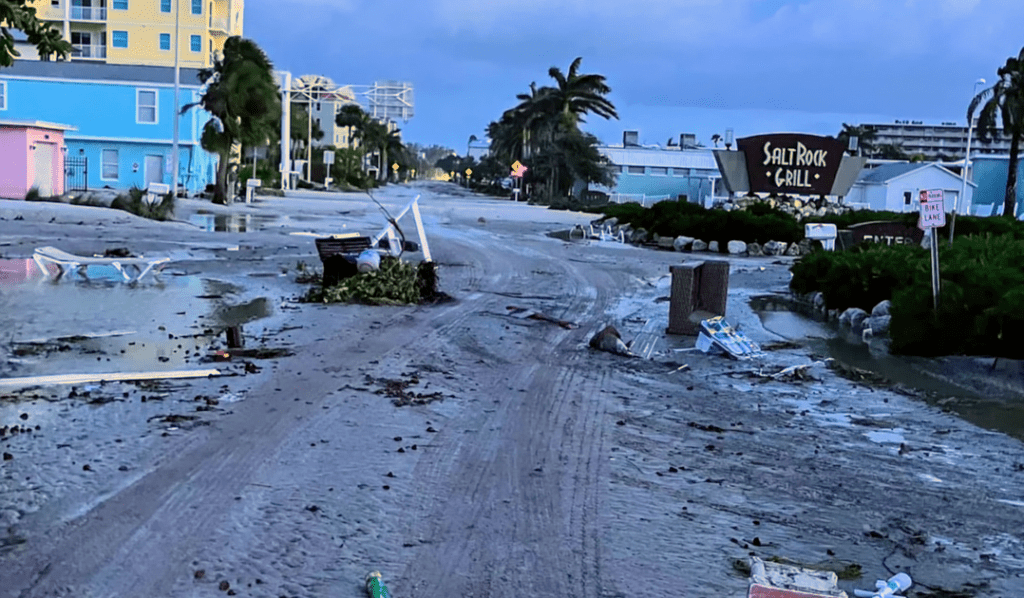
Hurricanes Helene and Milton left Pinellas County reeling in 2024. Helene, a Category 4 storm, brought historic storm surges of up to 8 feet in some areas, flooding coastal communities like St. Pete Beach and Treasure Island. Milton, striking shortly after, compounded the damage with powerful winds and additional flooding, destroying homes, businesses, and infrastructure. Early estimates suggest the combined economic toll in Pinellas County alone exceeded $2 billion, with thousands of residents displaced and recovery efforts still ongoing.
The storms exposed vulnerabilities in the region’s infrastructure, particularly in low-lying areas and aging drainage systems. Local officials are now prioritizing improvements, including reinforced sea walls, updated flood maps, and enhanced evacuation protocols. However, experts warn that recovery from 2024 will stretch into 2025, leaving some communities more exposed to new storms.
Key Preparations for 2025
Pinellas County officials are urging residents to take proactive steps to prepare for the upcoming season. Here are key recommendations:
- Know Your Risk: Pinellas County’s coastal location makes it highly susceptible to storm surges and flooding. Residents should check updated flood zone maps, available through the county’s website, to understand their property’s risk level. Evacuation zones, particularly A and B, were heavily impacted in 2024 and may face similar threats.
- Stock Up Early: Build an emergency kit with at least a week’s worth of food, water, medications, and supplies. After last year’s storms, shortages of essentials like batteries, tarps, and generators were common. Local hardware stores and emergency management offices are offering preparedness workshops throughout May and June.
- Strengthen Your Property: Homeowners are encouraged to inspect roofs, secure outdoor items, and consider storm shutters or impact-resistant windows. Pinellas County is offering grants for low-income households to make hurricane-resistant upgrades, funded through federal relief programs.
- Stay Informed: Sign up for Alert Pinellas, the county’s emergency notification system, to receive real-time updates on storm warnings and evacuation orders. During Helene and Milton, timely alerts saved lives by prompting early evacuations.
- Plan for Evacuation: Identify evacuation routes and shelters in advance. In 2024, traffic congestion on major roads like I-275 delayed some evacuations, highlighting the need for early action. Pets should also be included in evacuation plans, with pet-friendly shelters listed on the county’s website.
Community and Government Response
Pinellas County is investing heavily in resilience projects for 2025. The county has secured $150 million in state and federal funding to repair infrastructure damaged by Helene and Milton, including beach renourishment and drainage system upgrades. Local municipalities are also revising building codes to require higher elevations for new constructions in flood-prone areas.
Long-Term Outlook
Experts note intensifying hurricane seasons, with warmer waters fueling stronger and wetter storms. For Tampa Bay, this means a higher likelihood of rapid intensification, as seen with Milton, which escalated from a tropical storm to a Category 5 hurricane in under 48 hours. Rising sea levels are also exacerbating storm surges, putting Pinellas County’s barrier islands and coastal neighborhoods at greater risk.
A Call to Action
As the 2025 hurricane season looms, Pinellas County residents are urged to act now. Helene and Milton showed residents how quickly things can change. So, preparation is the best defense. With forecasts pointing to another active season, the Tampa Bay region is rallying to rebuild stronger and smarter, ensuring that lessons from 2024 pave the way for a more resilient future.
For more information on hurricane preparedness, visit www.pinellascounty.org/emergency or follow Alert Pinellas for updates.
Follow the St. Pete-Clearwater Sun on Facebook, Instagram, Threads, Google, & X
(Image credit: NOAA via AP)
PIE-Sun.com: local St. Pete-Clearwater news

 St. Pete-Clearwater Sun
Leave a comment