
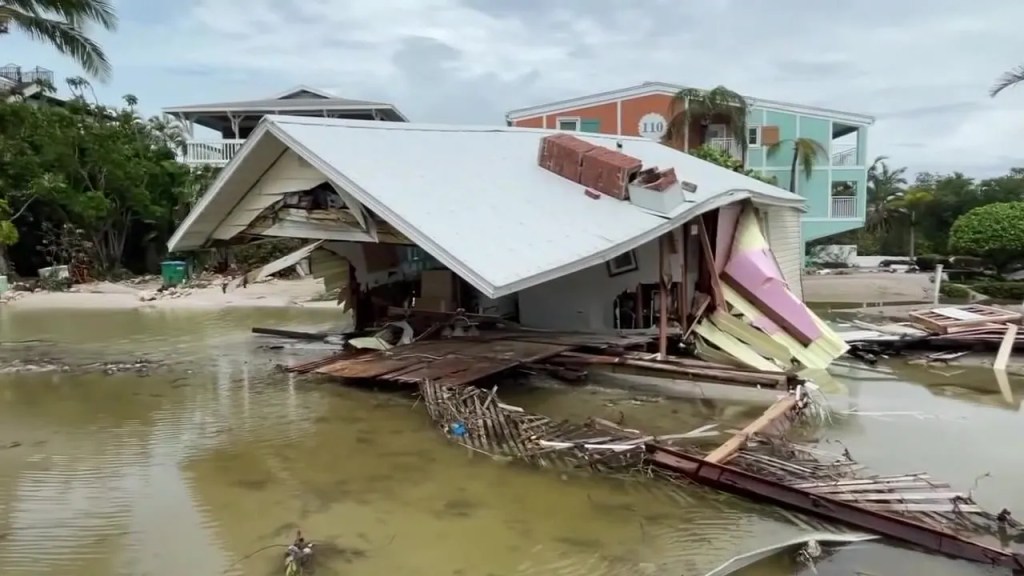
Residents of St. Petersburg have until June 23 to provide feedback on a draft action plan outlining how the city intends to use $159 million in federal disaster recovery funds following Hurricanes Idalia and Helene.
The funds come from the U.S. Department of Housing and Urban Development’s Community Development Block Grant – Disaster Recovery (CDBG-DR) program. The draft plan prioritizes housing, proposing to allocate $105 million—about 66% of the total—to initiatives such as home elevation, down payment and purchase assistance, and a voluntary buyout program. Another $25 million is earmarked for infrastructure improvements aimed at flood mitigation.
“While housing remains the City’s primary recovery priority, strategic infrastructure investments—and complementary public services—are crucial to ensuring a resilient and sustainable recovery across St. Pete,” the draft states.
The funding is intended for residents most affected by the hurricanes, including those in Shore Acres, a neighborhood hit hard by both storms. According to the plan, more than 1,200 homes in Shore Acres were flooded during Hurricane Idalia in 2023.
Barry Rubin, a long-time Shore Acres resident, recalled the devastating aftermath of Hurricane Helene.
“Helene was the first time I ever experienced real damage from flooding,” he said. “It was utter chaos. Absolute destruction.”
Since then, Rubin has been repairing his home. “We just had a new kitchen installed,” he shared, though repairs are ongoing as another hurricane season looms. “I’m nervous—always nervous. I care deeply about our community.”
Others in the neighborhood are advocating for a shift in priorities. Kevin Batdorf, president of the Shore Acres Civic Association, believes more funding should go toward infrastructure rather than housing.
“Our position is that this money should go strictly to fixing infrastructure,” Batdorf said. “We can reduce the need for housing aid by preventing the flooding in the first place.”
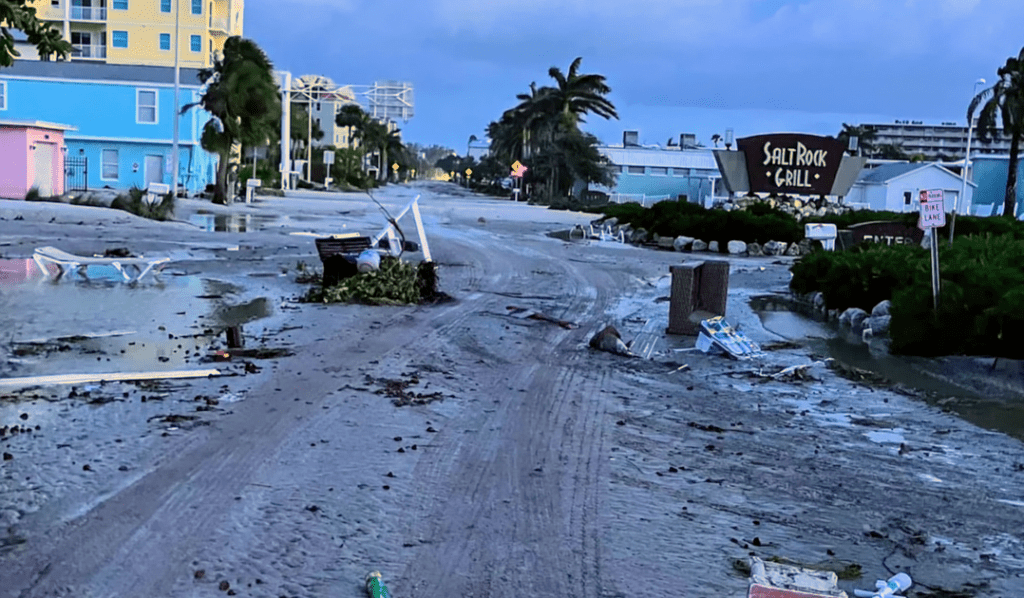
He pointed to a recent example—flooded streets in Shore Acres on a sunny day with no rain, storm, or high tide. “That shouldn’t happen,” Batdorf said. “That needs to be fixed.”
According to the city, HUD guidelines require that funding allocations reflect the greatest unmet needs, which were found to be housing-related. Additionally, at least 70% of the funds must benefit low-to-moderate income residents.
The draft action plan, available in English and Spanish, along with details on how to submit public comments and attend meetings, can be found on the city’s website at: stpete.org/government/initiatives___programs/sunrise_st_pete.php
Follow the St. Pete-Clearwater Sun on Facebook, Instagram, Threads, Google, & X
(Image credit: WTVT)
PIE-Sun.com: local St. Pete-Clearwater news

 St. Pete-Clearwater Sun
Leave a comment