
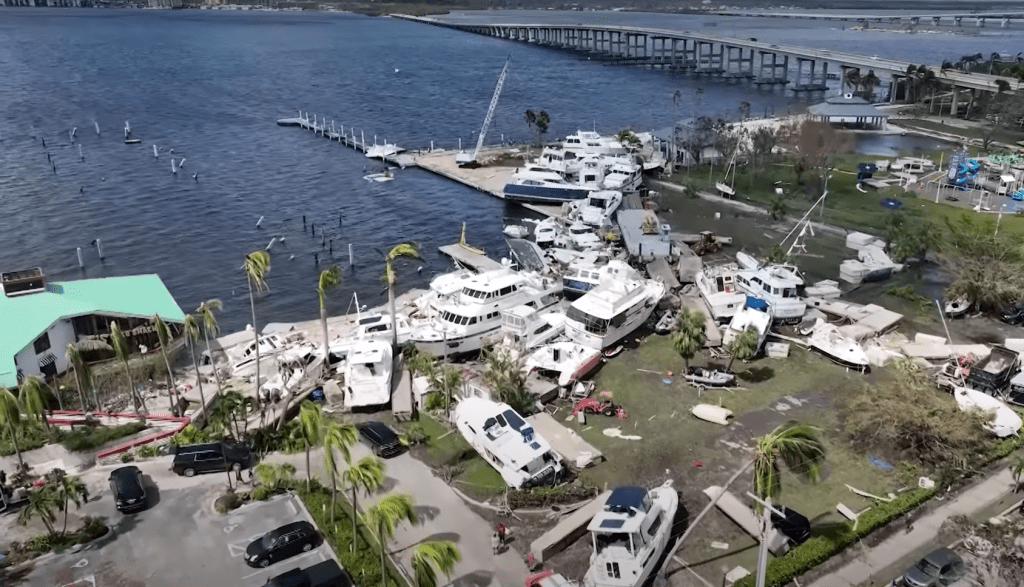
With hurricane season just days away and federal forecasters predicting another above-average year, Florida lawmakers have passed a sweeping new bill aimed at improving disaster recovery efforts statewide. However, some officials warn the measure could actually hinder local resiliency planning.
The legislation, Senate Bill 180, is designed to support rebuilding efforts after major storms and strengthen local disaster preparedness. While the bill passed both chambers, it faced pushback over language that critics say could restrict how local governments respond after a hurricane.
“I believe this will make our state more resilient and help those still recovering from a very difficult hurricane season,” said Rep. Fiona McFarland (R-Sarasota), a bill sponsor. She acknowledged the bill isn’t perfect but praised the collaboration behind it.
Still, concerns emerged during committee discussions, particularly around provisions that could limit updates to local disaster recovery plans and comprehensive emergency management strategies.
“While there are many positive elements in this bill, I think there’s more work to be done,” said Rep. Linda Chaney (R-St. Pete Beach). She’s especially troubled by language that may prevent municipalities from strengthening their storm recovery policies.
“It’s essentially telling local governments they can’t modify their disaster plans to be more restrictive—even when they’re just miles from a storm’s path,” Chaney said. Coastal counties, she added, are especially wary of the potential unintended consequences.
Those concerns were echoed by Matthew Singer of the Florida League of Cities, which represents over 400 municipalities across the state.
“If a city tries to upgrade its drainage system or greenlight a new project after a storm, it could face legal challenges from opponents who claim it’s too burdensome,” Singer said. “That could delay recovery and stall critical improvements.”
Despite the controversy, supporters say each hurricane season brings new lessons, and they’re committed to ongoing collaboration with residents and local governments to refine policy moving forward.
Governor Ron DeSantis has yet to sign the bill, but is widely expected to approve it. A veto is considered unlikely by state lawmakers.
Follow the St. Pete-Clearwater Sun on Facebook, Instagram, Threads, Google, & X
(Image credit: News Service of Florida)
PIE-Sun.com: local St. Pete-Clearwater news


 St. Pete-Clearwater Sun
Leave a comment