
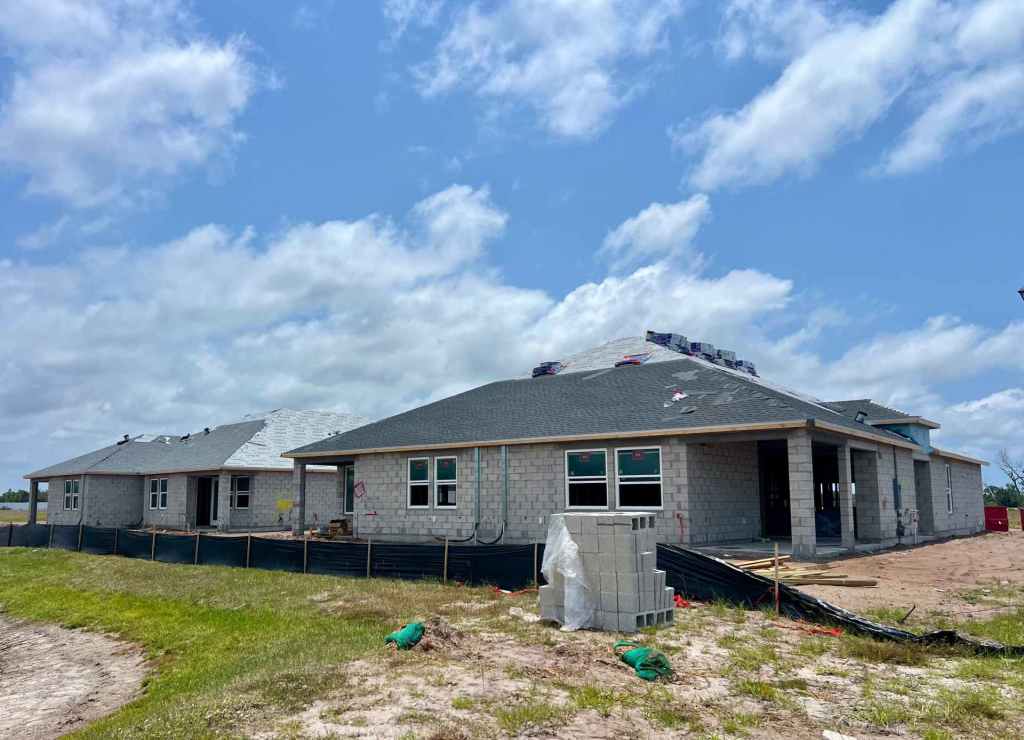
As special development districts continue to expand across Florida’s Suncoast, public officials are sounding the alarm about the potential hidden costs and limited homeowner control tied to these communities. Critics warn that many buyers don’t fully understand the financial and governance structures they’re entering — until it’s too late to push back.
Prompted by a recent Suncoast Searchlight investigation, which uncovered widespread concerns about developer-dominated community development districts (CDDs), state and local officials say the findings are troubling — though few are calling for sweeping reforms. The investigation revealed patterns of increasing fees, minimal resident oversight, and a ballooning number of these districts popping up across the region.
“Buyer beware,” became the dominant refrain from lawmakers and county commissioners interviewed. Many admitted they would never choose to live in one of these districts themselves.
“I didn’t realize how widespread these development districts have become, especially here on the West Coast,” said Sarasota County Commissioner Tom Knight. “Of course I’m concerned — we could end up with unsustainable communities or empty developments.”
Despite widespread defaults during the Great Recession, the number of CDDs has surged. Over the last five years alone, $2.9 billion in public bonds have been issued by local districts stretching from Parrish to North Port. While these funds support neighborhood infrastructure, the districts are typically governed by the very developers who created them — often for years — leaving homeowners without a vote or voice.
According to the investigation, more than 90% of newly formed districts in the past decade remain under developer control. Developers finance infrastructure with public bonds but retain significant authority, shaping how residents repay those costs.
“These districts were likely created with good intentions,” said Knight. “But now they’ve become a tool developers exploit.”
The Searchlight story sparked heated discussions in neighborhood Facebook groups, especially in Parrish, where some homeowners expressed shock at the system’s scope and questioned how they could regain control of their communities.
Patrick Johansen, founder of the national HOA Reform Leaders group, said the findings underscore the need for legislative intervention.
“This system is incredibly easy to abuse,” Johansen warned. “Developers essentially run mini-governments — and they don’t give up power easily.”
Johansen’s group has drafted proposed legislation to give more rights to residents, but those efforts have met resistance. Powerful lobbying by developers, district managers, and attorneys has stalled reform, leaving homeowners with few options beyond expensive legal battles.
Even some state lawmakers are wary. Sen. Joe Gruters, R-Sarasota, acknowledged he wouldn’t personally live in a CDD. Still, he said the demand from buyers suggests the real estate market is functioning — albeit with caveats.
“Special districts serve a purpose,” Gruters said. “But buyers need to go in with their eyes wide open. These are like local governments — and once you’re in, you’re subject to their decisions.”
Gruters also noted the rising fees and unchecked spending in some districts clash with the low-tax principles he promotes. He urged residents to elect fiscally responsible board members once control transitions from developers to homeowners.
State Rep. Danny Nix Jr., R-Port Charlotte, has proposed changing when residents can take control of a CDD board in the West Villages Stewardship District, a move that sparked backlash from local residents. Nix declined to comment for this story, but previously told a legislative committee that reform is needed to avoid drawn-out legal disputes between developers and homeowners.
“These fights hurt communities,” Nix said. “We want to give residents a path to resolution.”
Originally created in the 1980s to help cash-strapped counties fund infrastructure, CDDs are now widely used to support suburban sprawl. But critics say they increasingly shift infrastructure burdens away from counties and onto unwitting homebuyers.
Manatee County Commissioner Tal Siddique called them a “useful tool” in some contexts — allowing targeted funding for neighborhood improvements. But he cautioned that they’ve contributed to unchecked growth in areas like Parrish, where infrastructure hasn’t kept up.
“It’s a deflection of responsibility,” Siddique said. “Previous commissions didn’t want to fund infrastructure in certain areas, so they punted to CDDs. But CDDs don’t pay for roads outside the gates. That burden still falls on the rest of the county.”
Follow the St. Pete-Clearwater Sun on Facebook, Instagram, Threads, Google, & X
(Image credit: Suncoast Searchlight)
PIE-Sun.com: local St. Pete-Clearwater news

 St. Pete-Clearwater Sun
Leave a comment