
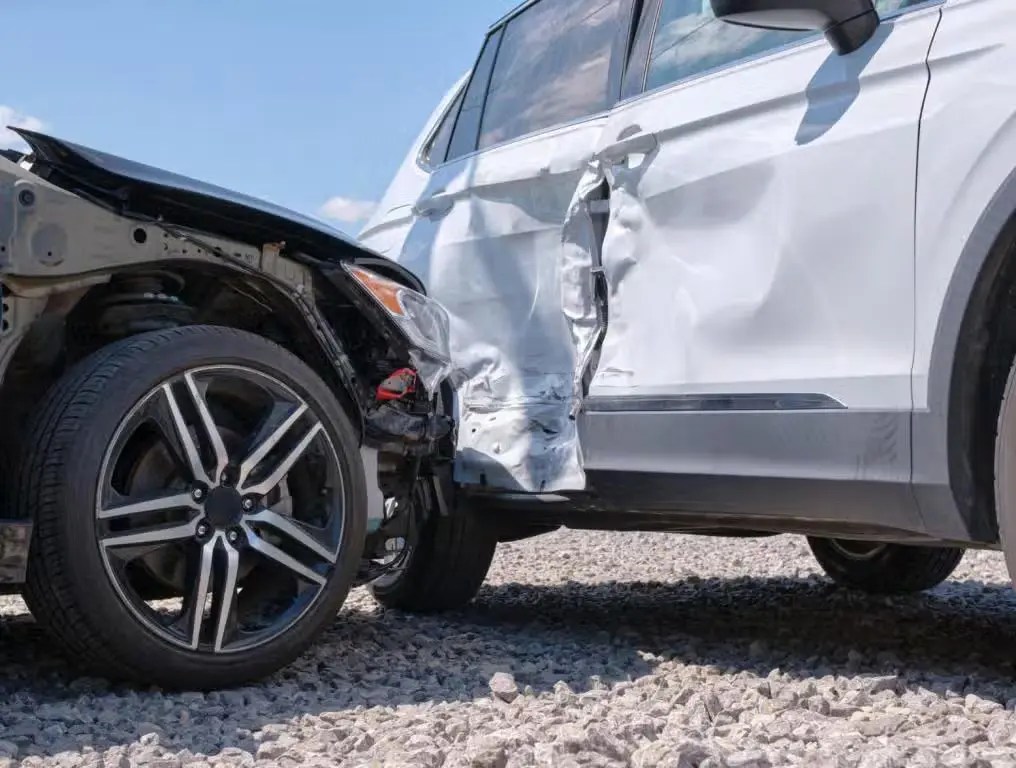
Despite extending the state legislative session until June, the Florida House and Senate won’t take up HB 1181 this year—and that’s probably a good thing for the pocketbooks of Sunshine State residents. (At least, that’s the contention of some. Others who sponsor the legislation would argue otherwise.)
Floridians are required to carry car insurance, as is the case in many states. However, auto insurance rates across the peninsula are among the highest in the country. This is why lawmakers introduced bills to lower vehicle insurance, though the proposals have been indefinitely postponed in the 2025 session.
What Would Happen if Florida Switches from No-Fault to At-Fault Insurance?
Florida currently operates under a no-fault auto insurance system, requiring drivers to carry Personal Injury Protection (PIP) coverage to pay for their own medical expenses and lost wages after an accident, regardless of who caused it. However, discussions about switching to an at-fault system—where the at-fault driver’s insurance covers damages—have surfaced. Such a change would significantly impact Florida drivers, reshaping costs, legal processes, and road safety.
In a no-fault system, PIP ensures quick medical payments, reducing lawsuits since drivers rely on their own insurance. Florida mandates $10,000 in PIP coverage, but this often falls short for serious injuries, leaving drivers to seek additional compensation through lawsuits if damages exceed policy limits. An at-fault system would shift responsibility to the liable driver’s insurer, requiring Bodily Injury Liability (BIL) coverage, which Florida currently doesn’t mandate for all drivers.
If Florida adopts an at-fault system, drivers would likely need to purchase BIL coverage, increasing insurance premiums. Studies from states with at-fault systems, like California, show higher premiums due to liability coverage requirements, though costs vary based on driving records and coverage limits. Florida’s high accident rate—over 400,000 crashes annually—could exacerbate premium hikes, especially for high-risk drivers. However, drivers with clean records might see lower costs if they avoid accidents, as their premiums wouldn’t subsidize others’ claims as much as in a no-fault system.
The legal landscape would also change. No-fault systems limit lawsuits by setting thresholds for “serious” injuries, but at-fault systems allow more claims against negligent drivers. This could increase litigation in Florida, where courts already handle thousands of auto-related cases. Drivers might face higher legal costs or need additional coverage, like uninsured/underinsured motorist protection, to guard against drivers who lack sufficient insurance—a persistent issue in Florida, where 20% of drivers are uninsured.
Road safety could improve under an at-fault system. Drivers might drive more cautiously, knowing their insurance rates and legal liability hinge on fault. Data from at-fault states shows slightly lower accident rates when liability incentivizes safer driving. However, Florida’s unique challenges, like heavy tourism and congested roads, might limit this effect.
For drivers, the switch would mean weighing higher premiums against potential savings from avoiding fault. Those with strong driving records could benefit, while frequent offenders might face steep costs. Low-income drivers, already strained by Florida’s high insurance rates (averaging $2,500 annually), could struggle with mandatory BIL coverage. The transition might also prompt insurers to offer more competitive plans, but initial adjustments could disrupt the market.
Moving to an at-fault system would likely raise premiums, increase lawsuits, and potentially encourage safer driving in Florida. While some drivers might save money, others could face financial strain. To make the transition equitable, policymakers would need to address uninsured drivers and ensure affordable coverage.
Follow the St. Pete-Clearwater Sun on Facebook, Instagram, Threads, Google, & X
(Image credit: Getty Royalty Free)
PIE-Sun.com: local St. Pete-Clearwater news


 St. Pete-Clearwater Sun
Leave a comment