
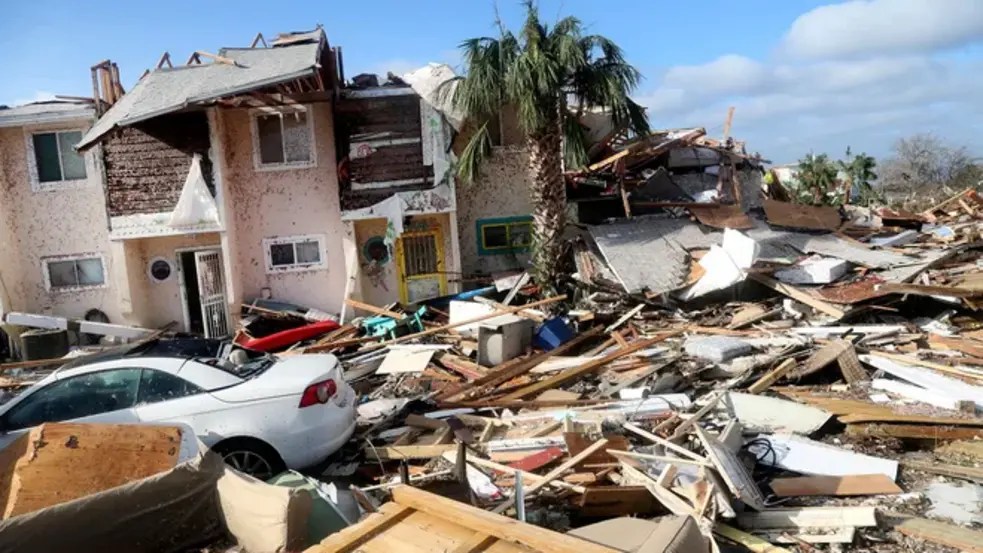
A comprehensive proposal aimed at improving hurricane readiness and recovery is making progress in the Florida House, just one day after the Senate passed its own version of the legislation.
On Thursday, the House Transportation & Economic Development Budget Subcommittee approved the bill (HB 1535), which outlines responsibilities for local governments in areas such as construction regulations and debris removal following storms. It also includes provisions to address potential disruptions to elections during hurricane season.
Rep. Fiona McFarland, R-Sarasota, who is sponsoring the bill, said she expects the measure to evolve as it heads to the House State Affairs Committee. If approved there, it will be ready for a vote by the full House.
The House and Senate versions of the bill differ in some areas. The Senate’s version (SB 180), sponsored by Sen. Nick DiCeglie, R-Indian Rocks Beach, passed unanimously and places a strong emphasis on preparing for future disasters by streamlining debris management and permitting processes.
“I think giving local governments the tools to work closely with the Division of Emergency Management will make a big difference in preparedness,” DiCeglie said. “We ask residents to stock up on supplies ahead of June 1 — this does the same for local governments.”
Both versions would require local governments to pre-designate at least one site for debris management each year, create permitting plans for post-storm repairs, establish mutual-aid agreements for emergency assistance, and prepare staffing plans for storm recovery.
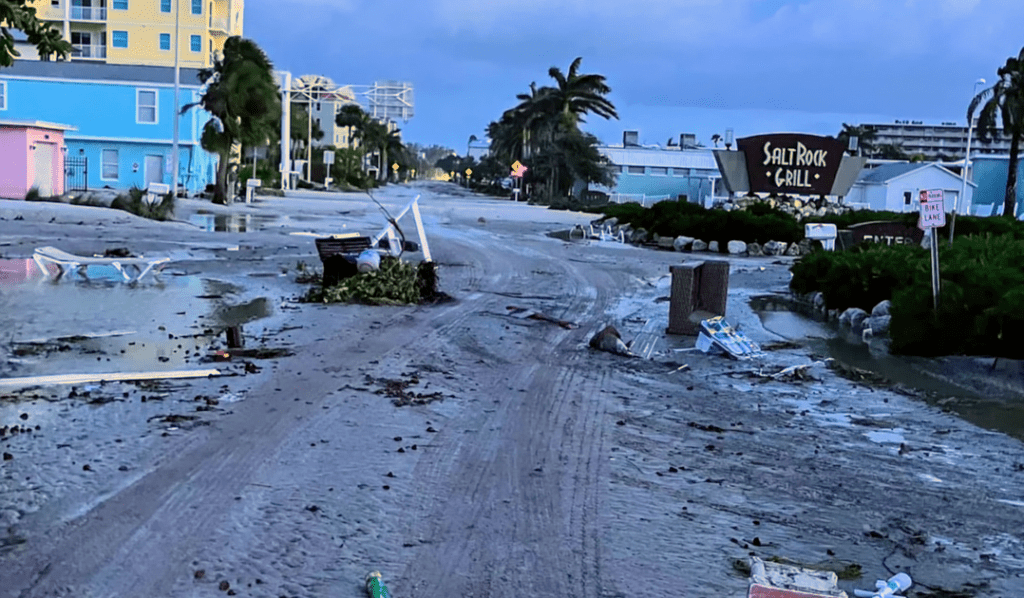
Local governments would also be prohibited from increasing building permit and inspection fees for 180 days following a declared hurricane or tropical storm emergency.
The Senate bill includes a directive for the Department of Environmental Protection to waive or reduce local financial match requirements for beach restoration projects resulting from 2024 storm damage caused by hurricanes Debby, Helene, or Milton.
Given that hurricane season overlaps with Florida’s election cycle, lawmakers are also working to ensure election operations can adapt in the aftermath of storms. Updates to the House bill now allow county election supervisors to request state approval for emergency changes such as relocating early voting sites, extending early voting, offering Election Day voting at early sites, mailing ballots to displaced voters, and relaxing rules on poll worker eligibility.
“Currently, these decisions require an emergency order,” McFarland said. “We want to empower local supervisors—those who know their precincts best—to develop proactive plans.”
The legislation also aims to improve safety during storm preparations. It would require cranes and hoisting equipment to be secured at least 24 hours before a hurricane is expected to strike, following manufacturer guidelines, including removing signage, lowering fixed booms, or placing equipment in a “weathervane position.”
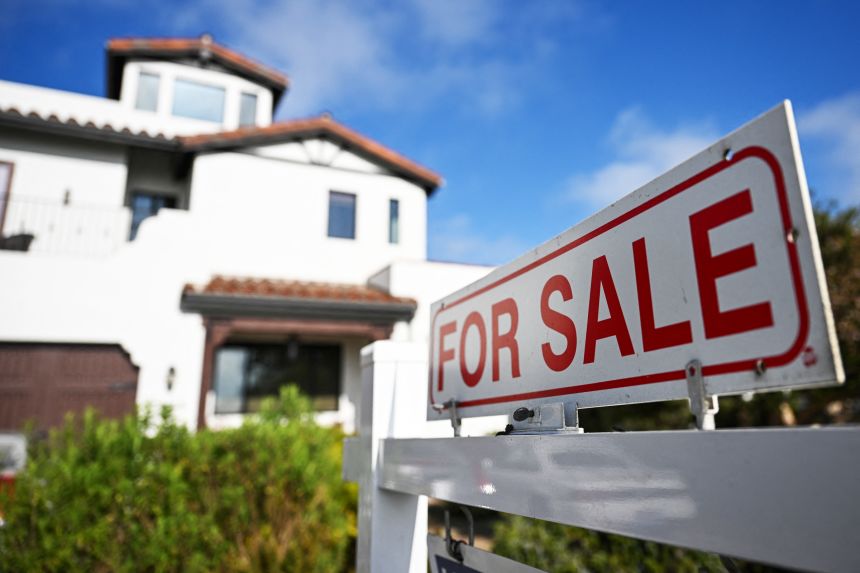
To support rebuilding efforts, the House bill includes several measures to assist homeowners. It would allow residents to reconstruct their homesteads up to 130% of the original size without triggering increased property taxes. It also prohibits local governments, school districts, and special districts from charging impact fees on rebuilding projects that don’t alter prior land use designations.
Additionally, counties under federal disaster declarations from last year’s hurricanes would be barred from imposing moratoriums that could delay the rebuilding of damaged properties through October 1, 2027.
Follow the St. Pete-Clearwater Sun on Facebook, Instagram, Threads, Google, & X
(Image credit: The News-Press)
PIE-Sun.com: local St. Pete-Clearwater news

 St. Pete-Clearwater Sun
Leave a comment