
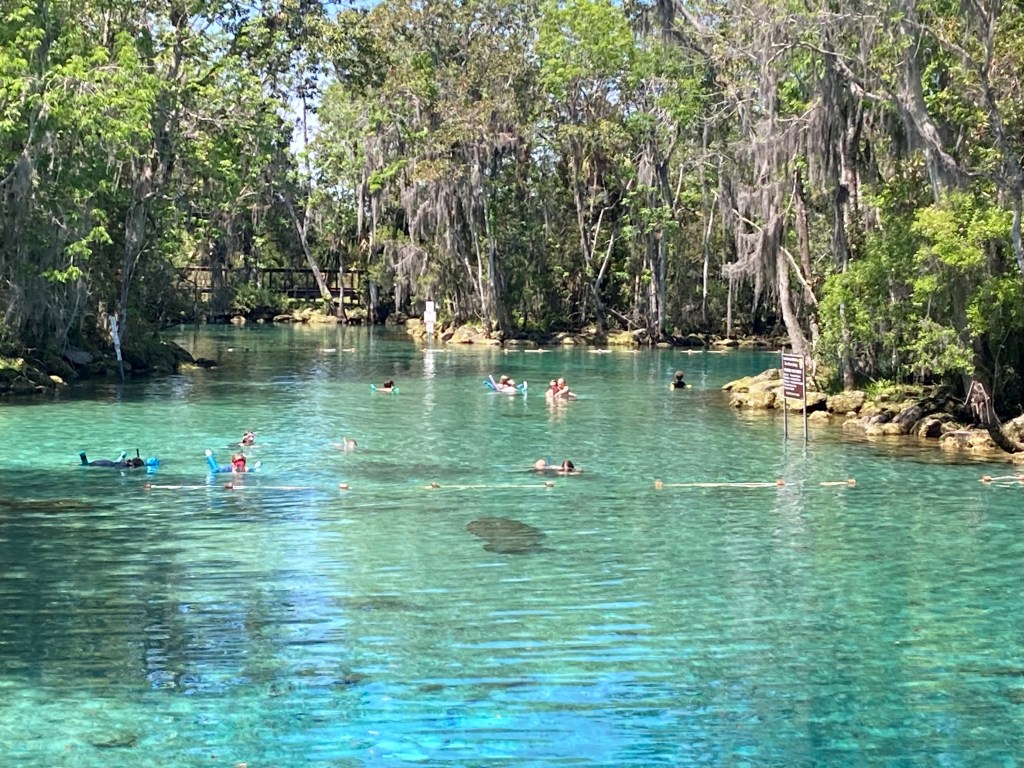
Florida’s natural springs, a cornerstone of the state’s environmental and recreational landscape, are experiencing significant strain due to a combination of pollution, excessive groundwater extraction, and the impacts of recent hurricanes. These iconic water bodies, known for their crystal-clear waters and ecological importance, are showing signs of decline, according to experts and local advocates.
John Rumpler of Environment Florida highlighted the issue, noting that the springs are “under siege” from multiple threats. Pollution, particularly from nitrates linked to agricultural runoff and septic systems, has led to algae blooms that cloud the once-pristine waters and harm aquatic ecosystems. Overpumping of groundwater for agricultural and urban use has also reduced spring flows, with some springs seeing a noticeable drop in water levels. Additionally, Hurricanes Helene and Milton, which struck the region in late 2024, have exacerbated the problem by causing physical damage to spring systems and increasing sediment and debris in the water.
The Florida Springs Council, led by Ryan Smart, has been working to address these challenges through advocacy and restoration efforts. Smart emphasized the need for better management of water resources and stricter pollution controls to protect the springs for future generations. While the state has invested in restoration conservation projects, such as upgrading septic systems and reducing fertilizer use, the scale of the problem continues to pose a significant hurdle.
For now, the health of Florida’s springs remains a pressing concern, with ongoing efforts aimed at balancing human activity with the preservation of these natural treasures.
Follow the St. Pete-Clearwater Sun on Facebook, Instagram, Threads, Google, & X
(Image credit: Steve Newborn/WUSF)
PIE-Sun.com: local St. Pete-Clearwater news



 St. Pete-Clearwater Sun
Leave a comment