
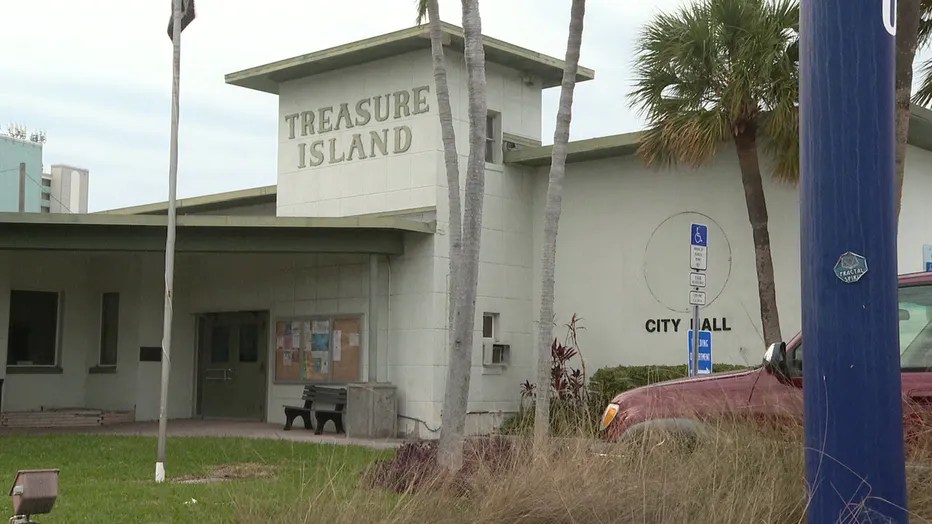
Treasure Island has revised several ordinances to allow residents to elevate their homes, offering a new option to protect against flooding as part of a terrain modification program set to begin on May 1. The use of fill material in this process remains entirely optional, according to city officials.
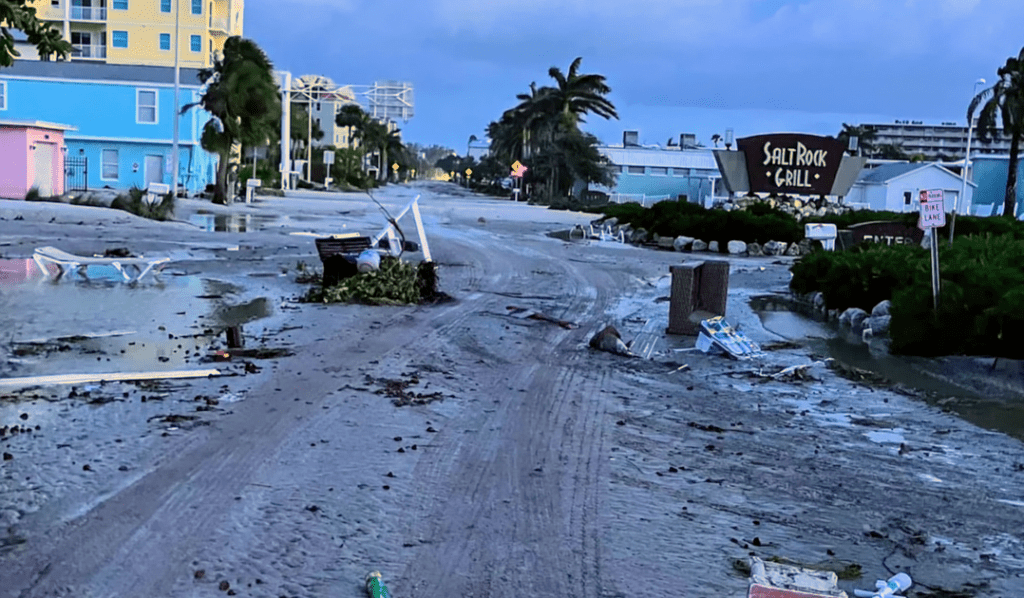
Hurricanes Helene and Milton caused widespread destruction in Treasure Island, prompting residents like Hendrik Bisanz to take advantage of the updated regulations to elevate their homes. “Over the last four years, we’ve had four major incidents where this structure was surrounded by water,” Bisanz told WTSP. He’s now elevating two properties near Sunset Beach, one of which was severely damaged by the storms. “We just wanted to eliminate this stress—go up, prepare the grounds, and create the most comfortable situation in the city,” he added.
Randy Tester, whose crews are working on several heavily damaged homes in the area, explained the process: “They’re going to pour footing all the way around, and once they raise the structure, they’ll lay block underneath it all the way up.” Previously, FEMA regulations mandated elevating the living floor, often using pilings. Now, the city permits the use of fill—such as dirt, sand, or gravel—to raise low-lying homes, a method that was previously prohibited. For Bisanz’s home, more than three feet of dirt will be used to elevate the property in preparation for the next hurricane season. “These structures will no longer suffer hurricane damages,” Bisanz optimistically told WTSP.
The city emphasized that using fill is a voluntary choice, forming just one component of its broader terrain modification program, which takes effect on May 1.
Follow the St. Pete-Clearwater Sun on Facebook, Instagram, Threads, Google, & X
(Image credit: WTVT)
PIE-Sun.com: local St. Pete-Clearwater news


 St. Pete-Clearwater Sun
Leave a comment