

House Speaker Danny Perez faces the challenge of convincing two key Florida Republicans—Governor Ron DeSantis and Senate President Ben Albritton—to support a groundbreaking reduction in Florida’s sales tax.
On Thursday, neither DeSantis nor Albritton explicitly endorsed lowering the state’s sales tax from 6% to 5.25%. Instead, DeSantis’ team highlighted a video advocating for property tax relief. “We need a Florida-first tax package that tackles the top tax burdening Floridians—property tax,” DeSantis stated.
Senate President Albritton, speaking at the Florida Capitol, described himself as “open-minded” on the issue. “We’re all aware of the affordability struggles facing Florida families,” he said. “We’re evaluating the proposal and remain committed to lowering taxes in Florida, but we’ll see where it leads.”
Perez, a Miami Republican, unveiled the sales tax cut plan on Thursday, touting it as the largest tax reduction in Florida’s history and a first of its kind nationwide. “This isn’t a short-term gimmick or tax holiday,” Perez emphasized. “It’s a permanent, ongoing tax cut.”
Sales tax, which applies to goods and services like clothing, cars, and furniture, is Florida’s biggest revenue source, funding nearly 75% of the state’s General Revenue Fund, according to Florida TaxWatch. This fund supports critical areas such as public safety, education, and social services.
Dr. Randall Holcombe, an economics professor at Florida State University, called the proposed cut ambitious but feasible, estimating it would affect about 5% of the state’s budget. The Florida House projects annual savings of approximately $5 billion for residents. Currently, Florida offers at least four tax holidays, with more proposed for the 2025 Legislative Session.
“Reducing the overall sales tax rate is more effective than relying on multiple tax holidays,” Holcombe argued.
The proposal aligns with broader efforts by Florida lawmakers to curb government spending and inefficiency through initiatives like Florida DOGE (Department of Government Efficiency). Republicans are also exploring the elimination of property taxes—a move that would make Florida the first state to do so if successful. However, some view the dual focus on sales and property tax cuts as potentially conflicting.
“I’m not here to pick fights,” Albritton said. “I’m focused on finding the best policies for Floridians.”
Unlike sales tax, property tax primarily supports local governments and services. In 2023, residents of Orange and Hillsborough Counties paid an average of about $2,800 in property taxes, per the Tax Foundation.
In the 2025 Legislative Session, lawmakers have introduced bills aimed at providing insurance and tax relief, including incentives for homeowners who fortify their properties against storms and requirements for insurers to disclose more about fees.
“Floridians want property tax relief, and we should deliver,” Spring Hill Republican Senator Blaise Ingoglia posted on X. “I’m fully behind a ‘Florida-First’ property tax relief plan.”
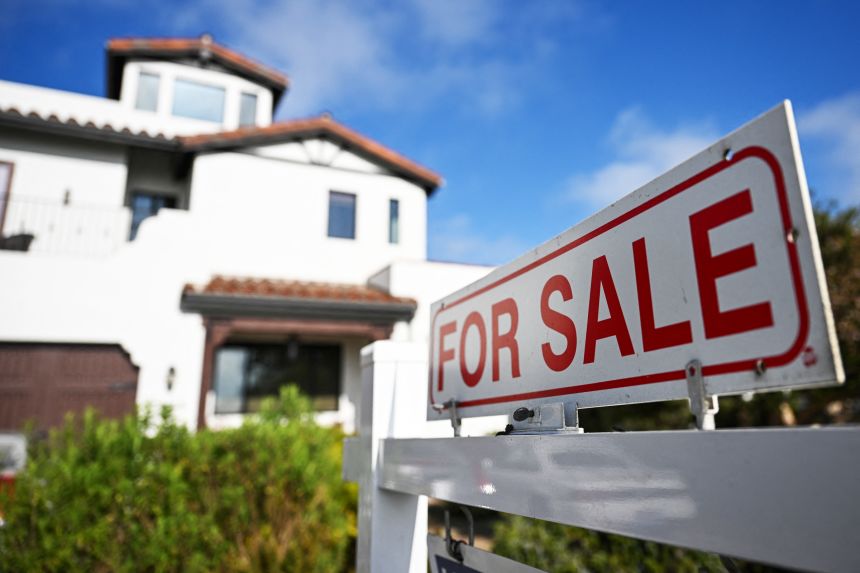
Rising property taxes and insurance costs are key drivers of Florida’s increasing cost of living, compounded by soaring property values. RedFin data shows median home sale prices in Florida nearly doubling over five years, from $253,000 to $412,000.
The Florida House plans to release the sales tax bill next week. With the 60-day legislative session ending May 4, the House, Senate, and Governor DeSantis must align on sales tax, property insurance, and other priorities by then.
Follow the St. Pete-Clearwater Sun on Facebook, Instagram, Threads, Google, & X
(Image credit: Colin Hackley)
PIE-Sun.com: local St. Pete-Clearwater news



 St. Pete-Clearwater Sun
Leave a comment