
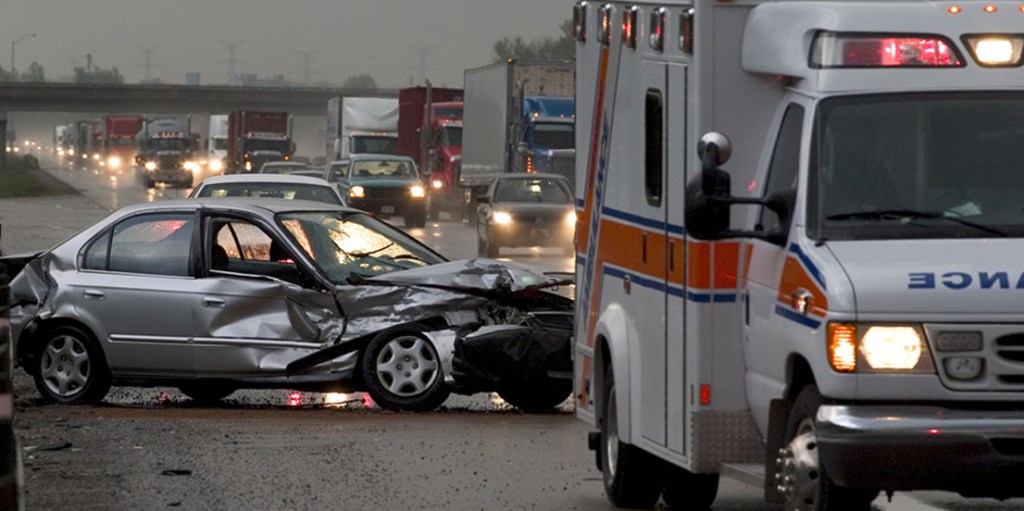
With Florida drivers facing the nation’s highest auto insurance rates, state lawmakers are once again considering a repeal of the state’s No-Fault auto insurance system and HB 1181 is the beginning of the process. By conducting studies and consulting with out-of-state drivers, we are examining the potential effects this change could have on your finances.
What Would Happen if Florida Eliminated Its No-Fault Auto Insurance Law?
Florida has operated under a no-fault auto insurance system since 1971, requiring drivers to carry Personal Injury Protection (PIP) coverage to pay for their medical expenses and lost wages after an accident, regardless of who caused it. However, this system has long been a point of contention due to issues like fraud, high premiums, and limited compensation for victims. In recent years, Florida lawmakers have repeatedly proposed repealing the no-fault law, with the most recent effort in March 2025 aiming to eliminate it by July 1, 2026. If this repeal were to pass, the state would shift to a fault-based system, fundamentally changing how auto accident claims are handled. Let’s explore what this change would mean and the likely consequences for Florida drivers, insurers, and the broader community.
The Current No-Fault System in Florida
Under Florida’s no-fault law, drivers must carry at least $10,000 in PIP coverage and $10,000 in Property Damage Liability (PDL) coverage. PIP pays for 80% of medical expenses, 60% of lost wages, and certain other costs like replacement services, up to the policy limit, regardless of fault. This system was designed to reduce litigation by ensuring quick access to funds for medical care and to limit lawsuits over minor accidents. However, PIP does not cover non-economic damages like pain and suffering unless injuries meet a “serious injury threshold” (e.g., permanent injury, significant scarring, or loss of bodily function). Additionally, PIP does not cover vehicle damage, which is handled through PDL or optional collision coverage.
The no-fault system has faced criticism for several reasons. Fraud has been a persistent issue, with staged accidents and fraudulent medical claims driving up costs. Florida’s auto insurance premiums are among the highest in the nation, averaging $1,372 annually compared to the national average of $1,047, partly due to these fraudulent claims and the high rate of litigation. Critics also argue that the $10,000 PIP limit, unchanged since the 1970s, is insufficient for today’s medical costs, leaving many victims undercompensated.
What Would Change with a Fault-Based System?
If Florida eliminates its no-fault law, the state would transition to a fault-based system, as proposed in recent legislation. Drivers would no longer be required to carry PIP coverage. Instead, they would need to purchase bodily injury liability (BIL) coverage, with proposed minimums of $25,000 per person and $50,000 per accident for injuries to others, alongside the existing $10,000 PDL requirement. Here’s what this shift would entail:
- Fault Determination Becomes Central: In a fault-based system, the at-fault driver’s insurance would be responsible for covering the other party’s medical expenses, lost wages, property damage, and potentially non-economic damages like pain and suffering. Determining fault would become a critical step in every claim, often requiring police reports, witness statements, and sometimes legal proceedings.
- Increased Access to Lawsuits: Without the no-fault restrictions, injured parties could more easily sue the at-fault driver for a broader range of damages, including pain and suffering, even for less severe injuries. The current “serious injury threshold” that limits lawsuits under the no-fault system would no longer apply.
- Shift in Insurance Requirements: Drivers would need to purchase BIL coverage, which is currently optional in Florida (except for specific cases like taxis or DUI offenders). This coverage would protect them from liability if they cause an accident but would also increase the financial burden on drivers who currently only carry the minimum PIP and PDL.
Likely Consequences of Eliminating No-Fault Insurance
The repeal of Florida’s no-fault law would have far-reaching effects, impacting drivers, insurance companies, and the legal system. While some changes could benefit certain groups, others might face significant challenges.
1. Potential for Lower Insurance Premiums—But Not Guaranteed
Proponents of the repeal argue that eliminating PIP could reduce premiums by curbing fraud. Fraudulent PIP claims, such as those from staged accidents or fake medical treatments, have long inflated insurance costs in Florida. A 2012 reform that restricted PIP usage led to a 28% drop in premiums, suggesting that further reducing fraud could yield savings. Additionally, some argue that BIL coverage, even at higher limits, might be less expensive than PIP because it only applies when the driver is at fault, rather than in every accident.
However, the insurance industry, including voices like Michael Carlson of the Personal Insurance Federation of Florida, warns that premiums could rise instead. The proposed $25,000/$50,000 BIL requirement is significantly higher than the current $10,000 PIP minimum, and covering broader damages (including non-economic losses) could increase claim payouts. States that have repealed no-fault laws, like Colorado in 2003, initially saw premium drops, but rates later spiked due to other factors like litigation and rising medical costs. Florida’s already high uninsured driver rate—consistently ranking in the top 10 nationally—could worsen if premiums increase, as more drivers might opt to drive without insurance, exacerbating the problem.
2. Increased Litigation and Legal Costs
The no-fault system was intended to reduce lawsuits by ensuring quick payouts through PIP. A fault-based system would likely reverse this, leading to more litigation as victims seek compensation from at-fault drivers for a wider range of damages. While this could benefit victims with severe injuries who currently struggle to recover beyond the $10,000 PIP limit, it might also flood the courts with claims over minor accidents. The 2023 elimination of one-way attorney fees in Florida, which previously incentivized lawsuits by allowing policyholders to recover legal fees from insurers, might mitigate some of this increase. However, the overall trend would likely be toward more legal battles, raising costs for insurers and, ultimately, consumers through higher premiums.
3. Greater Accountability for At-Fault Drivers
A fault-based system would hold reckless drivers more accountable, as their insurance would bear the cost of damages they cause. This could incentivize safer driving, potentially reducing accident rates over time. However, it also places a heavier burden on at-fault drivers, especially those with minimal coverage. If an at-fault driver lacks sufficient BIL coverage, victims might struggle to recover damages, particularly if the driver is uninsured or underinsured. This underscores the importance of uninsured/underinsured motorist (UM) coverage, which would become more critical in a fault-based system but would also add to drivers’ insurance costs.
4. Impact on Low-Income Drivers
Low-income drivers could be disproportionately affected by the repeal. The current no-fault system, while flawed, guarantees at least some coverage for medical expenses through PIP, even if the other driver is uninsured. In a fault-based system, if an at-fault driver cannot pay, victims might be left with significant out-of-pocket costs unless they have robust UM coverage. The increased BIL requirements could also make insurance unaffordable for some, potentially driving up the uninsured motorist rate and creating a vicious cycle of higher premiums and more uninsured drivers.
5. Strain on Healthcare Systems
The no-fault system ensures that medical expenses are covered quickly through PIP, reducing the burden on public and private healthcare systems. Without PIP, victims might delay treatment if they cannot afford upfront costs while awaiting a fault determination or lawsuit resolution. This could lead to more uncompensated care at hospitals, higher healthcare costs overall, and worse health outcomes for those unable to pay out of pocket.
6. Unintended Consequences and Market Instability
Governor Ron DeSantis has historically opposed repealing the no-fault law, vetoing a similar bill in 2021 due to concerns about “adverse unintended consequences,” such as rate increases and market instability. The insurance industry echoes this caution, noting that recent reforms (like the 2023 changes to attorney fees) need more time to show their full impact. A sudden shift to a fault-based system could disrupt the market, especially if insurers struggle to adjust rates and coverage offerings quickly. Michigan’s 2019 repeal of no-fault insurance initially lowered rates, but the state remains one of the most expensive for auto insurance, suggesting that long-term outcomes are hard to predict.
A Balanced Perspective: Weighing the Pros and Cons
Eliminating Florida’s no-fault law could address some systemic issues, like PIP fraud, and provide better compensation for victims of serious accidents by allowing broader lawsuits. It might also encourage safer driving by holding at-fault drivers accountable. However, these benefits come with significant risks. Higher premiums, increased litigation, and a potential rise in uninsured drivers could offset any savings and create new challenges, particularly for low-income residents. The strain on healthcare systems and the uncertainty of market adjustments further complicate the picture.
Florida’s history of legislative flip-flopping on this issue—repealing no-fault in 2007, only to reinstate it months later—suggests that lawmakers are grappling with a complex problem. The state’s high insurance costs are not solely due to the no-fault system; factors like fraud, litigation culture, and a large uninsured driver population play significant roles. A repeal might address some symptoms but could exacerbate others if not paired with broader reforms, such as stricter enforcement of insurance requirements or measures to combat fraud in a fault-based system.
Summing It All Up
If Florida eliminates its no-fault auto insurance law, the state would undergo a seismic shift in how auto accident claims are handled. While the change could reduce fraud and improve compensation for some victims, it risks higher premiums, more lawsuits, and greater financial burdens on low-income drivers. The transition would require careful planning to mitigate unintended consequences, such as a spike in uninsured motorists or increased strain on healthcare systems. As of March 27, 2025, the debate remains unresolved, with Governor DeSantis and industry leaders urging caution. Florida drivers should stay informed and consider how such a change might affect their insurance needs, particularly by exploring optional coverages like UM to protect against the uncertainties of a fault-based future.
Follow the St. Pete-Clearwater Sun on Facebook, Instagram, Threads, Google, & X
(Image credit: Creator: tillsonburg/Credit: Getty Images)
PIE-Sun.com: local St. Pete-Clearwater news





 St. Pete-Clearwater Sun
Leave a comment