
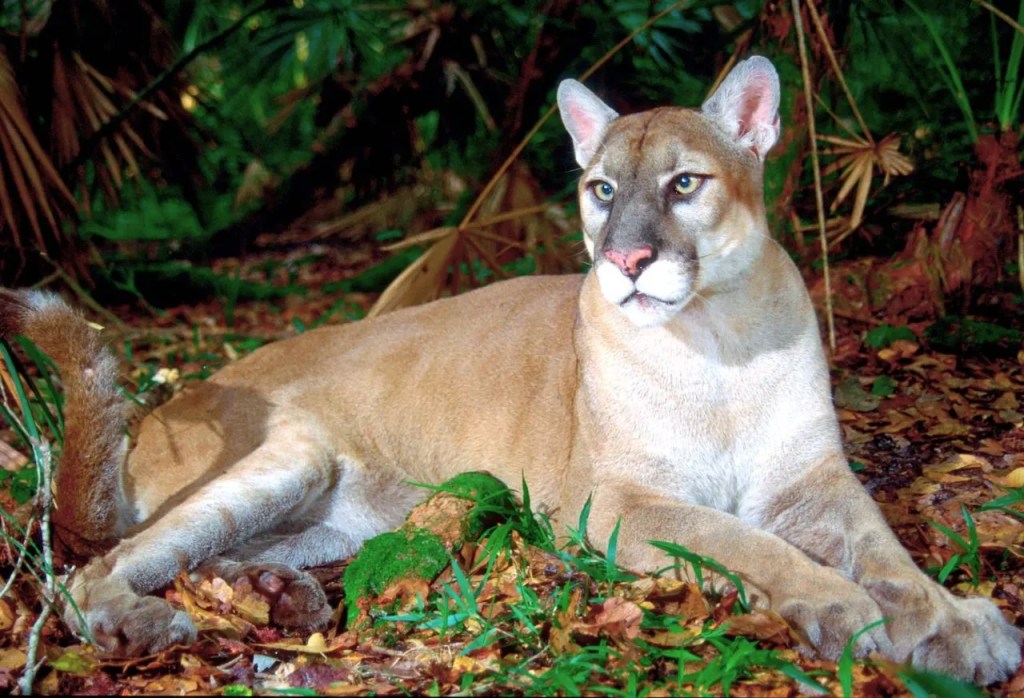
The Florida panther death toll for 2025 climbed higher with the fourth fatality recorded on March 10. This follows a troubling 2024, when the Florida Fish and Wildlife Conservation Commission documented 36 panther deaths.
Environmental groups, such as The Nature Conservancy, expressed concern over the endangered species’ plight but remain committed to collaborating with state officials to enhance their habitat. The most recent casualty, a 4-year-old male, was struck by a vehicle on SR29 in Collier County. Vehicle collisions have been the sole cause of panther deaths this year, mirroring the leading cause from 2024.
This latest loss, the second in March, occurs a year after The Nature Conservancy expanded protected panther habitat north of Collier County into Hendry and Glades counties. Historically, Florida panthers roamed from Florida to Louisiana across the Gulf Coast and into Arkansas. Today, roughly 200 remain, primarily in South Florida.
Last March, The Nature Conservancy teamed up with the U.S. Department of Agriculture’s Natural Resources Conservation Service to secure a 30,000-acre mosaic of pristine and agricultural land vital to panthers. The initiative involved purchasing land or securing development rights in Hendry and Glades counties to shield it from commercial encroachment.
Wendy Mathews, Senior Conservation Projects Manager and leader of the conservancy’s Florida panther efforts, explained that wildlife corridors enable panthers to traverse north and south of the Caloosahatchee River. This expanded range helps them avoid human activity and reduces vehicle-related deaths. “These corridors are critical for keeping wildlife off roads, especially as Florida’s population and traffic grow,” she noted.
The corridors also support the Florida Department of Transportation (FDOT) in adapting highways. In December, FDOT secured $6.1 million to install wildlife underpasses and fencing along state roads, offering safe crossing options for animals. Corridors ensure that underpasses connect to protected areas, enhancing panther safety.
Mathews highlighted a success story: “When SR80 was widened to four lanes, wildlife underpasses were added because the surrounding land was already conserved. Both sides of the road were safeguarded.” She underscored the value of collaboration among state, federal, and nonprofit entities, along with donor support, in driving these efforts.
Despite the panther population’s precarious state, optimism persists. “We’re encouraged by the progress in public awareness and support,” Mathews said, “but rapid commercial development in key habitats continues to threaten their survival.”
Follow the St. Pete-Clearwater Sun on Facebook, Instagram, Threads, Google, & X
(Image credit: U.S. Geological Survey/Larry Richardson)
PIE-Sun.com: local St. Pete-Clearwater news


 St. Pete-Clearwater Sun
Leave a comment