

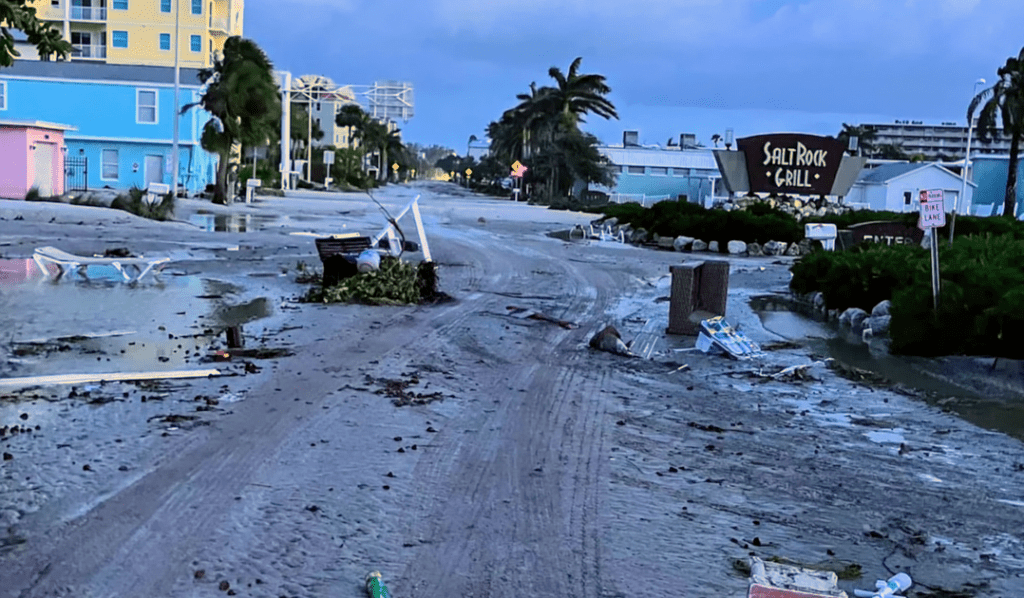
Florida legislators are advancing a proposal aimed at addressing challenges that arose during the destructive 2024 hurricane season. The Florida House took steps on Tuesday to push forward new measures, including property tax relief for rebuilt homes and updated election procedures in post-storm conditions.
The House Natural Resources & Disasters Subcommittee unanimously approved HB 1535, a comprehensive bill that seeks to refine shelter regulations, improve debris cleanup efforts in economically challenged rural areas, and regulate crane positioning ahead of storms.
Bill sponsor Rep. Fiona McFarland, R-Sarasota, emphasized that the proposal stems from extensive input. “We’ve gathered feedback from local governments, Realtors, homeowners associations, builders, environmentalists, and emergency managers, all of which are reflected in this bill,” McFarland said.
Rep. Lindsay Cross, D-St. Petersburg, advocated for clearer guidelines in long-term local government planning. “Post-storm recovery presents a rare opportunity for communities to enhance resilience and proactive measures when residents fully grasp the impacts and potential future threats,” Cross stated.
Key provisions of the bill include barring counties under federal disaster declarations for Hurricanes Debby, Helene, or Milton from placing moratoriums on rebuilding efforts until October 1, 2027. Additionally, local governments, school districts, and special districts would be prohibited from imposing impact fees on post-storm reconstruction that maintains previous land-use designations.
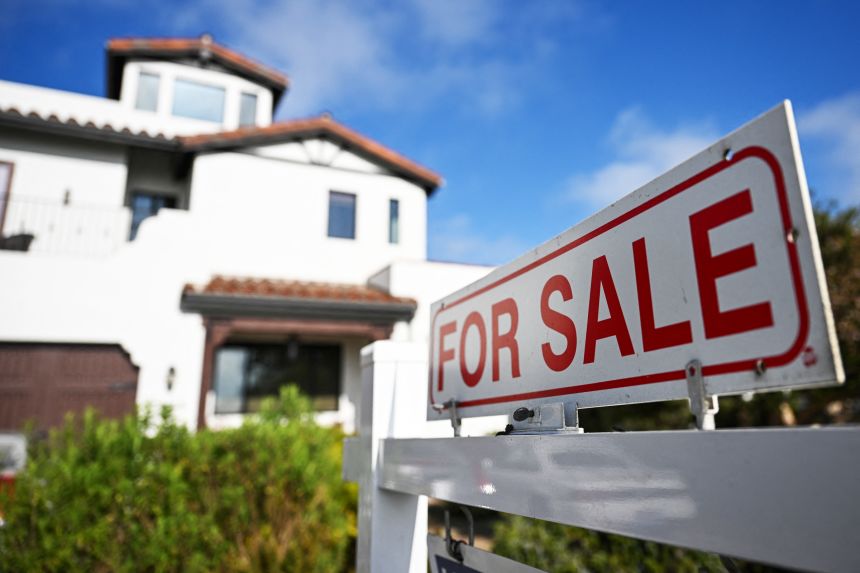
Homeowners would also be allowed to expand homesteaded properties up to 130% of their original size without incurring increased property appraisals. “Many coastal residents had to elevate their homes while rebuilding, which often led to unavoidable footprint increases,” McFarland explained. “This provision ensures that necessary structural modifications do not trigger higher tax assessments.”
To expedite recovery efforts, the bill mandates state agencies collaborate with local governments to streamline repair and reconstruction permitting.
Election Security Measures
The legislation also introduces election-related provisions for emergencies declared within 60 days of an election. It grants county election supervisors the authority to relocate early voting sites, extend early voting through the day before an election, and seek state approval for using early voting locations on Election Day. Measures also include sending vote-by-mail ballots to displaced residents and establishing contingency plans for election disruptions.
Amy Keith, executive director of Common Cause Florida, praised the bill’s election provisions as a “step in the right direction” that strengthens voter accessibility. “No disaster-affected voter should face unnecessary hurdles like excessive paperwork or long-distance travel just to cast a ballot,” Keith said.
Crane Safety and Emergency Shelter Improvements
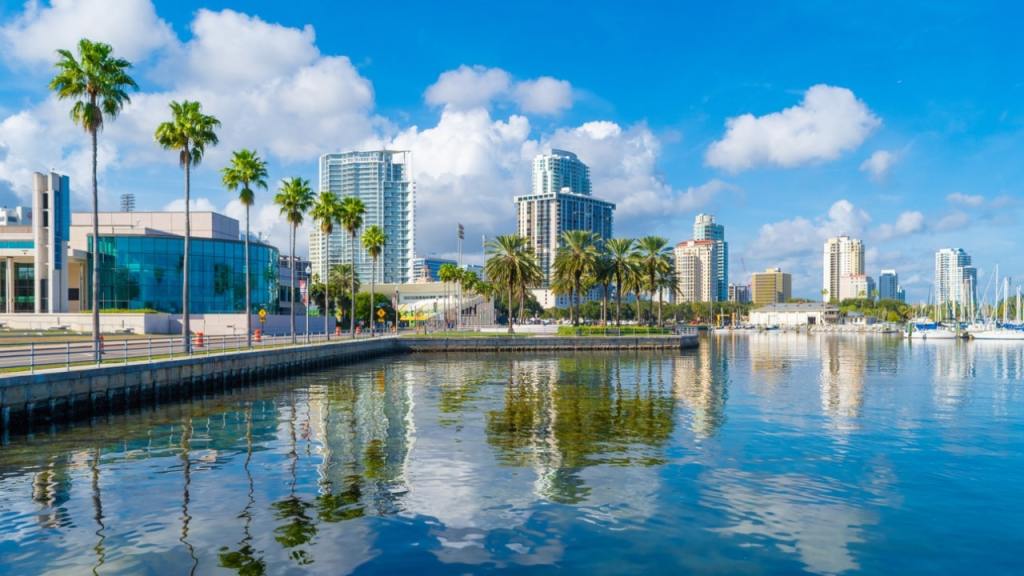
Prompted by the collapse of an unsecured construction crane during Hurricane Milton in St. Petersburg, the bill mandates securing all hoisting equipment at least 24 hours before anticipated hurricane impacts. Compliance measures include removing advertisements, laying down fixed booms when feasible, and setting towers in a “weathervane position.”
Further, the legislation directs the Florida Division of Emergency Management to assess statewide emergency shelter needs. The study will examine provisions for individuals with developmental disabilities and accommodations for pets. The division would also coordinate debris removal in disaster-affected fiscally constrained counties.
Regional Impacts and Next Steps
Hurricanes Debby and Helene hit Taylor County in 2024, while Hurricane Milton made landfall in Sarasota County. Rep. Jason Shoaf, R-Port St. Joe, whose district includes Taylor County, underscored the bill’s importance for North Florida’s Big Bend region. “This legislation is crucial for our communities as we work to address the financial impact of these storms,” Shoaf noted.
McFarland acknowledged that the bill integrates elements from multiple legislative proposals and will undergo further refinements. The measure must pass two more House committees before reaching a full vote in the chamber.
Follow the St. Pete-Clearwater Sun on Facebook, Instagram, Threads, Google, & X
(Image credit: Phil Sears/AP)
PIE-Sun.com: local St. Pete-Clearwater news

 St. Pete-Clearwater Sun
Leave a comment