
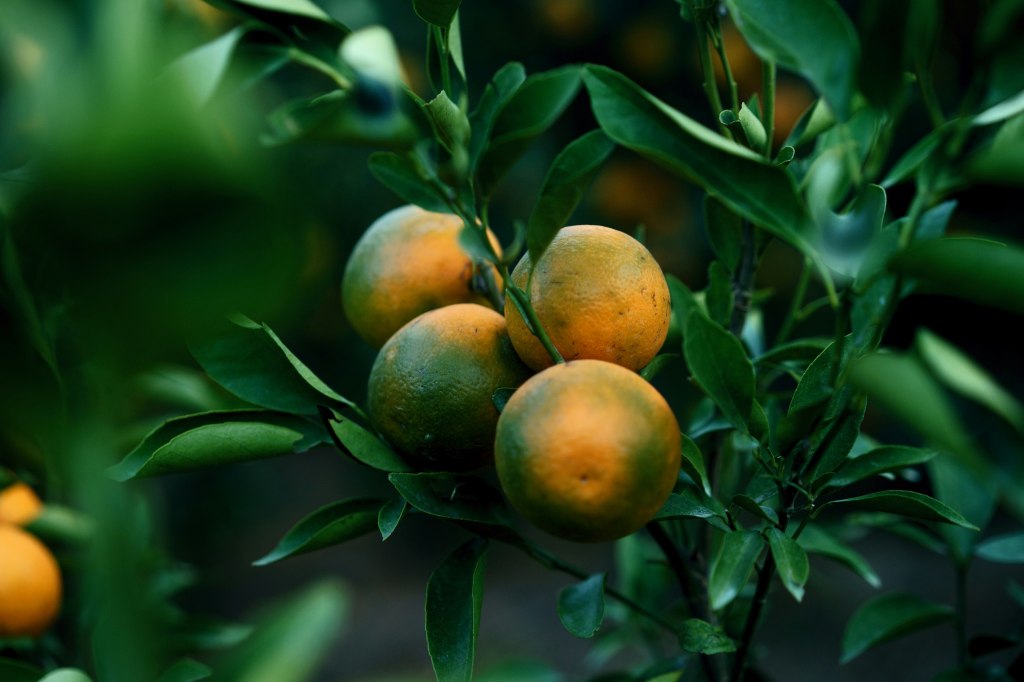
When Trevor Murphy drives up to his father’s 20-acre grove in one of the nation’s fastest-growing counties, he can’t help but notice the uniform, single-story homes crowding the perimeter of his family’s orange trees.
“Soon enough, this won’t be an orange grove at all,” says Murphy, a third-generation citrus grower, as he surveys the neat rows of trees in Lake Wales, Florida. “Everywhere you look, there are houses, and eventually, that’s exactly what this area will become,” he explained to WFLA.
Polk County—which includes Lake Wales—is home to more citrus acres than any other county in Florida. In 2023, it also topped the nation in population growth, with more people moving in than anywhere else. This dramatic influx, combined with hurricanes and the relentless assault of citrus greening disease, has left Florida’s orange industry in crisis.
With consumers cutting back on orange juice and citrus growers shutting down operations, even major brands like Tropicana are struggling to stay competitive. As developers seize the opportunity to build homes on lands once dedicated to orange groves, many long-established growers face the hard choice of selling family groves to fund new ventures.
Still, some growers, like Murphy, are determined to persevere. They remain hopeful that innovations—such as a bug-resistant tree or other breakthroughs to combat the disease—will eventually revive the industry.
Rising Challenges in a Changing Landscape
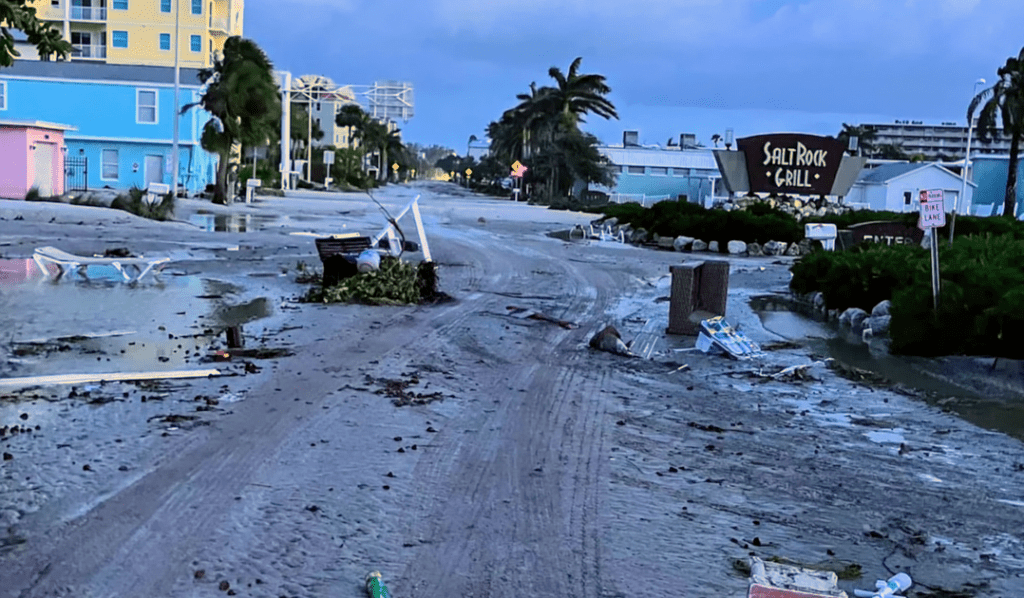
Hurricane Irma’s devastation in 2017 hit Florida’s orange belt at a time when citrus groves had already been declining for over 20 years due to greening disease. Subsequent extreme weather events, including a severe freeze and multiple hurricanes in 2022 and last year, have compounded the damage. “When a tree loses its branches and foliage in a hurricane, it can take up to three years to bounce back,” Murphy explains.
These successive blows have led to a staggering 90% drop in orange production over the past two decades. Once spanning over 832,000 acres at the start of the century, citrus groves now cover a mere 275,000 acres, and California has overtaken Florida as the nation’s leading citrus producer. “Losing the citrus industry isn’t an option,” insists Matt Joyner, CEO of Florida Citrus Mutual, emphasizing the deep cultural and economic ties between Florida and its signature crop.
Adding to the woes, Alico Inc.—one of Florida’s largest growers—announced plans to gradually exit citrus production on more than 53,000 acres after experiencing a near 75% production decline over the last decade. This decision has directly impacted processors like Tropicana, which now struggle to source enough fruit, forcing them to scale back operations. Despite a brief uptick during the COVID-19 pandemic, orange juice consumption in the U.S. has been steadily declining. Meanwhile, the Gulf Citrus Growers Association, a once-prominent collective of growers, shuttered its operations last year.
The Real Estate Factor
The pressures facing Florida’s citrus farms extend beyond natural disasters and disease. The state’s booming real estate market is rapidly encroaching on groves. With Florida’s population swelling by more than 467,000 people last year—bringing the total to 23 million—demand for new homes is skyrocketing. Consequently, many multi-generational citrus families are listing hundreds of acres for sale at prices reaching up to $25,000 per acre.
Murphy, who owns several hundred acres himself, remains committed to the citrus industry. Although he recently closed a citrus grove caretaking business that managed thousands of acres, his dual background as a licensed real estate agent has proven advantageous. He recently sold part of his Polk County land to a developer, using the proceeds to settle debts and replant thousands of trees in more promising groves. “I’d like to think that we’re at our lowest point and beginning to move upward again,” he reflects.
Searching for a Sustainable Future
The potential collapse of Florida’s citrus industry threatens not only the growers but also an entire ecosystem of related businesses—from juice processors and grove caretakers to fertilizer suppliers, packing houses, nurseries, and even candy manufacturers.
This network supports roughly 33,000 jobs and contributes $6.8 billion to Florida’s economy. Tom Davidson, whose family founded the local Davidson of Dundee Citrus Candy and Jelly Factory in 1966, notes that reduced citrus yields have forced his business to alter both its product lineup and pricing. “We’re really hoping that scientists can resolve this issue so we can return to the way things were,” he told WFLA.
Researchers have been at work for the past eight years on a genetically modified citrus tree designed to combat the tiny insects that spread the greening disease. This innovation involves inserting a gene into the tree so it produces a protein lethal to baby Asian citrus psyllids by perforating their guts.
Despite the promise, experts like University of Florida entomology professor Lukasz Stelinski warn that it could be at least three years before such bug-resistant trees become a common sight in groves.
In the meantime, growers are exploring various stopgap measures—from installing protective screens and covering young trees with white bags to injecting antibiotics into trees and selectively breeding naturally resistant varieties. “It’s a bit like being a Lions fan before the Detroit Lions started winning games,” Stelinski remarks. “I’m hopeful that we’re finally turning the corner.”
In the midst of rapid urban expansion, relentless natural disasters, and the ongoing battle with citrus greening, Florida’s orange groves are at a critical crossroads. The future of this storied industry hinges on both technological breakthroughs and the ability to balance development with preservation—a challenge that remains as pressing as ever.
Follow the St. Pete-Clearwater Sun on Facebook, Instagram, Threads, Google, & X
(Image credit: Gabriel Bodhi on Unsplash)
PIE-Sun.com: local St. Pete-Clearwater news


 St. Pete-Clearwater Sun
Leave a comment