
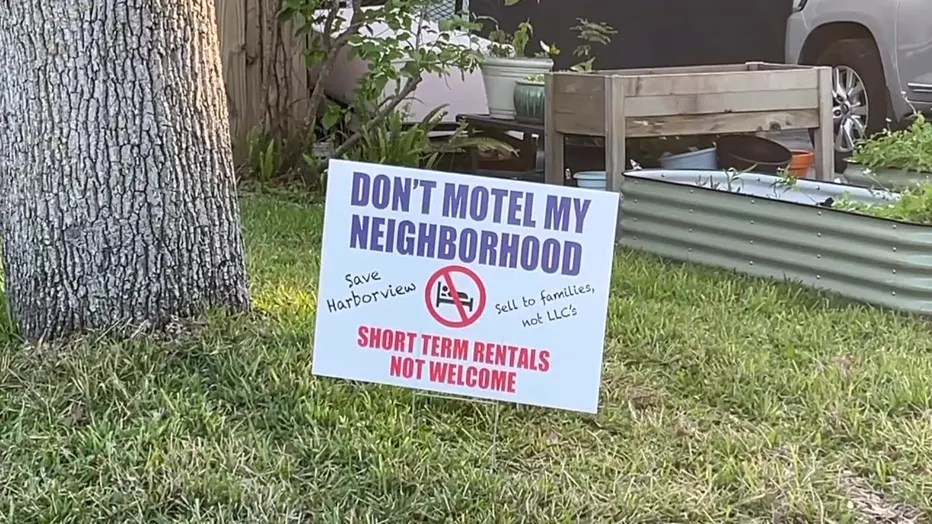
Come April, Pinellas County may launch a new initiative to tighten oversight, regulation, and monitoring of short-term rentals (STRs) in unincorporated areas, with steep fines awaiting those who flout the rules.
At a packed public hearing on February 25, residents urged county commissioners to address noise and disruptions eroding their quality of life. They recounted tales of late-night blaring music, raucous parties, drunken antics, and parking woes.
Many opposed proposed tweaks to the existing STR ordinance, such as pushing “quiet time” from 10 p.m. to 11 p.m. and excluding children from occupant counts. Gary Signorelli called the latter “ludicrous and absurd,” warning it could allow a flood of young sports teams and parents, amplifying noise and traffic.
The County Clerk tallied one supportive email, two expressing concern, and a wave of opposition—289 emails and 11 voicemails.
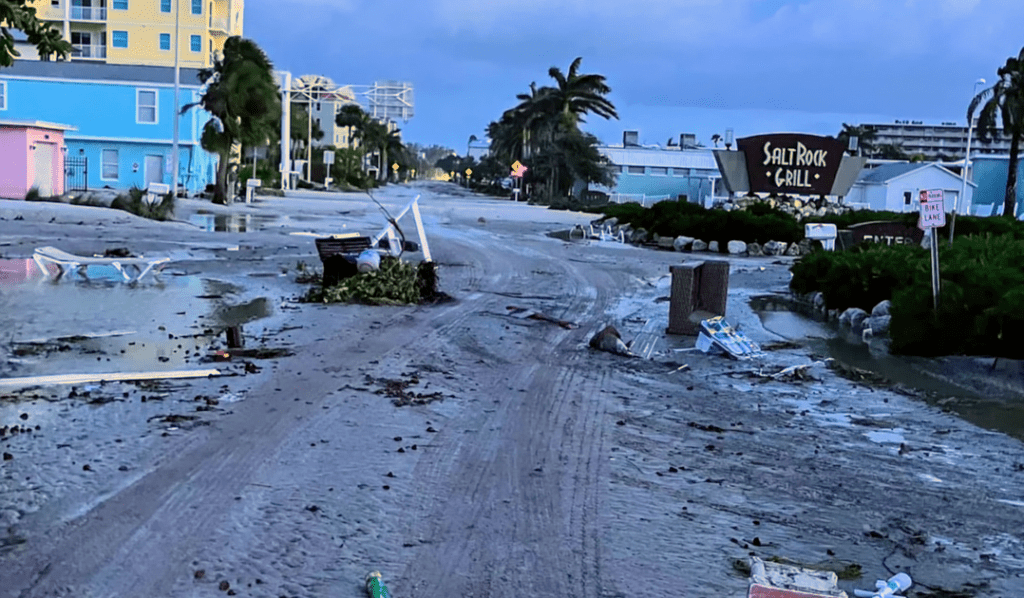
Commission Chair Brian Scott emphasized the issue’s weight, noting it’s the top complaint he hears from constituents. “They ask what we’re doing about the STRs wrecking their neighborhood’s community feel,” he said. Scott lives near one himself, enduring “frat party after frat party” until recent hurricane flooding sidelined it—though repairs are underway.
Kevin McAndrew, head of Building and Development Review Services, announced that Code Enforcement and the Building Department will take the reins on STR regulation. Four new staff—three officers and a supervisor—will focus on weekends from 4 p.m. to midnight, targeting peak complaint hours.
Backed by advanced third-party tech, the proposed ordinance introduces a Certificate of Use requirement for greater accountability. Software will scour STR ads to ensure county registration, with McAndrew calling this “the cornerstone” of educating and monitoring operators.
To earn a Certificate of Use, operators must pass an inspection and provide proof of a state business license, sales tax certificate, and bed tax registration, plus notify the property appraiser of rental intent. “None of this happens now,” McAndrew told commissioners. Code Enforcement will shift from reactive to proactive, with fines of $500 to $1,000 for violators.
The Certificate requires annual renewal: $450 plus a $150 building inspection initially, $450 for year two, and $450 plus $100 for another inspection in year three. Inspections will enforce safety codes—like fire escapes in bedrooms and pool fencing—while banning lawn parking and limiting cars to one per three occupants.
Each rental caps at 10 occupants, including children, after commissioners insisted on counting kids. McAndrew reported a 25% STR surge from 2023 to 2024, with 2,668 units in unincorporated areas as of March 2024—a trend likely to persist.
Scott clarified this was the first of two hearings, with a final vote pending. “Nothing’s finalized; we might adjust things,” he said. County Attorney Jewel White highlighted state law constraints, noting a 2011 ban on local STR regulation eased slightly in 2014. Current statutes bar prohibiting vacation rentals or limiting their duration and frequency.
Commissioner Kathleen Peters urged residents to back House Bill 401 to curb corporate home-buying for rentals. Dave Eggers pushed for revocable Certificates after violations, while Rene Flowers suggested security for party-prone units. Commissioners also sought a rule mandating sheriff notification if renting to a sexual predator.
The next hearing is set for April.
Follow the St. Pete-Clearwater Sun on Facebook, Instagram, Threads, Google, & X
(Image credit: WTVT)
PIE-Sun.com: local St. Pete-Clearwater news


 St. Pete-Clearwater Sun
Leave a comment