
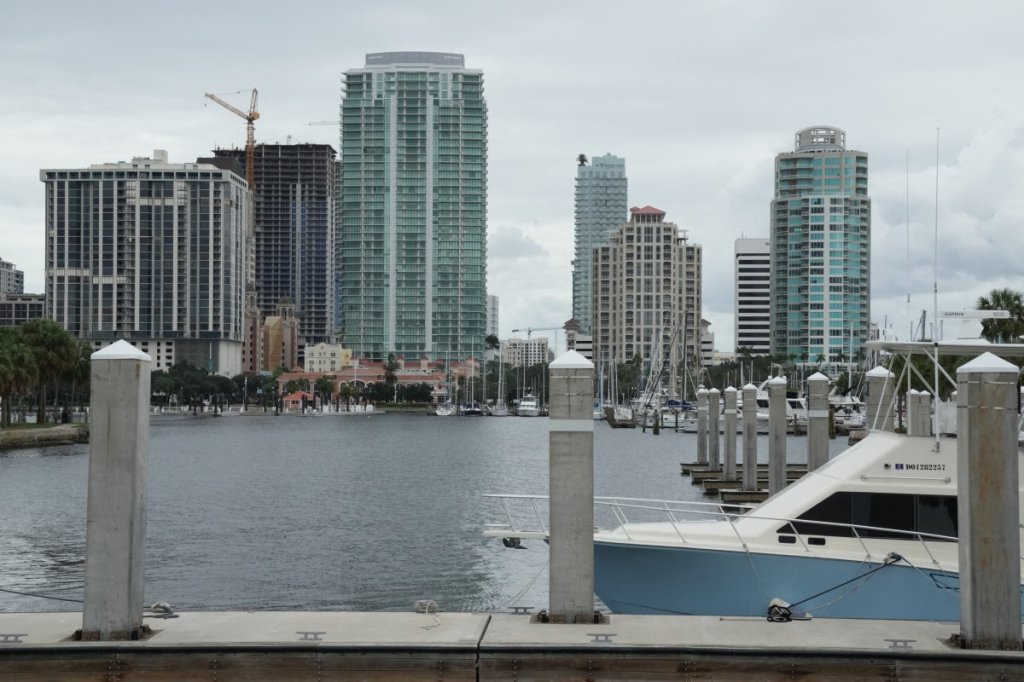
The clock has run out for Florida condo owners to comply with safety regulations enacted after the tragic 2021 Champlain Towers collapse. By December 31, condo associations were required to inspect aging buildings and establish plans to fund ongoing maintenance.
As the deadline loomed, the condo market plummeted, with owners listing properties in droves to dodge the costs of newly required repairs. Starting this year, associations must fully fund reserves for the first time—a daunting task for those that haven’t saved, potentially demanding millions in mere months. Owners are likely to bear this weight through steep special assessments.
Jeff Brandes, a former state senator and head of the Florida Policy Project, predicts dire outcomes: “Bankruptcies are coming, and people will lose their homes.”
Here’s a look at what’s ahead.
Will Buildings Be Safer?
Condo buildings over 30 years old and at least three stories tall had to submit two documents to local authorities by last year’s end: a decade-long maintenance funding study and an inspection report. If significant wear was found, a deeper evaluation was mandated.
In Clearwater, 36 of 191 expected inspections remain outstanding, according to building official Kevin Garriott. His team sent reminders in December, warning that noncompliance could lead to citations or fines. While the law allows a year to schedule repairs post-inspection, some local rules may accelerate that timeline. Garriott noted the state has offered scant enforcement guidance.
How’s the Market Holding Up?
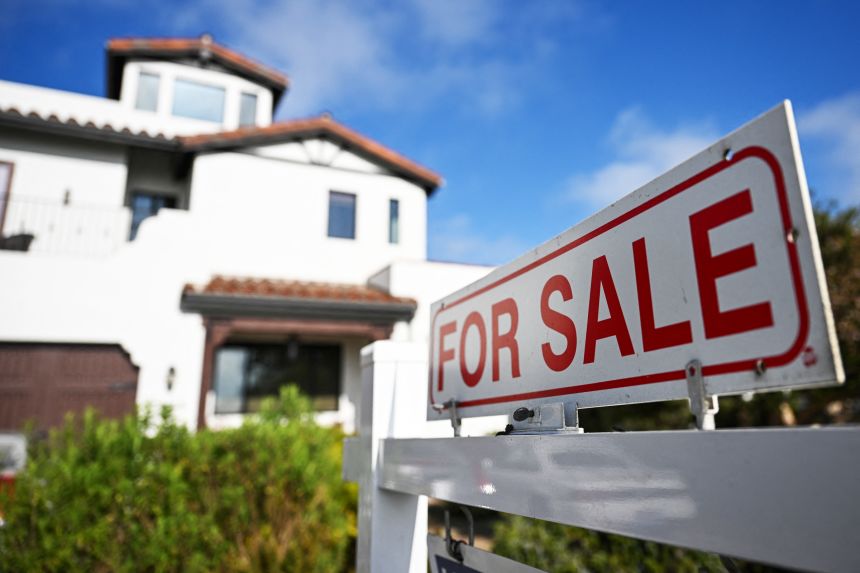
Florida Realtors data shows a 43% surge in condo listings statewide in 2024, yet sales stagnated, and median prices dropped 4.5%. Tom Steck, president of Pinellas County Realtors and co-owner of TomKat Realty, said the new rules expose harsh realities—past and potential assessments—that scare off buyers. “Prices could keep falling as demand fades,” he warned, with older condos hit hardest.
A Florida Policy Project study found listings for condos 30+ years old spiked 56% year-over-year in nine major metro areas. Brandes noted that every condo will eventually hit that age threshold, prompting a broader rethink of condo ownership. “We’re facing a market-wide repricing,” he said.
In Miami, real estate attorney Joe Hernandez of Bilzin Sumberg, who focuses on condo terminations—where owners vote to dissolve an association, often to sell the property—sees growing interest in bulk sales to developers post-deadline. Still, he said, “the rush hasn’t hit yet.” Developers are cautious, awaiting a Miami lawsuit’s outcome that could reshape termination rules.
Will Lawmakers Step In?
Condo owners hoped for legislative relief before the deadline. Governor Ron DeSantis pushed for action, but no special session was called. Lawmakers plan to tackle the issue starting March 4 in the next session.
Ideas include a loan program to ease repair costs without special assessments. State Senator Rosalind Osgood has proposed grants for low-income seniors facing assessments, inspired by a Miami-Dade initiative. But Brandes doubts the state can bail out every struggling condo, and many associations couldn’t repay loans anyway.
Hernandez wants clearer termination paths, noting that just 5% of owners can currently block such votes. Steck, a condo owner himself, questions mandating full funding for all repairs at once. “Prioritize the worst issues first,” he suggested, easing the burden of lump-sum payments.
Brandes sees no easy fix that balances safety and affordability. “It’s a tough cure that’ll cost some their homes and life savings,” he said.
Follow the St. Pete-Clearwater Sun on Facebook, Instagram, Threads, Google, & X
(Image credit: Newsweek)
PIE-Sun.com: local St. Pete-Clearwater news


 St. Pete-Clearwater Sun
Leave a comment