
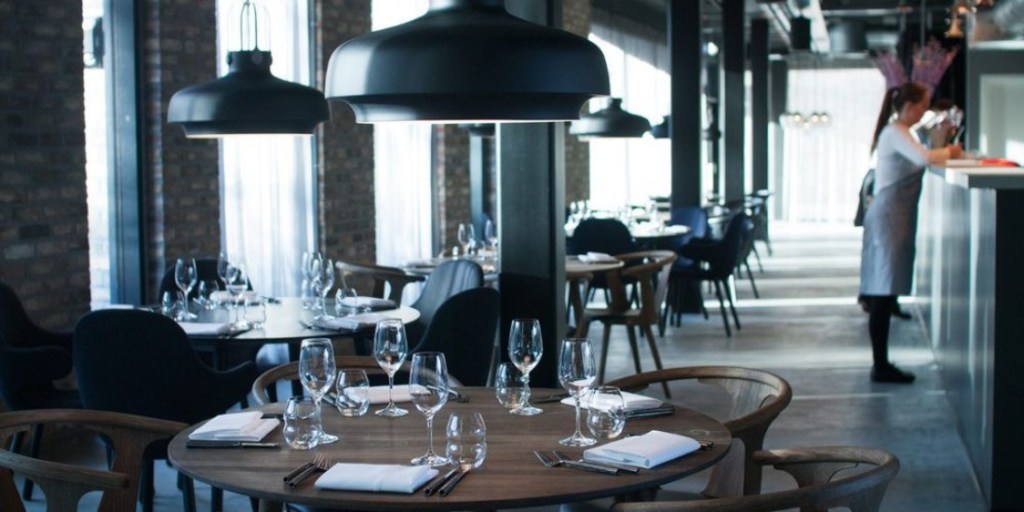
With rent hikes and inflation squeezing profits, small restaurants in the Tampa Bay area are finding it increasingly difficult to stay in business—forcing some to turn to food trucks for survival.
Skyrocketing rent costs have reached a tipping point for many local eateries, leaving small business owners struggling to keep their doors open in an unforgiving market. Alongside dwindling foot traffic and rising food and labor costs, these challenges have made survival a daily battle.
For Benjamin Coia, owner of Philly Phlava Cheesesteaks in Carrollwood, the dream he built over 15 years came to an abrupt halt at the end of 2023 when his rent spiked. Despite a loyal customer base and a prime location, the rising cost of rent, food, and wages made it impossible to continue. After closing his restaurant, Coia searched for a new location but found every available space priced beyond reach.
“We thought rents would come down, but after months of waiting, they never did,” he told local news WTSP. His former location remains empty to this day.
The struggle is widespread. In Safety Harbor, Tom Bassano of Bassano Cheesecakes faced a similar crisis when his rent more than doubled. For months, he and his wife, Cindy, feared they would have to give up their dream of running a local café. After extensive negotiations, they secured a new lease agreement—but many others haven’t been as fortunate.
Restaurant consultant Brad Barnes notes that the rent crisis is taking a toll nationwide.
“Restaurants are essential to keeping business districts alive, yet landlords often charge them higher rents despite their lower profit margins,” Barnes explained to WTSP. “This puts many owners at risk of being forced out.”
According to a November 2024 survey by Alignable, rental delinquencies among independent restaurants hit their highest level of the year, with 46% of owners unable to pay rent—a troubling 11% increase from the previous year. Rising operating costs were the primary reason cited.
For some, the only option is to pivot. Coia transitioned his business to a food truck near Gunn Highway and State Road 54, where overhead costs are significantly lower. However, not every restaurant has the means to make such a shift.
Adding to the challenge, landlords may not feel compelled to fill vacant spaces with new restaurants. Barnes explains that property owners often see empty units as tax write-offs, making them less inclined to negotiate lower rents.
“The city, state, and local governments all feel the impact of rising vacancy rates, but developers have little incentive to lower rents when they can simply write off the loss,” Barnes said.
Experts suggest adopting more flexible lease agreements based on revenue rather than fixed rates to support struggling restaurants. Such changes could provide relief and help independent eateries weather the economic storm.
Despite the challenges, many restaurant owners remain hopeful.
“It has to change for restaurants to survive,” Coia said. “But will it? Only time will tell.”
The long-term impact of these closures could be significant, affecting local economies and community engagement. With experts predicting a continued decline in foot traffic throughout 2025, the survival of independent restaurants in the Tampa Bay area remains uncertain.
Follow the St. Pete-Clearwater Sun on Facebook, Instagram, Threads, Google, & X
(Image credit: Foodie Agency)
PIE-Sun.com: local St. Pete-Clearwater news

 St. Pete-Clearwater Sun
Leave a comment