
Driving through Mini Park in the Shore Acres neighborhood of St. Petersburg, you might spot the lush greenery and playground equipment, but there’s also a wooden stake to see.
Perched atop this stake is a bat house. If you look closely during the day, you might even catch a glimpse of a few bats inside.
“Unfortunately, during Hurricane Helene, with Milton bringing the most wind, some of our bat houses were damaged, destroyed, or completely knocked down,” said Kevin Batdorf, President of the Shore Acres Civic Association.
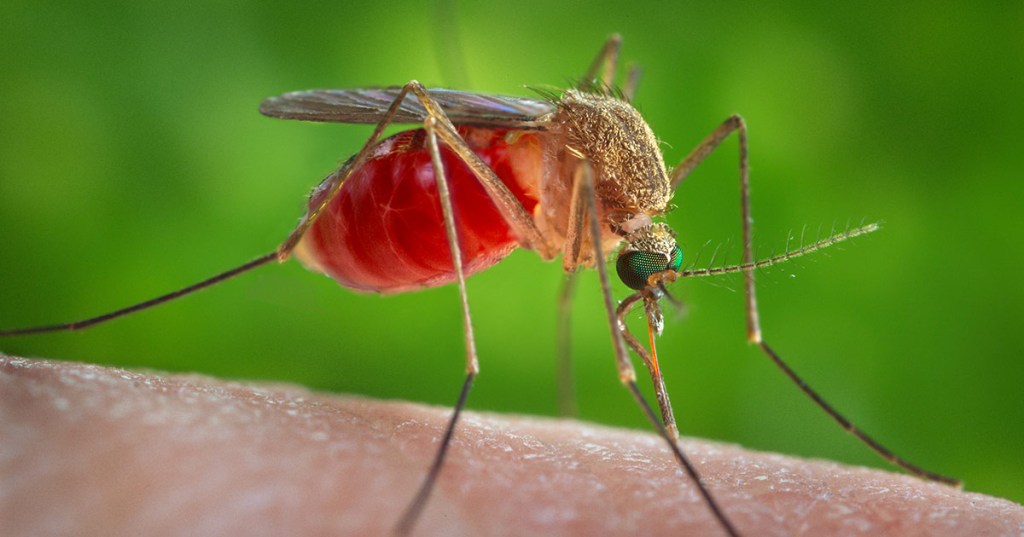
So, what does this mean for the upcoming mosquito season?
WFLA visited Pinellas County Mosquito Control to find out.
“Here at mosquito control, we do our best to support bats by installing bat houses and similar structures,” explained Alissa Berro, Section Manager for Pinellas County Mosquito Control and Vegetative Management. “However, there’s a common misconception that bats only eat mosquitoes.”
Berro clarified that while bats do contribute to controlling mosquito populations, they are opportunistic feeders and don’t exclusively eat mosquitoes, meaning they won’t eradicate a mosquito problem entirely.
But the impact of hurricanes on mosquito numbers this summer isn’t limited to bat house damage.
Berro’s primary concern is with untreated pools.
“Any stagnant water, particularly from pools where the pump isn’t functioning, can lead to a lot of standing water,” she noted.
Stagnant water, Berro explained, is a prime breeding ground for mosquitoes.
Moreover, she pointed out that hurricane damage can lead to more standing water through construction debris with indentations, which also fosters mosquito breeding.
Pool owners can call 727-464-7503 to request mosquitofish.
A technician will visit your home to determine the optimal placement for the fish and address any additional mosquito concerns without charge.
Follow the St. Pete-Clearwater Sun on Facebook, Instagram, Threads, Google, & X
(Image credit: Amdro)

 St. Pete-Clearwater Sun
Leave a comment