
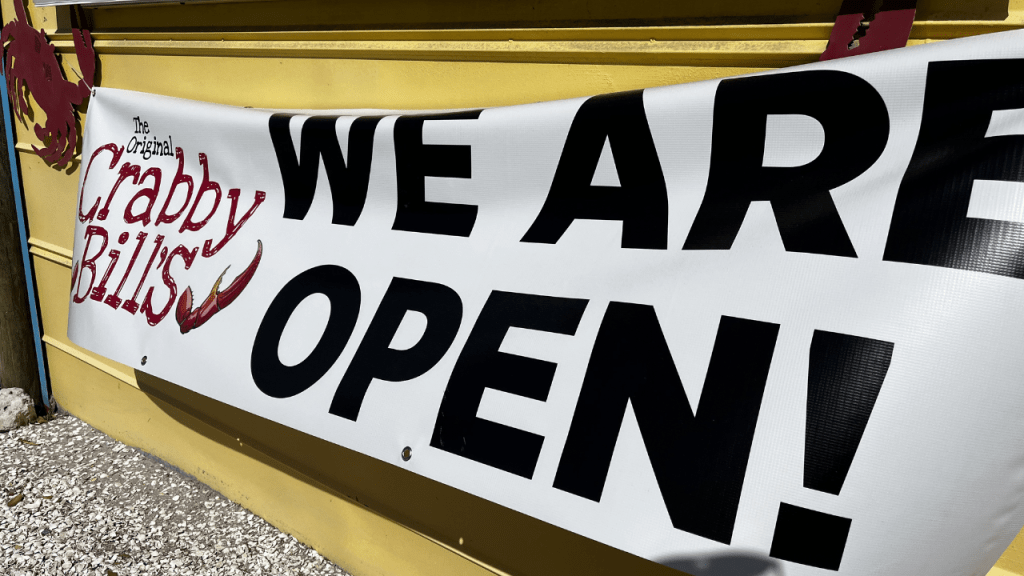
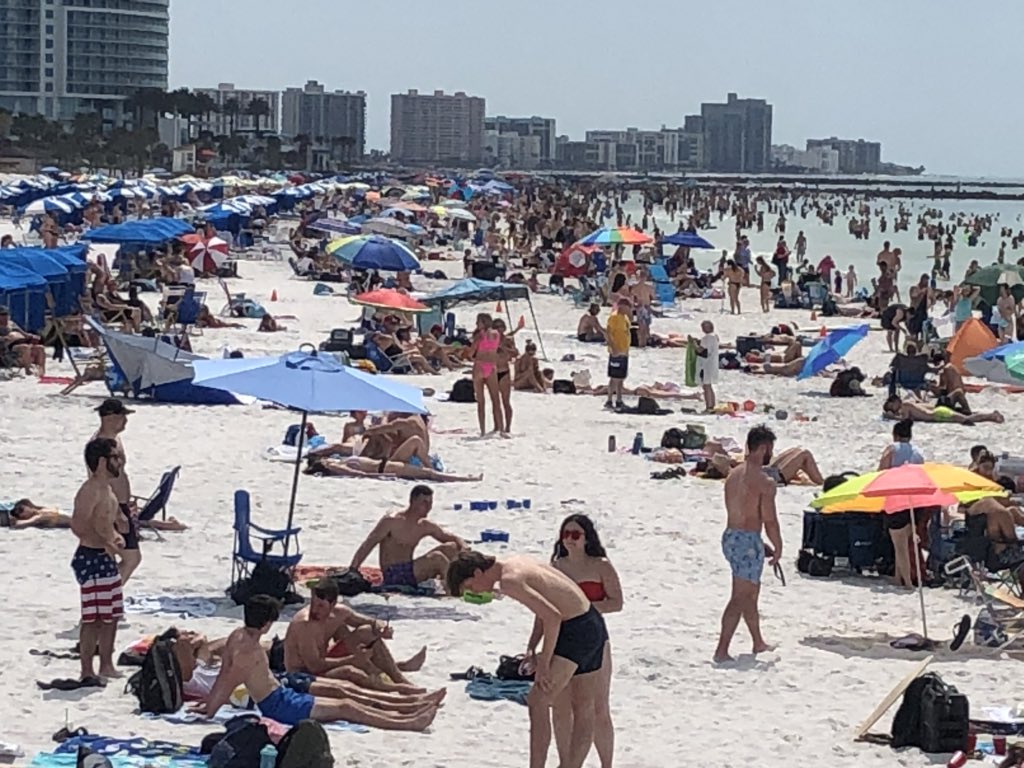
The tourism industry in Pinellas County is on the mend after the devastating impacts of Hurricanes Helene and Milton in 2024. Local business owners and employees are eager to welcome back snowbirds and vacationers. The effects on tourism trends will become clearer in the coming months and years, particularly during the peak season.
Sean Green, a 32-year-old former manager at The Toasted Monkey, now manages at Buoy’s Waterfront Bar and Grill next door, sharing his experience of the aftermath. “It’s such a gray spot in my memory,” he told WUSF, recalling the weeks of cleanup after the hurricanes. He is among the 2 million Florida workers reliant on the $120 billion tourism sector, now watching how these storms might influence visitor numbers.
The focus is on quick recovery – repairing damages and reopening businesses. However, there’s an underlying concern that ongoing hurricane threats, possibly worsened by climate change, might deter tourists from visiting beaches, hotels, and eateries in the storm’s wake.
Hurricane Helene and Milton Details
Hurricane Helene, a Category 4 storm, struck Perry, Florida, on September 26, affecting Pinellas County with 70 mph winds and 4 to 7 feet of storm surge, resulting in 12 fatalities. Two weeks later, Hurricane Milton followed with wind gusts up to 101 mph. Together, they damaged 40,910 homes and 892 businesses in the county.
David Kelly from the University of Miami notes that while hurricanes might not increase in frequency, their intensity could, posing greater risks in densely populated coastal regions. “Until they get it cleaned up, the tourists can’t come back,” he remarked, highlighting the urgency of rebuilding for economic recovery.
Tourism in Pinellas County
Pinellas County’s tourism sector is vital, supporting one in ten jobs and generating significant revenue. In 2023, it welcomed 16 million visitors with a tourism tax of $98 million and a total economic impact of $10.8 billion. However, the storms’ long-term effects are still unfolding, with initiatives like Visit Florida’s three-phase recovery plan aimed at drawing tourists back.
Visit St. Pete-Clearwater launched the “Still Shining” campaign to showcase reopened attractions. Jason Latimer, the PR director, stressed that despite the damage, much of the county remains vibrant and ready for tourists. Efforts include billboards promoting local businesses and highlighting that most beaches are operational.
Local Business Recovery
Maria Watson from the University of Florida discusses the vulnerability of small businesses post-hurricane. Her research indicates that quick reopening can be beneficial, but sometimes, waiting might conserve resources for the high season. She emphasizes the importance of preparedness for future storms to ensure sustainability.
In St. Pete Beach, Heidi Butler of The Helm Provisions and Coastal Fare faces challenges after Helene flooded her restaurant. She’s unsure when she can reopen but is optimistic for a year-end recovery. Similarly, Mike Hook at DoubleTree Beach Resort Tampa Bay is rebuilding, aiming to restore normalcy for both guests and staff.
Dylan Hubbard at Hubbard’s Marina in Madeira Beach managed to reopen amidst significant damage, prioritizing staff employment over profits. In Tarpon Springs, businesses like Spongeorama Sponge Factory are also on the mend, with owner Xanthi Zembillas reporting a sharp decline in visitors but hopeful for a recovery with the upcoming high season.
Casey Smith of Gifted Tarpon Springs also faced setbacks but managed to reopen, focusing on serving the local community before tourists return in spring.
Overall, the resilience of Pinellas County’s tourism industry is evident as businesses and communities work tirelessly to recover and thrive, encouraging visitors to see for themselves the progress made since the hurricanes.
Follow the St. Pete-Clearwater Sun on Facebook, Instagram, Threads, Google, & X
(Image credit: WFTS)
PIE-Sun.com: local St. Pete-Clearwater news

 St. Pete-Clearwater Sun
Leave a comment