
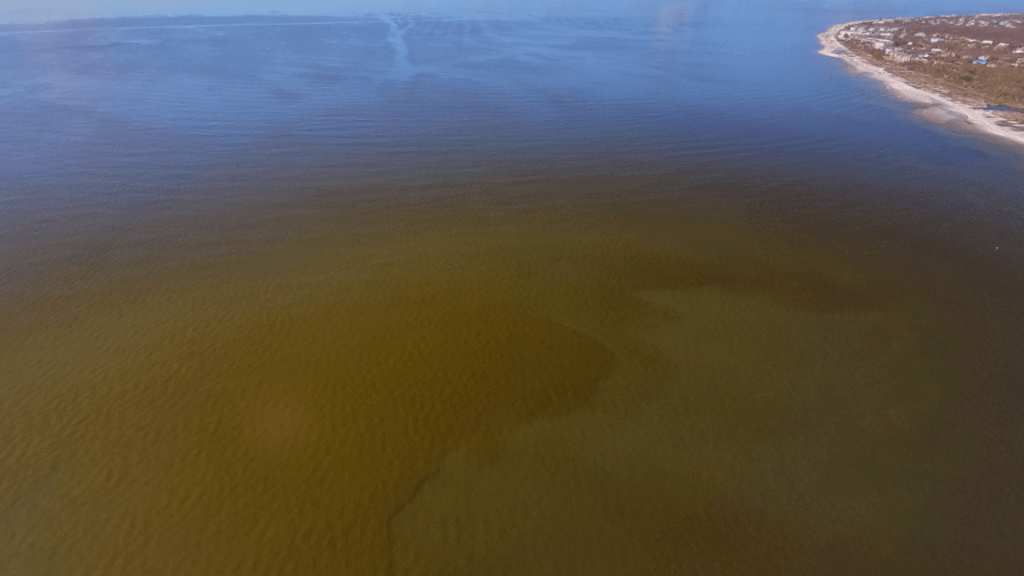
A recent study from Mote Marine Laboratory in Sarasota has uncovered a possible connection between red tide algal blooms and the long-term acidification of Florida’s estuaries.
Florida’s coastal residents are all too familiar with the immediate impacts of red tide, which include skin, eye, and throat irritation for humans, as well as massive marine life mortality. However, the problems extend beyond these immediate effects.
Ocean acidification typically results from the absorption of atmospheric carbon dioxide into seawater, where it forms carbonic acid and decreases the water’s pH. This is commonly linked to the burning of fossil fuels.
Yet, according to lead researcher Emily Hall, red tide blooms can also trigger localized biological acidification events.
“During these blooms, there’s an increase in respiration. Just like humans, phytoplankton inhale CO2 and exhale oxygen. But when these blooms die off, microbial communities consume the dead algae, releasing CO2 back into the water, which leads to acidification,” Hall explained.
This process can degrade water quality long after the visible effects of red tide have dissipated, affecting marine ecosystems.
Hall highlighted the particular threat to Florida’s coral reefs, noting, “Increased acidity can dissolve coral skeletons, hampering the growth of new corals. This issue also extends to other marine species like oysters, scallops, and clams.”
The research underscores the need for further studies to understand these acidification events comprehensively. “Our goal is to monitor what happens before, during, and after these blooms, considering not just the causes but also factors like increased heat and exacerbated acidification,” Hall said.
While red tide seems here to stay, Hall emphasizes practical steps individuals can take to mitigate carbon dioxide absorption into the waters. “Simple actions like planting native, Florida-friendly vegetation in your yard can reduce the need for pesticides and fertilizers, helping to keep our bays and estuaries cleaner. Local actions can significantly contribute to solving a global challenge,” she concluded.
Follow the St. Pete-Clearwater Sun on Facebook, Instagram, Threads, Google, & X
(Image credit: WINK News)


 St. Pete-Clearwater Sun
Leave a comment