
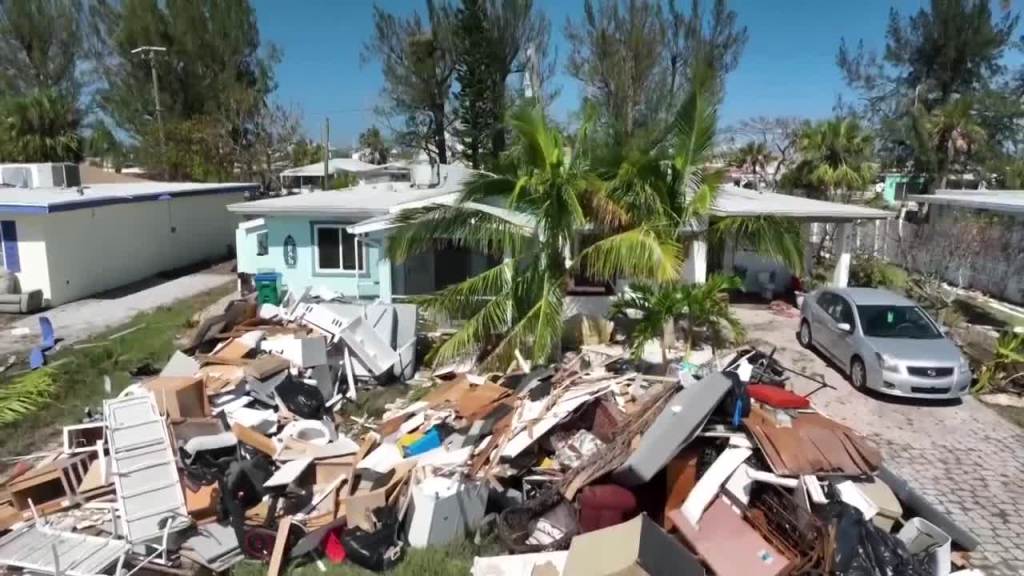
Signs are already on the horizon and pointing to an unsettling reality. As unpleasant as it may be to think about, Tampa Bay residents are indeed facing the prospect of higher auto and homeowners insurance rates in 2025 due to the impacts of Hurricanes Helene and Milton. Here’s a detailed breakdown of why auto insurance and homeowner insurance rates will rise this year.
Auto Insurance
- Premiums already rising. Even before the 2024 hurricane season, car insurance rates in Florida were on an upward trajectory. With the damage caused by Hurricanes Helene and Milton, these rates are expected to increase further. The storms have led to significant property damage, which indirectly affects auto insurance due to the comprehensive coverage often required for such events like flooding and wind damage to vehicles.
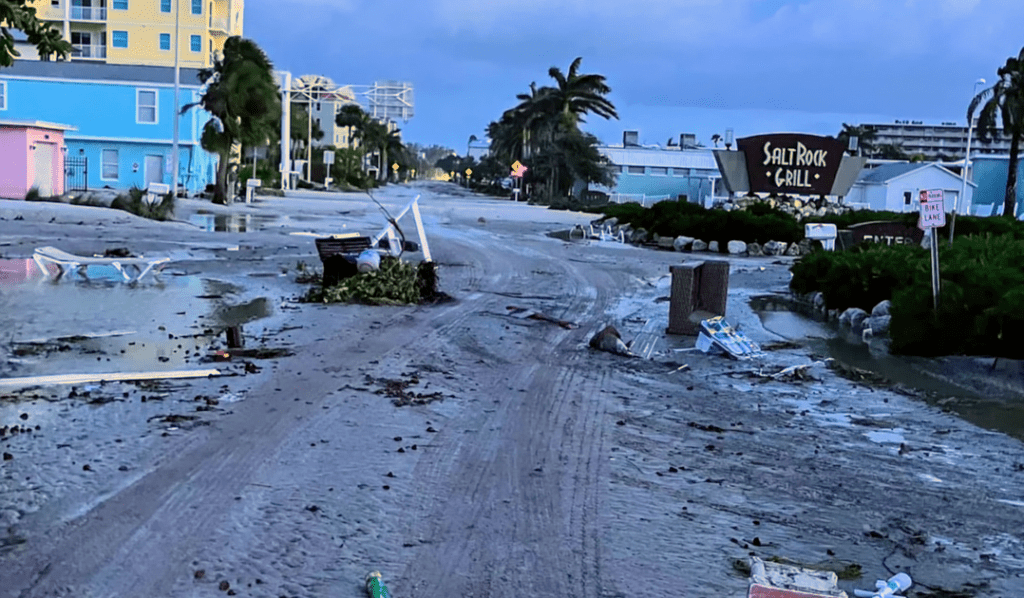
- Impact of hurricanes. The storms have left behind a trail of debris, which not only adds to the immediate repair costs but also increases the risk of accidents, thus potentially driving up insurance claims. Analysts predict that the aftermath of Helene and Milton could lead to higher premiums as insurers adjust for the increased risk and claims payout.
- Rating factors. Insurance rates also consider factors like occupation, gender, and marital status, where adjustments might be made based on the increased risk profile post-hurricanes. For instance, construction workers might face higher rates due to perceived higher risk, and there’s a noted trend where listing a female before a male on a policy could lower the premium due to actuarial data suggesting lower risk for female drivers.
Homeowners Insurance
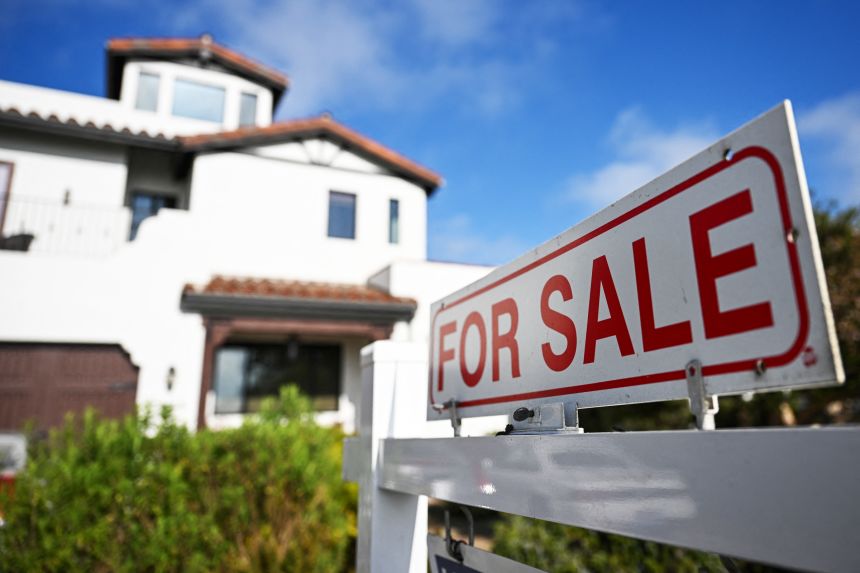
- Significant insured losses. Hurricane Milton alone is projected to cause insured losses ranging from $60 billion to $100 billion, placing significant pressure on the insurance market. This scale of damage could lead to sharp increases in homeowners insurance rates as insurers recoup losses and adjust for future risk.
- Market instability. Florida’s homeowners insurance market was already considered troubled, with high costs and insurers pulling out or going bankrupt. The additional burden from these hurricanes could further destabilize the market, pushing rates even higher. The state-run insurer, Citizens Property Insurance, has been highlighted as being at risk of insolvency if hit by another catastrophic storm season, which would naturally lead to higher premiums or additional assessments on policyholders.
- Flood insurance. The scarcity of flood insurance in Florida, with only about one-third of homes in flood zones covered, has been brought into sharp focus. With Helene and Milton causing significant flooding, there’s a push for more residents to get flood insurance, which would undoubtedly increase the overall insurance burden for homeowners.
- Building code and resilience. There’s a silver lining where newer constructions with updated building codes, particularly those with hurricane-resistant features, fared better during Milton, suggesting that investments in resilience could mitigate some rate increases over time. However, the immediate aftermath will likely see rates rise due to the overwhelming damage and claims.
Unfortunately, Tampa Bay residents should brace for an increase in both auto and homeowners insurance rates in 2025. This is a direct consequence of the financial impact of Hurricanes Helene and Milton, exacerbated by Florida’s already high-risk insurance environment.
Policyholders might look into adjusting their coverage, seeking discounts, or even considering policy changes like altering the order of names on policies to possibly reduce costs, though the broader market trend points towards higher premiums.
Follow the St. Pete-Clearwater Sun on Facebook, Instagram, Threads, Google, & X
(Image credit: WPTV)

 St. Pete-Clearwater Sun
Leave a comment