
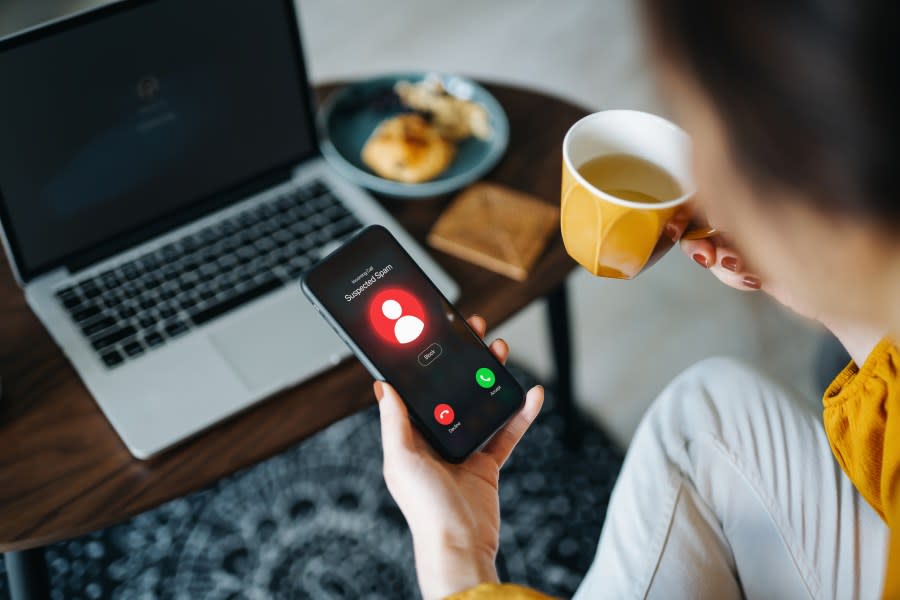
Robocalls aren’t just an annoyance; they’re costing Americans billions every year through fraud and more.
Florida is at the center of this issue, with St. Petersburg standing out as one of the most impacted cities in the country, according to a 2024 study by NumberBarn, a phone number management company.
Florida’s Robocall Problem
In 2024, St. Petersburg recorded 6,708 robocall complaints, translating to 700 complaints per 100,000 residents. This is second only to Tucson, Arizona. Jacksonville also made the list with 641 complaints per 100,000 residents, showing how significantly Floridians are affected by this issue.
Statewide, Florida continues to struggle. Robocalls cost U.S. residents almost $700 million in 2024, not including text-based scams, which are also increasing.
Impact on St. Petersburg Residents
For residents of St. Petersburg, these calls are more than just bothersome. With a median loss of $1,500 per victim, robocall scams pose a major financial threat. Older adults are especially vulnerable, with those over 60 facing median losses of $2,000 per incident.
The holiday season worsens the problem, with scammers taking advantage of increased spending and charitable donations. Florida remains a prime target during this time, as consumer behavior offers more opportunities for fraudsters.
Why Florida?
Several factors make Florida a robocall hotspot:
- High senior population: Scammers often target older adults, who are more likely to fall for fraudulent schemes.
- Booming metropolitan areas: Cities like St. Petersburg and Jacksonville, with their dense populations, are prime grounds for scammers.
- Tourism-driven economy: Florida’s transient population and reliance on mobile communication make it an easy target for phone-based scams.
How to Protect Yourself
The increase in robocalls has led to the development of tools and techniques to protect consumers:
- Use call-blocking technology: Most carriers and apps offer features to filter out unwanted calls.
- Register on the National Do Not Call Registry: While not foolproof, this reduces the likelihood of legal telemarketing calls.
- Avoid answering unknown numbers: Let calls from unfamiliar numbers go to voicemail.
- Beware of urgency: Scammers often use pressure tactics to rush decisions. Take your time to verify claims.
- Report scams: Complaints can be filed with the Federal Trade Commission (FTC) or Federal Communications Commission (FCC).
St. Petersburg’s ranking shows how deeply robocalls have infiltrated the lives of Floridians. But the problem extends beyond the Sunshine State, with cities like Tucson, Fort Worth, and Las Vegas also on the list.
Nationwide, the FTC reported nearly $851 million in losses from phone fraud in 2023, almost double the $423 million recorded in 2020. These figures highlight the importance of vigilance and consumer education in combating this evolving threat.
As scammers adapt, so must the solutions. With advancements in call-blocking technology and increased awareness, residents in St. Petersburg and beyond can take proactive steps to protect themselves.
Florida’s cities may be among the most affected, but with the right tools and practices, the fight against robocalls is far from over. Stay vigilant, report suspicious activity, and avoid falling victim to robocall scams.
Follow the St. Pete-Clearwater Sun on Facebook, Instagram, Threads, Google, & X
(Image credit: Yahoo!)



 St. Pete-Clearwater Sun
Leave a comment