
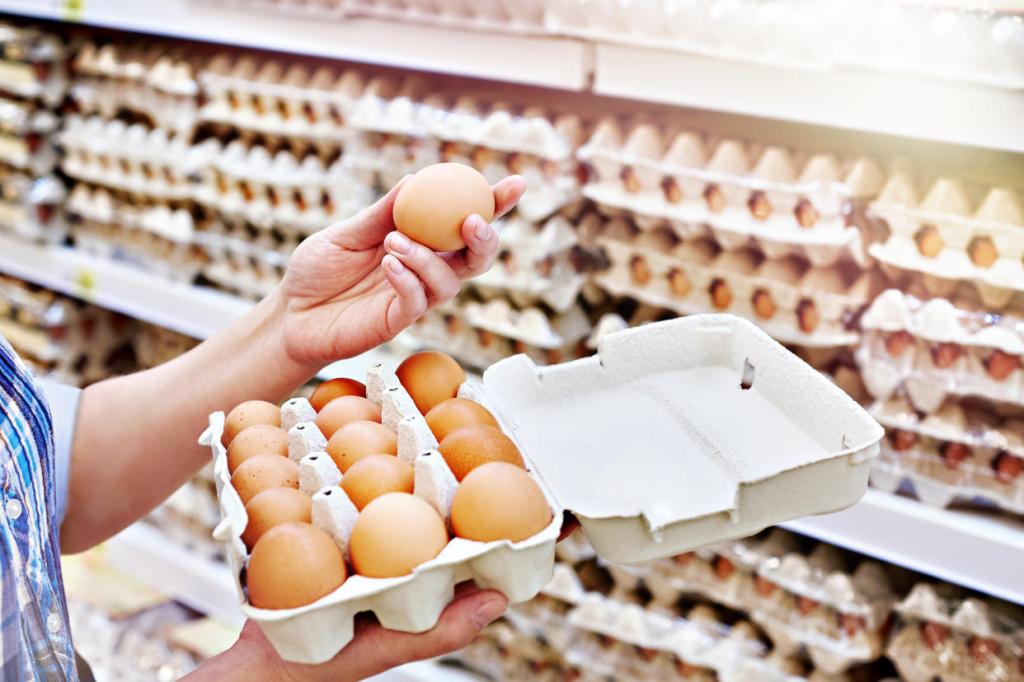
Consumers can expect to continue paying premium prices for eggs well into 2025, as ongoing Highly Pathogenic Avian Influenza (HPAI) outbreaks dramatically impact egg production and pricing.
Wells Fargo experts highlight that egg prices have remained elevated since 2023, driven by seasonal holiday demand and significant supply disruptions caused by bird flu. The market has experienced persistent pricing challenges, with costs often exceeding 2022 levels when the bird flu first severely impacted egg production. The pricing dynamics reveal complex market mechanisms:
- Wholesale egg prices surged nearly 55% in November
- Consumer egg prices rose 8.2% in the same period
- Meat, poultry, fish, and egg prices increased 1.7% overall
Dr. Michael Swanson, Wells Fargo’s Chief Agricultural Economist, explained that retailers strategically manage pricing for staple items like eggs. “Many retailers are slow to adjust prices on items that draw customers into stores,” he noted, indicating that pricing strategies extend beyond simple supply and demand.
Before the March 2022 bird flu outbreak, wholesale egg prices were under $1.50 per dozen. The initial outbreak led to record prices in December 2022, with a partial market correction in 2023 as producers rebuilt their flocks.
However, recurring bird flu outbreaks in late 2023 and early 2024 have again hindered flock restoration, maintaining market pressure and keeping egg prices high.
Consumers should anticipate continued elevated egg prices until producers can successfully rebuild and stabilize their egg-laying flocks.
Want to win a $25 Amazon gift card?
To enter, simply follow us on Facebook, Instagram, Threads, or X between now and Tuesday, December 24th. (Psst… You can enter up to 4x by following us on all four! But sorry, U.S. residents only.)

(Image credit: Getty Images)



 St. Pete-Clearwater Sun
Leave a comment