

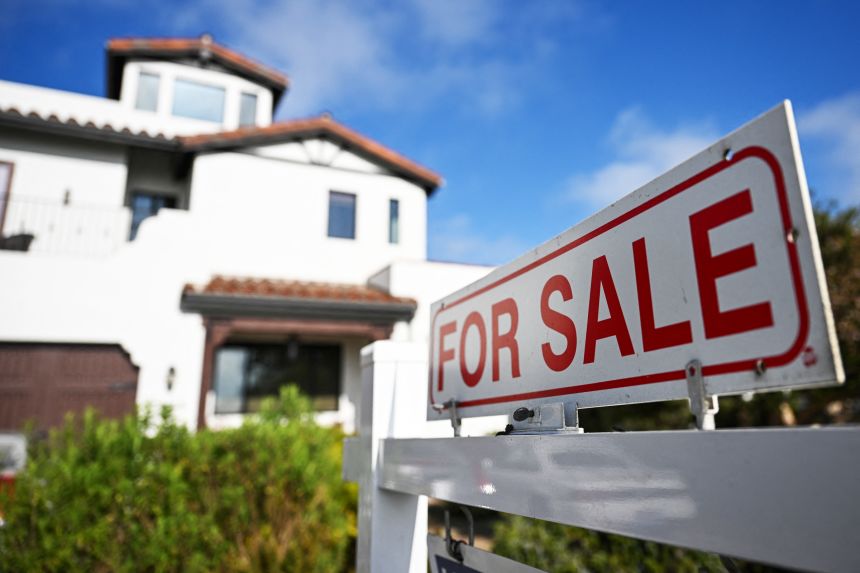
Despite some stabilization in Florida’s volatile property insurance market, homeowners and condo owners are still grappling with some of the highest insurance premiums in the country. An emerging trend sees more individuals choosing to “go bare” by opting out of traditional home insurance in favor of self-insuring, a move that experts view with significant concern.
Stephen Corey, a condo owner in St. Petersburg, made this decision after his insurance premium surged by another 30%. “This year, I decided not to buy homeowners insurance and to self-insure. The entire condo is insured by the association, but the cost for my individual unit just became too much,” Corey explained. Self-insuring involves setting aside funds that would have gone towards insurance premiums, essentially saving and earning interest to cover potential future damages.
RELATED: Florida Insurance Experts Warn of These Big Risks in Self-Insuring Homes
According to the Insurance Information Institute, the number of Florida homeowners self-insuring has risen from 7% before the pandemic to over 15%, surpassing the national average. Mark Friedlander of the Insurance Information Institute labels this shift as a “very troubling trend,” emphasizing the inherent risks in a state prone to natural disasters like Florida.
“It’s extremely risky to not have property insurance in such a high-risk area,” Friedlander notes, suggesting that while it might work for a few wealthy, near-retirement individuals without dependents, it’s not a viable option for the average homeowner. “Very few people fit that profile, and most Florida residents can’t afford to take on that risk,” he adds.
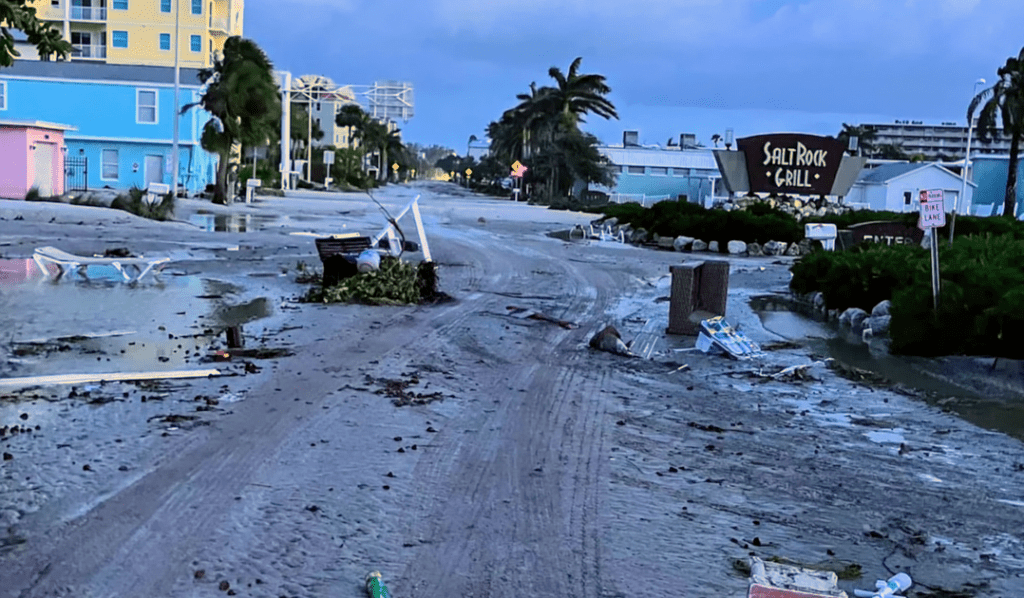
Friedlander recounts harrowing tales from homeowners post-disasters like Hurricanes Ian, Milton, and Helene, where those who self-insured found themselves financially unprepared for repairs or rebuilding. He advises that homeowners should be ready to pay out an amount up to 200% of their home’s value, a risk he deems generally not worth taking.
Self-insuring is predominantly feasible for those who own their homes outright. For those with mortgages, attempting to self-insure or cancel insurance could lead to default, forcing lenders to impose a policy that might offer less coverage at a higher cost than what could be found in the open market.
Friedlander recommends, instead of self-insuring, homeowners should engage with their agents to explore new insurance options or look into bundling policies to potentially reduce premium costs. This approach could mitigate the financial and emotional strain of dealing with a property disaster without adequate insurance coverage.
Want to win a $25 Amazon gift card?
To enter, simply follow us on Facebook, Instagram, Threads, or X between now and Tuesday, December 24th. (Psst… You can enter up to 4x by following us on all four! But sorry, U.S. residents only.)

(Image credit: Shutterstock)

 St. Pete-Clearwater Sun
Leave a comment